Prague Five
1989
No user ratings available yet
Representation score: 4.3 out of 10
Representation Score
Fair
1957
Director
František Žáček, Peter Solan
Runtime
95 minutes
Average Rating
No ratings yetNew Showbiz Analysis
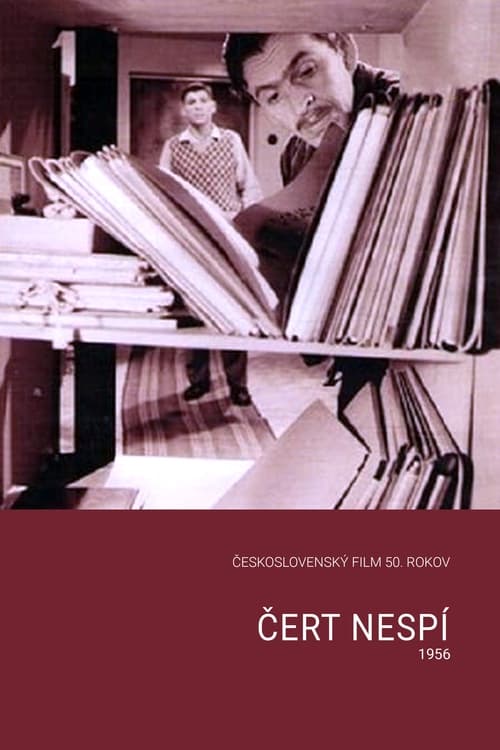
The Devil Does Not Sleep is a mid-century Czechoslovakian satire that prioritizes systemic critique over demographic variety. Its value lies in its structural deconstruction of social norms rather than the inclusion of diverse identities. The film uses an episodic format to expose institutional inefficiencies. While it lacks representation for LGBTQ+ and racial diversity, it offers a sophisticated meta-commentary on authority through its framing device. Ultimately, the work functions as a social critique of class and power, making it a culturally significant piece of satire despite its limited identity-based representation.
Category Breakdown
The film does not include any explicit LGBTQ+ characters or narratives. The focus is on class and institutional behavior rather than non-straight relationships.
The satirical shorts critique societal shortcomings, but there is no evidence of women challenging domestic or professional hierarchies. The representation remains neutral.
As a 1957 Czechoslovakian production, the film reflects the demographic homogeneity of its era. It lacks diverse racial representation or race-bent casting.
The film excels in cultural commentary through its meta-narrative structure. A committee judges the characters, providing a sharp critique of institutional authority and social conformity.
There is no discernible evidence regarding the portrayal of physical or neurodivergent characters within the available narrative descriptions.
Present on Screen
Limited or Absent
Official Synopsis
Episodic film consisting of three satirical shorts ('Smutný káder', 'Typický prípad' and 'Vel'korysá kampaň') comically exposing the shortcomings of society. In the interval between each short, a committee recognising themselves in the characters on screen, voice their approval or disapproval of each film.
1989
1967
1952
1963
1997

1966

1975
2003
No reviews yet. Be the first to share your thoughts on this movie!
Use the rating form above to leave a star rating and optional review.