Caligula: The Untold Story
1982
No user ratings available yet
Representation score: 1.9 out of 10
Representation Score
Limited
1939
ApprovedDirector
Rowland V. Lee
Runtime
92 minutes
Average Rating
No ratings yetNew Showbiz Analysis
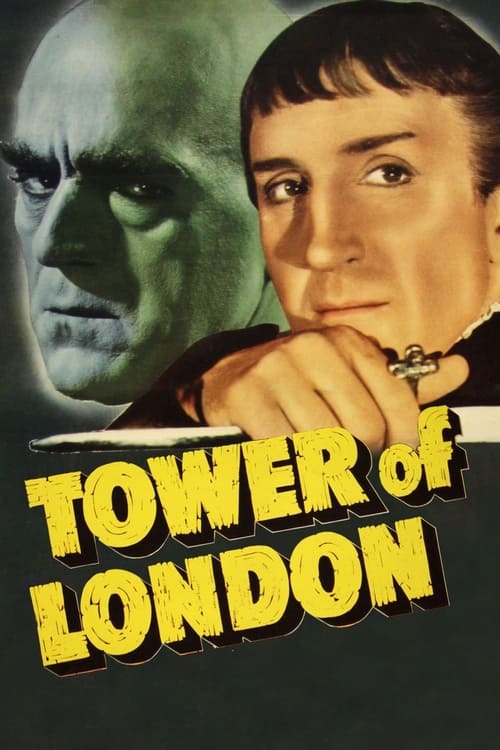
Tower of London is a quintessential 1939 historical tragedy that reinforces traditional social, racial, and gender hierarchies. The film centers on the corrupting nature of individual power and the male aristocracy's political maneuvers. While it offers a dramatic exploration of these themes, the representation remains strictly conventional. It adheres to the industry standards of its era, presenting a homogeneous view of English history without multi-layered complexity. Ultimately, the film lacks systemic deconstruction, focusing instead on individual character flaws and the preservation of established monarchical authority.
Category Breakdown
The film focuses solely on heterosexual family succession and male political strategies. It does not depict any non-cisgender identities or same-sex relationships.
Women in the film are confined to domestic or emotional roles, serving as supporting figures. They lack opportunities to exercise significant influence within the patriarchal system.
The cast is primarily white and Anglo-Saxon, mirroring 1930s historical epics. The film portrays a homogeneous social hierarchy without any non-white characters or racial diversity.
The story operates as a classic tragedy emphasizing the importance of traditional institutions. Religious and monarchical authority play crucial roles in the setting.
The character Mord, the executioner, is shown to have a club foot. This physical disability is used as a character archetype without a nuanced portrayal of his complexity.
Present on Screen
Limited or Absent
Official Synopsis
In the 15th century, Richard, Duke of Gloucester, aided by his club-footed executioner Mord, eliminates those ahead of him in succession to the throne, then occupied by his brother, King Edward IV of England.
1982
1948
1962
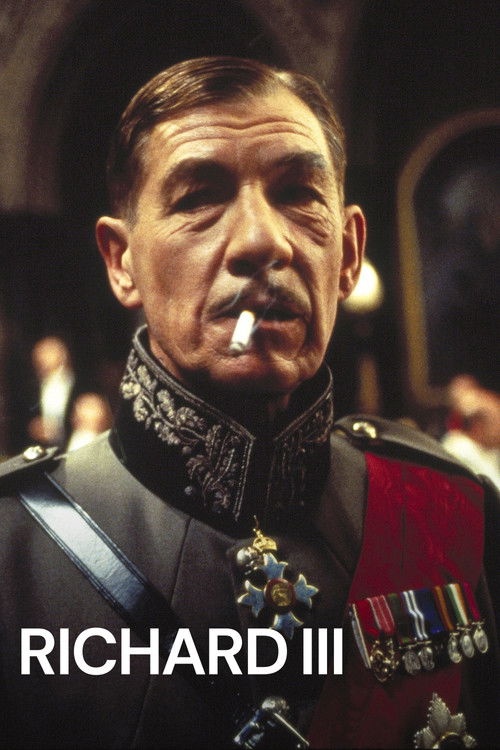
1995
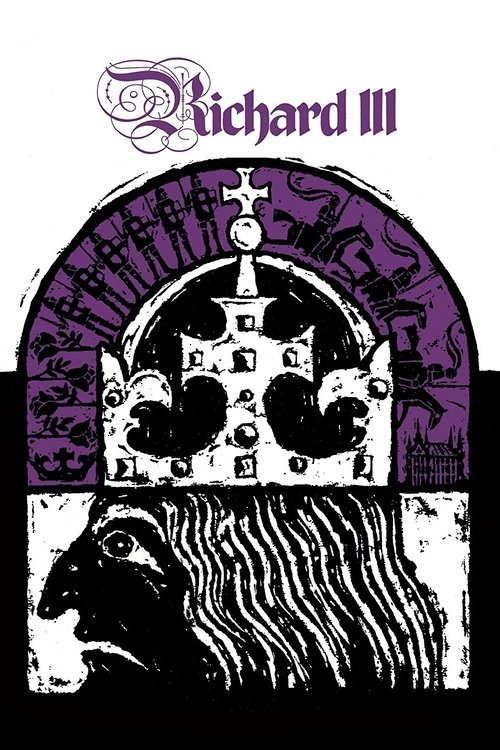
1955
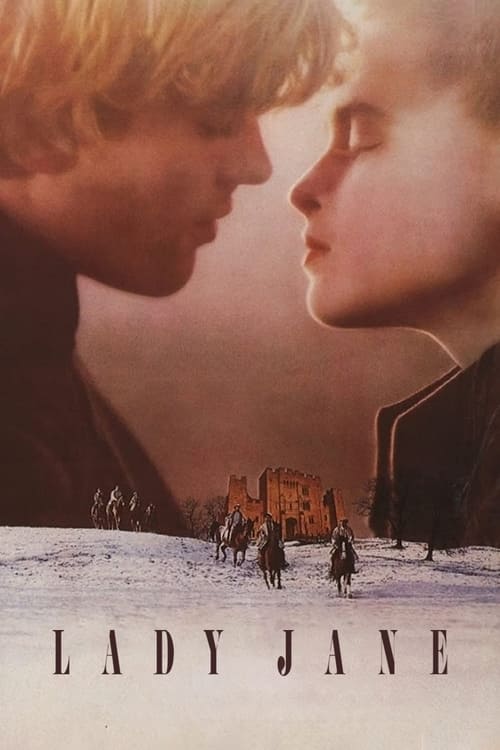
1986
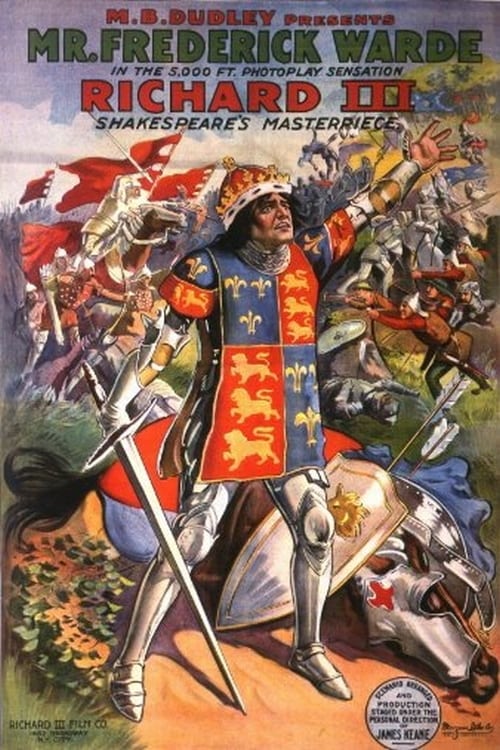
1912
1953
No reviews yet. Be the first to share your thoughts on this movie!
Use the rating form above to leave a star rating and optional review.