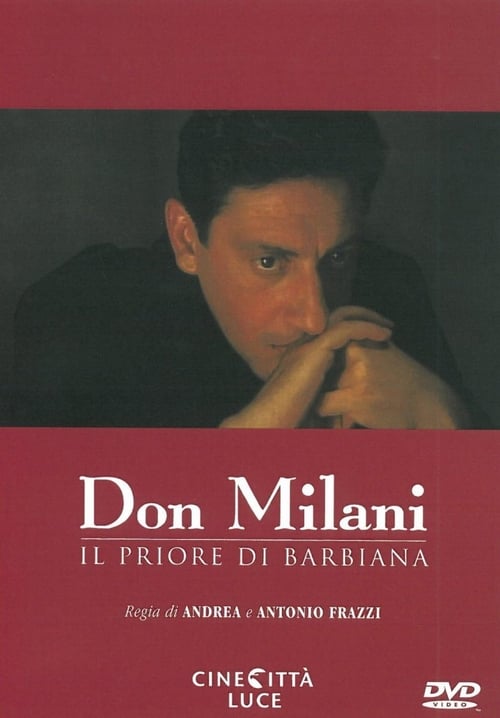
Don Milani - Il priore di Barbiana
1997
No user ratings available yet
Representation score: 5.7 out of 10
Representation Score
Fair
2019
Director
Andrei Konchalovsky
Runtime
134 minutes
Average Rating
No ratings yetNew Showbiz Analysis
The film subverts the traditional 'great man' biopic by focusing on the tension between individual ability to act and institutional power. Instead of a hagiography, it presents a gritty study of a man worn down by his own genius and the corrupt systems around him. While the film's demographic makeup is limited by its historical setting, it excels in its narrative deconstruction of authority. It replaces the myth of effortless talent with a realistic portrayal of systemic pressure and moral complexity.
Category Breakdown
The film doesn't show explicit representations of queer identities or same-sex romance. Instead, it highlights intense emotional bonds and intimacy within the creative process.
The story focuses on masculine spheres of Renaissance politics and theology. Women appear in supporting roles, while male authority figures are shown as unstable and corrupt.
Set in 16th-century Italy, the film reflects the homogeneous demographics of the time. The cast is primarily Eurocentric, lacking diverse representation beyond the historical context.
The film offers a sophisticated critique of the Catholic Church and nobility. It portrays these institutions as volatile and ego-driven forces that pressure the protagonist's integrity.
The film doesn't center on physical disabilities. However, it provides a nuanced look at the psychological exhaustion and isolation caused by obsessive labor.
Present on Screen
Limited or Absent
Official Synopsis
The life of Michelangelo Buonarroti.
1997
1994
2019
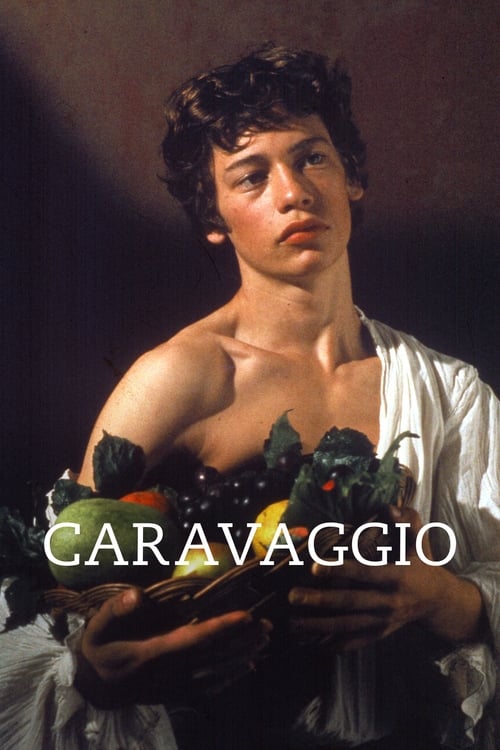
1986
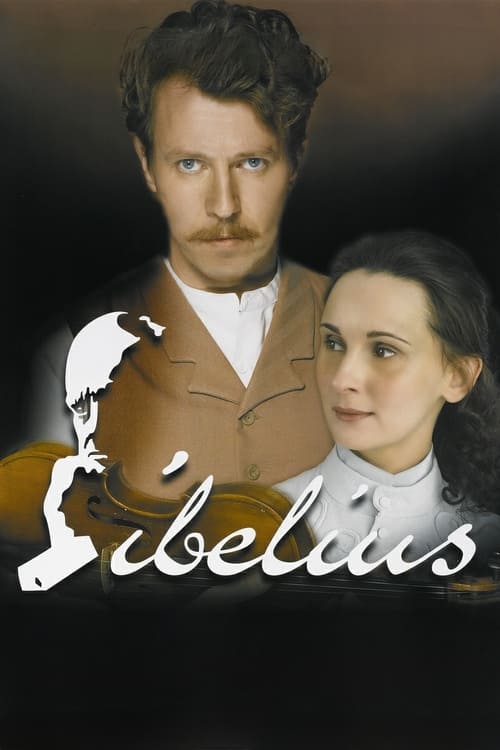
2003
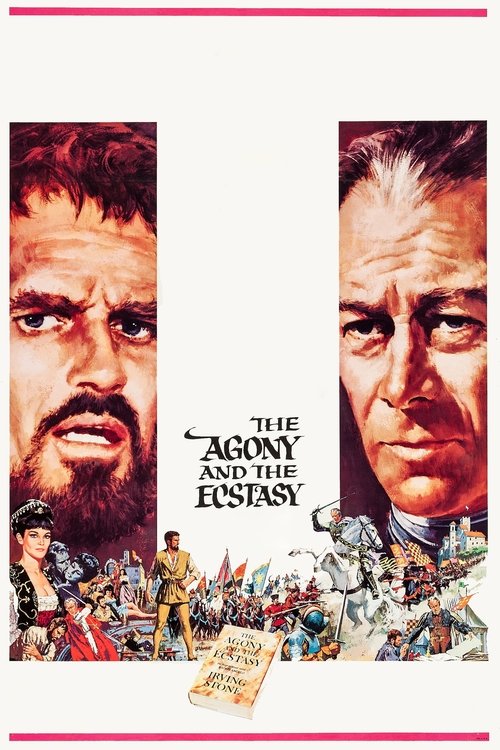
1965
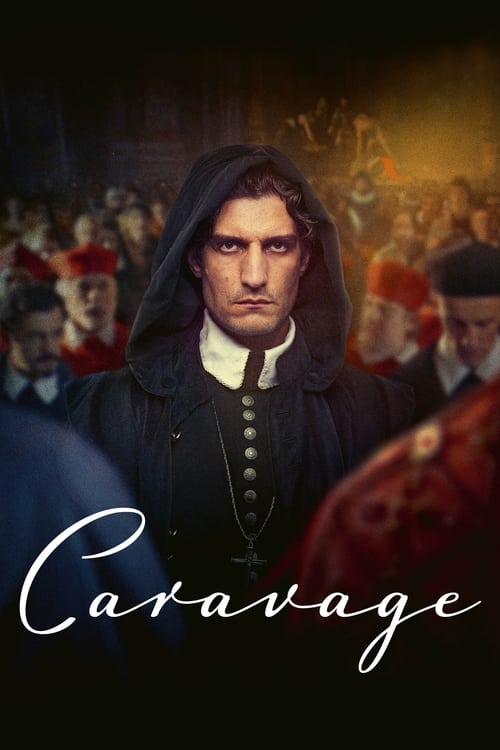
2022

2014
No reviews yet. Be the first to share your thoughts on this movie!
Use the rating form above to leave a star rating and optional review.