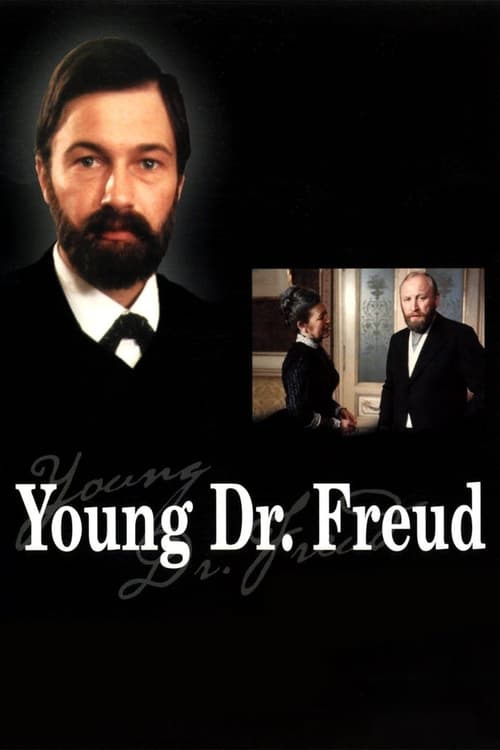
Young Dr. Freud
1976
No user ratings available yet
Representation score: 3.3 out of 10
Representation Score
Good
2017
Director
Robert Mullan
Runtime
106 minutes
Average Rating
No ratings yetNew Showbiz Analysis
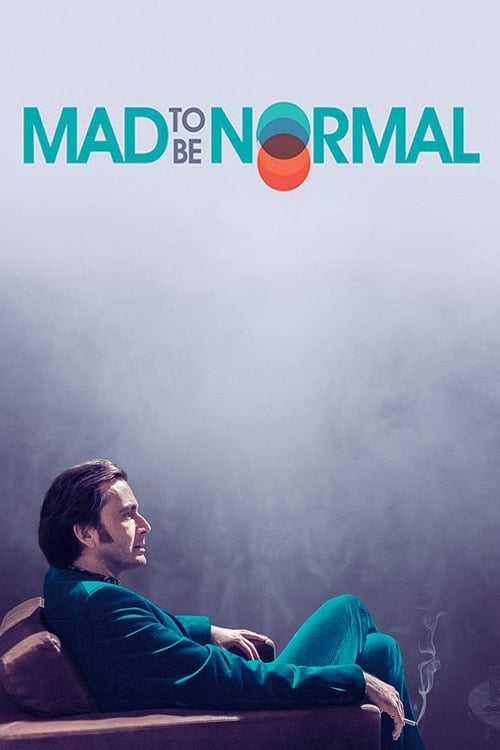
Mad to Be Normal offers a compelling look at unconventional social structures through the lens of R.D. Laing’s psychiatric community. Its primary strength lies in its nuanced approach to mental health, treating neurodivergence as a valid way of being rather than a spectacle. The film successfully deconstructs established institutional hierarchies and challenges traditional definitions of sanity within the medical establishment. This provides a strong foundation for progressive, character-driven storytelling. However, the film lacks explicit detail regarding racial and LGBTQ+ representation. While the 1960s setting suggests potential for diversity, the narrative's specific focus on these identities is not clearly established.
Category Breakdown
The film examines non-traditional social dynamics from the 1960s but does not explicitly confirm any specific LGBTQ+ identities or narratives involving same-sex relationships.
The narrative likely challenges the traditional gender roles of the time, but specific shifts in power among characters remain unconfirmed.
Set in 1960s East London, the film exists within a changing demographic environment. However, there is no explicit evidence showing the depth or control of characters from diverse racial backgrounds.
The story questions Western medical institutions and traditional views of sanity. It portrays Kingsley Hall as an alternative community that challenges institutional control.
The film focuses on the experiences of those labeled as mentally ill. It emphasizes the ability to act of neurodivergent individuals, presenting them as more than just plot devices.
Present on Screen
Limited or Absent
Official Synopsis
The story of Scottish psychiatrist RD Laing and his unique community at Kingsley Hall, East London in the 1960s.
1976

2016
1972
1970
2023
2017
2010
2010
No reviews yet. Be the first to share your thoughts on this movie!
Use the rating form above to leave a star rating and optional review.