
Through Fire, Water and... Brass Pipes
1968
No user ratings available yet
Diversity score: 3.9 out of 10
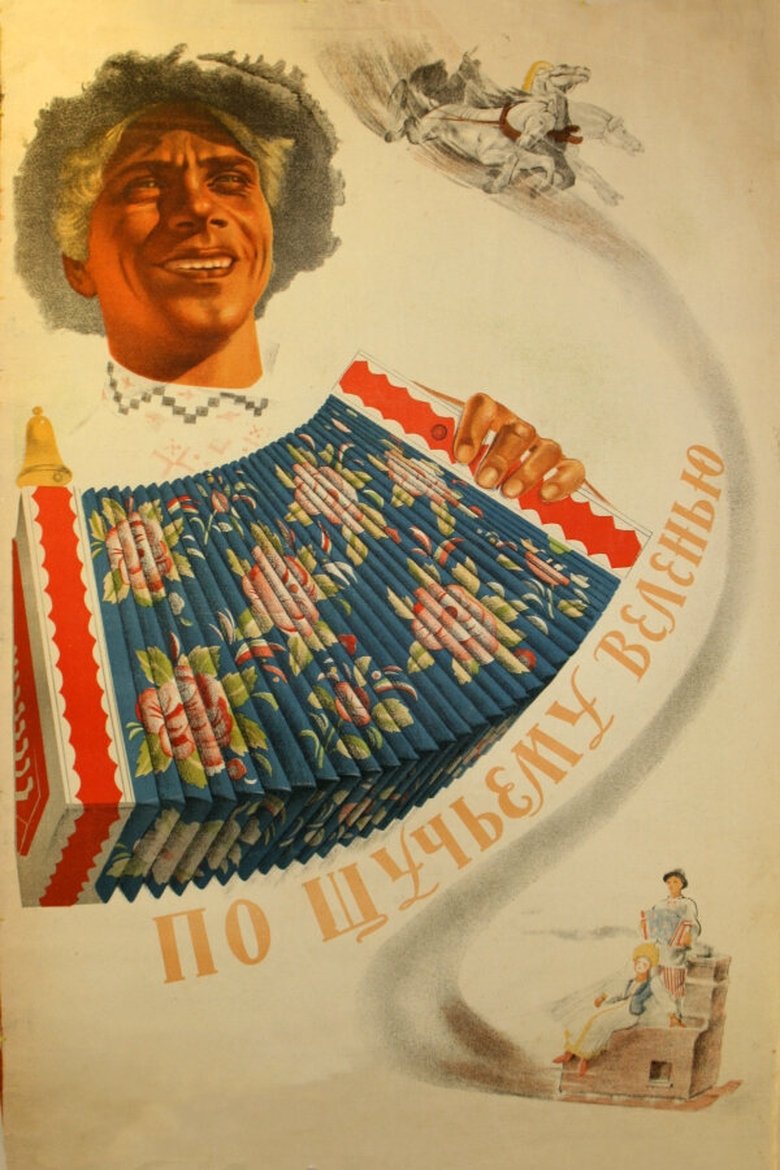
1938
Director
Aleksandr Rou
Runtime
57 minutes
Average Rating
No ratings yetSynopsis
Adapted from four different Russian folk-tales, this early Soviet fantasy film tells the story of Emelya the Fool, who, fishing one day, catches a talking pike who pleads for his life and in return grants Emelya wishes for a life spared.
Overall Score
Fair
Category Breakdown
LGBTQ+ Representation
The film adheres to traditional folk-tale structures of the era. There is no evidence of non-heteronormative identities or queer narratives within the story.
Gender Representation
The narrative often involves subverting domestic hierarchies through magical intervention. However, the specific level of agency granted to female characters remains unverified.
Racial & Ethnic Diversity
Casting likely reflects a homogeneous ethnic profile consistent with Russian folklore. The film does not use diverse ethnic casting as a narrative device.
Religious & Cultural Diversity
The film uses magical realism to prioritize the success of the common man. It presents a narrative that disrupts traditional authority and social stability.
Disability Representation
There is no documented evidence regarding the portrayal of physical or neurodivergent disabilities in this production.
Strengths
Areas for Improvement
AI Analysis
Wish upon a Pike serves as a vehicle for cultural storytelling, utilizing Soviet-era folklore to critique social hierarchies. By centering on Emelya the Fool, the film disrupts meritocratic expectations, favoring systemic luck and magical subversion over traditional industriousness. While the film lacks modern intersectional markers like LGBTQ+ representation or diverse ethnic casting, it offers a meaningful deconstruction of social stratification. It prioritizes the triumph of the common person against established institutional authority. Ultimately, the film's strength lies in its cultural architecture rather than modern diversity metrics, focusing on the subversion of rigid social structures through the lens of folk tradition.
1968
1953
1973

1960
1942
1982
1977
1968
1975
1979

1998
1954
No reviews yet. Be the first to share your thoughts on this movie!
Use the rating form above to leave a star rating and optional review.