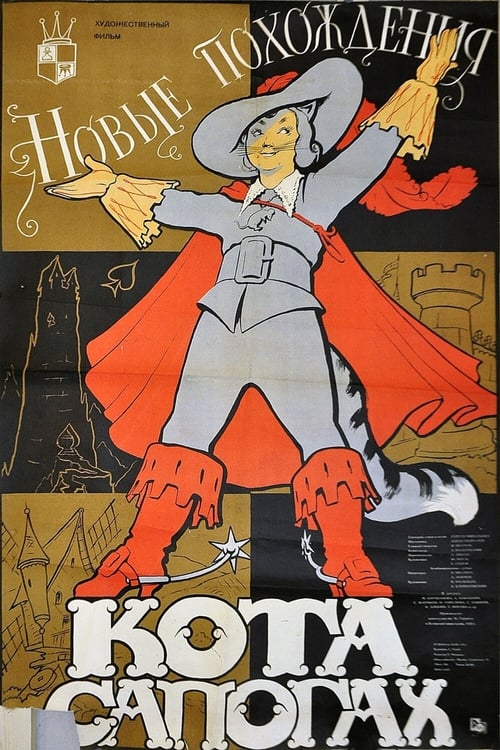
New Adventures of Puss in Boots
1958
No user ratings available yet
Representation score: 1.5 out of 10
Representation Score
Limited
1973
Director
Aleksandr Rou
Runtime
74 minutes
Average Rating
No ratings yetNew Showbiz Analysis
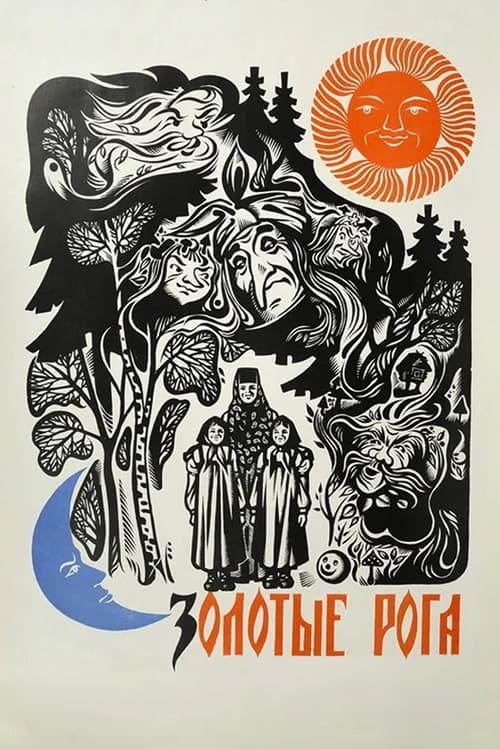
Golden Horns is a traditional folk fantasy that relies heavily on established moral archetypes. While it provides a central role for female characters, the film remains culturally and demographically homogeneous. The narrative focuses on a specific Slavic folkloric setting, limiting racial and ethnic diversity. The story's strength lies in its portrayal of female resilience and matriarchal leadership within a family structure. Ultimately, the film prioritizes traditional storytelling and regional folklore over diverse representation or modern social complexities.
Category Breakdown
The film does not include any LGBTQ+ characters or stories about non-assuming gender matches what was assigned at birth identities. It centers on a traditional family unit made up of a widow, her children, and an elderly father.
Yevdokya, a strong female character, drives the plot through her search for her daughters. The matriarchal household slightly challenges traditional patriarchal norms within classic folk archetypes.
The film portrays a culturally uniform Slavic environment. It adheres to the specific ethnic and regional settings typical of 1970s Eastern European fantasy.
The story uses a moral framework based on nature and folklore rather than organized religion. It highlights a mystical order through forest spirits and a magical deer.
The narrative does not feature any characters with physical or neurodivergent disabilities.
Present on Screen
Limited or Absent
Official Synopsis
A long time ago a splendid deer with golden antlers lived in the woods, always protecting the poor and weak and disdaining evil. In a little village nearby the woods widow Yevdokya lived with her twin daughters Mashenka and Dashenka, her son and her old father. One day the girls observe robbers hunting the deer. Shortly after they are lured into the woods by forest spirits. Infuriated about their presence, witch Baba Yaga turns them into fawns. Meanwhile, Yevdokya searches for her daughters. For protecting the deer of robbers she gets a magical ring to protect her from danger. The deer advises her to set off to the red sun or the clear moon. But both cannot reach the magic woods with their light. Finally, the boy accompanied by his cat goes in search for sisters and mother.
1958

1957
1987
1982
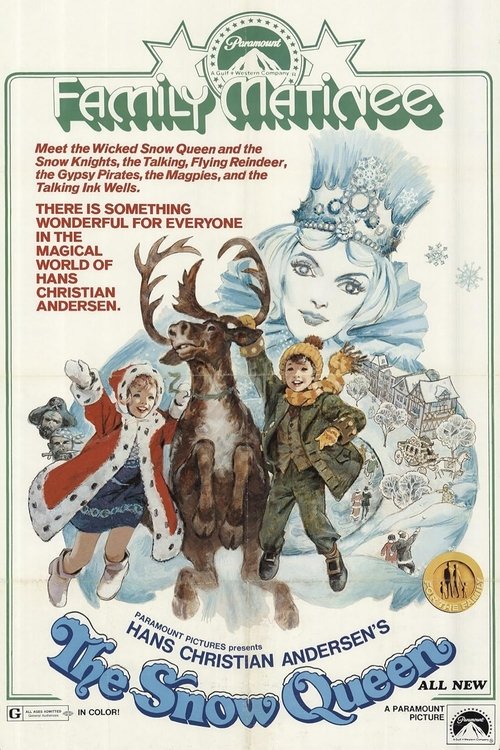
1967
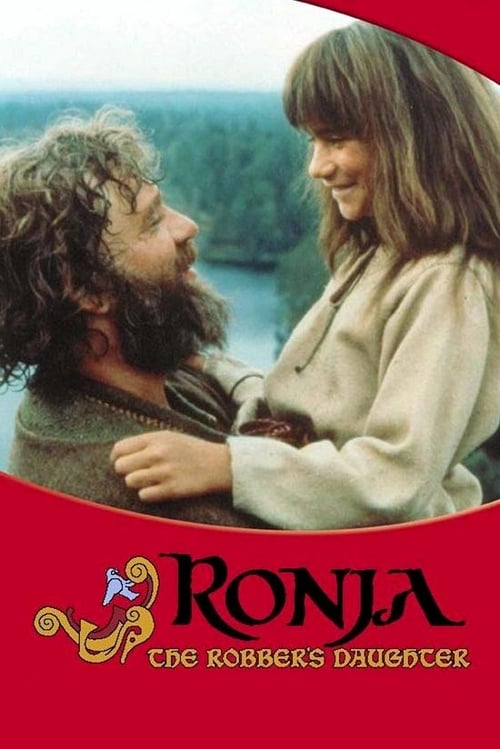
1984
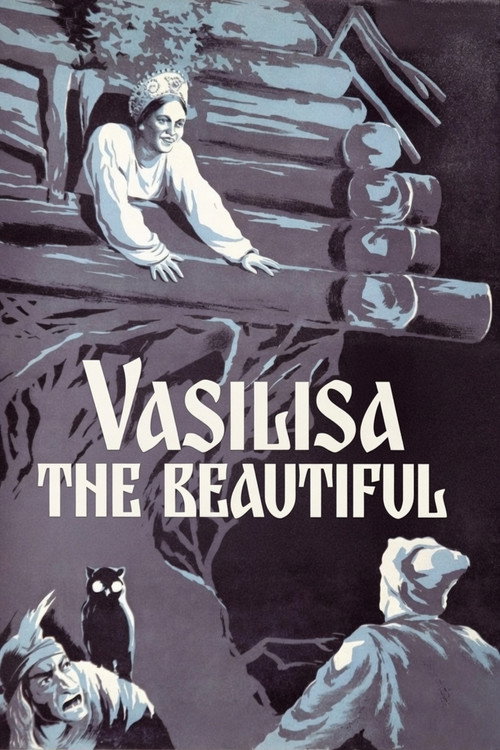
1940
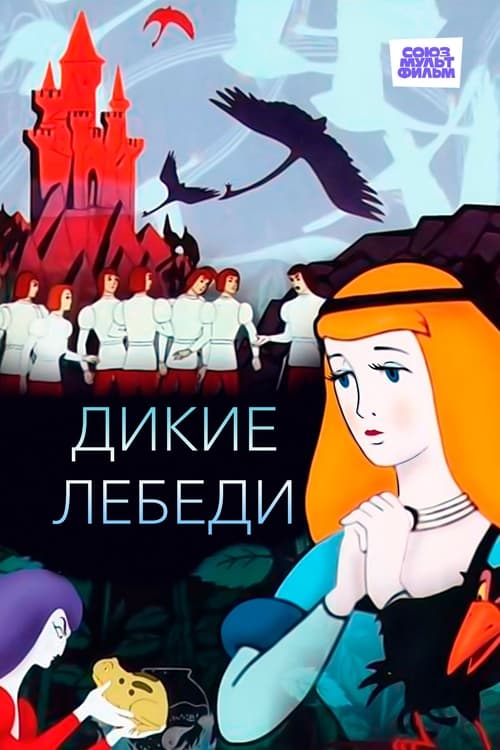
1962
No reviews yet. Be the first to share your thoughts on this movie!
Use the rating form above to leave a star rating and optional review.