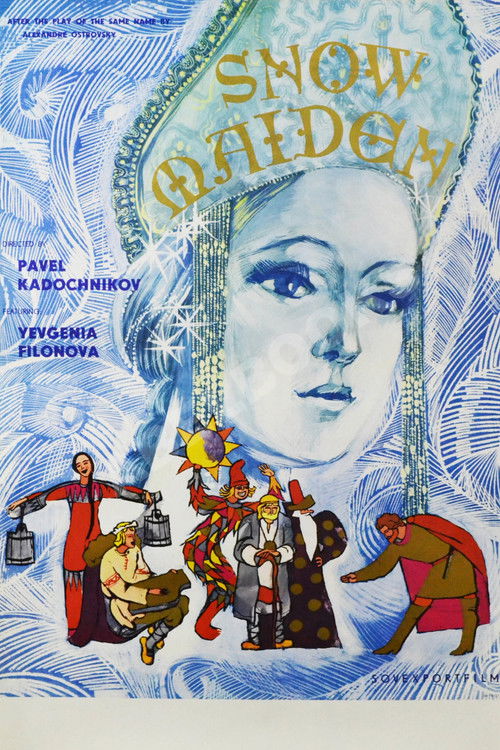
The Snow Maiden
1968
No user ratings available yet
Representation score: 1.2 out of 10
Representation Score
Limited
1975
Director
Igor Usov, Gennadi Kazansky
Runtime
71 minutes
Average Rating
No ratings yetNew Showbiz Analysis
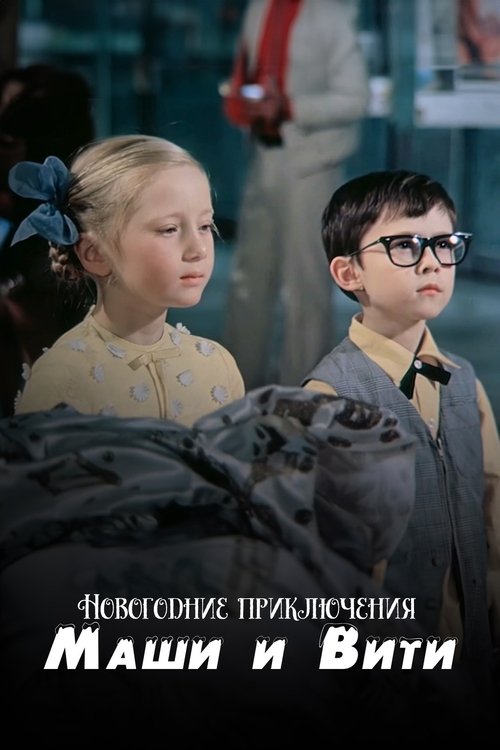
New Year Adventures of Masha and Vitya is a product of its 1975 Soviet cinematic context, emphasizing collective values and folk-centric storytelling. The film operates as a standard genre piece that prioritizes communal stability and traditional folklore over the disruption of social norms. Because the work adheres to a highly structured, traditionalist framework, it lacks perspectives driven by underrepresented communities. The narrative architecture focuses on seasonal clichés rather than identity-driven or progressive storytelling.
Category Breakdown
The film does not include any LGBTQ+ characters or non-straight relationships. It adheres to traditional seasonal folk stories that do not provide a platform for queer visibility.
The film features two main characters, Masha and Vitya, suggesting a balanced partnership. However, it relies on conventional, age-appropriate depictions of childhood without challenging traditional gender roles.
The production focuses on Slavic folklore and local cultural motifs. There is no evidence of race-bent casting or intentional blending of different backgrounds within this homogeneous aesthetic.
The narrative centers around traditional seasonal celebrations and communal harmony. It promotes stability-focused cultural values rather than any postmodern deconstruction of social norms.
There are no characters with visible or invisible disabilities in the narrative.
Present on Screen
Limited or Absent
Official Synopsis
Before a New Year evening Masha and Vitya decide to go to the forest full of fairy tales creatures.
1968
1976
1973

1968
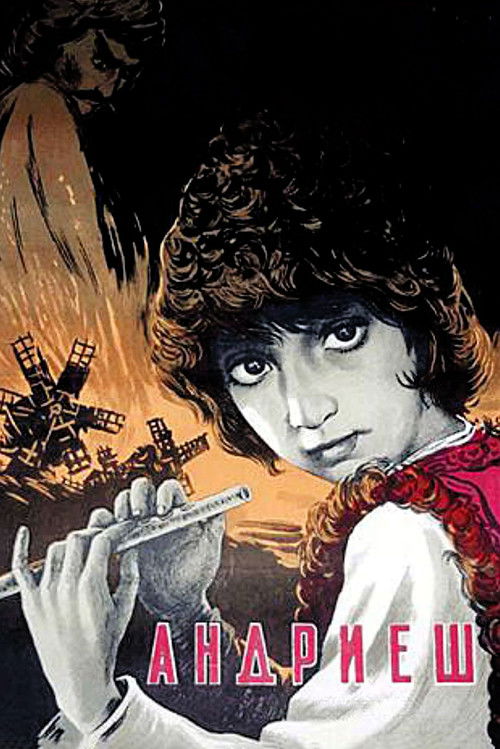
1954
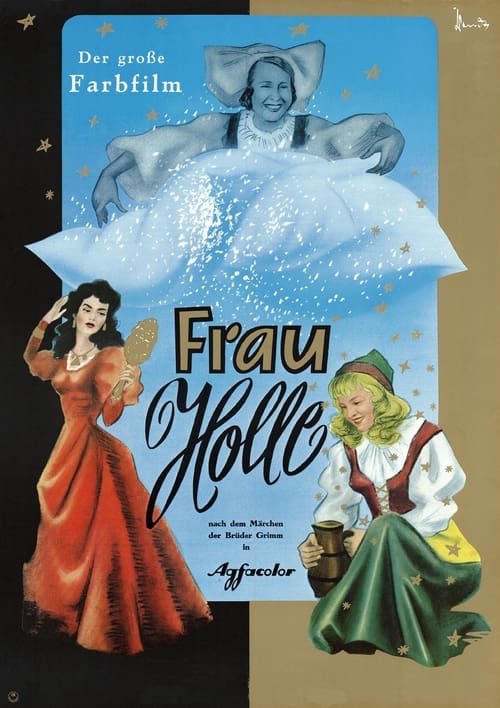
1954
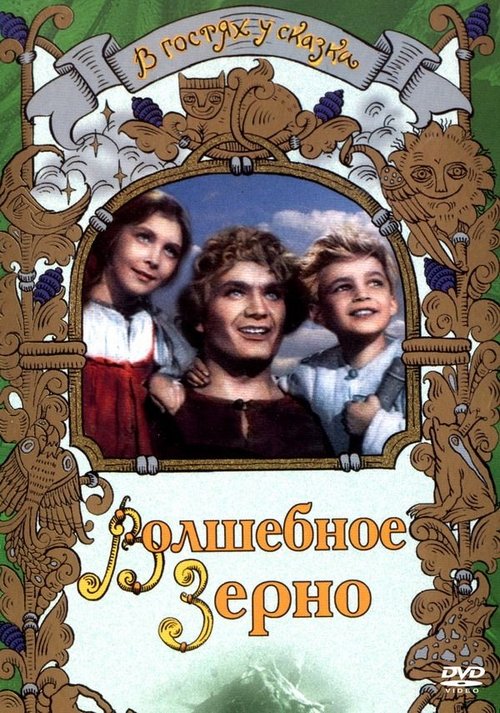
1942
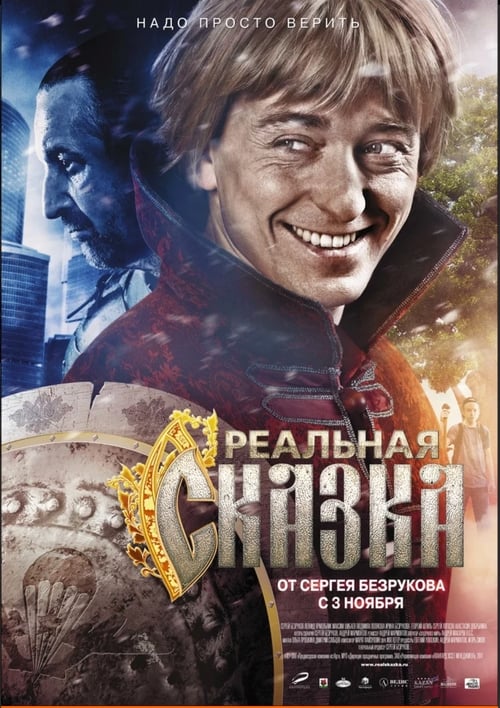
2011
No reviews yet. Be the first to share your thoughts on this movie!
Use the rating form above to leave a star rating and optional review.