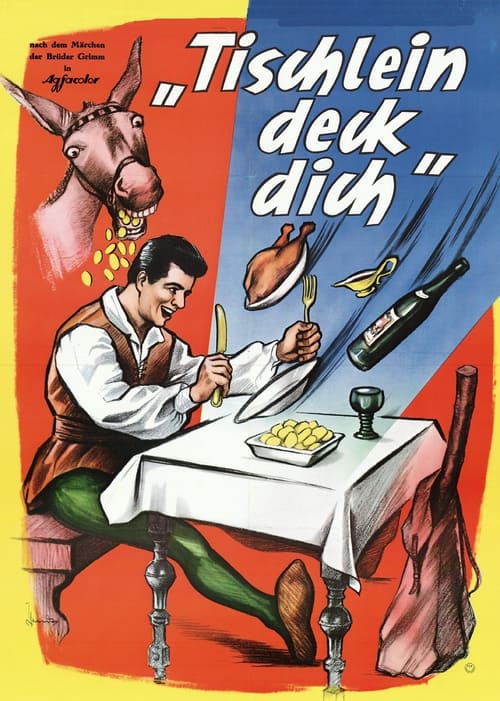
The Donkey, The Table and The Stick
1956
No user ratings available yet
Representation score: 1.1 out of 10
Representation Score
Limited
1953
Director
Wolfgang Staudte
Runtime
100 minutes
Average Rating
No ratings yetNew Showbiz Analysis
The film is a mid-century fantasy that prioritizes traditional storytelling archetypes over diverse identity representation. While it lacks depth in LGBTQ+, racial, and disability representation, it excels in cultural critique. Director Wolfgang Staudte uses the fantasy setting to deconstruct social hierarchies and institutional stability. The narrative's strength lies in its exploration of moral relativism and the breakdown of traditional authority structures. Ultimately, the work functions more as a philosophical critique of systemic instability than a diverse character study, making it a notable example of moral exploration within the genre.
Category Breakdown
The film follows a traditional coming-of-age fantasy arc. There are no depictions of non-straight relationships or same-sex intimacy.
Female characters mainly play antagonistic or domestic roles, such as the wicked woman who tries to enslave the protagonist. The story focuses on the male protagonist's journey and survival.
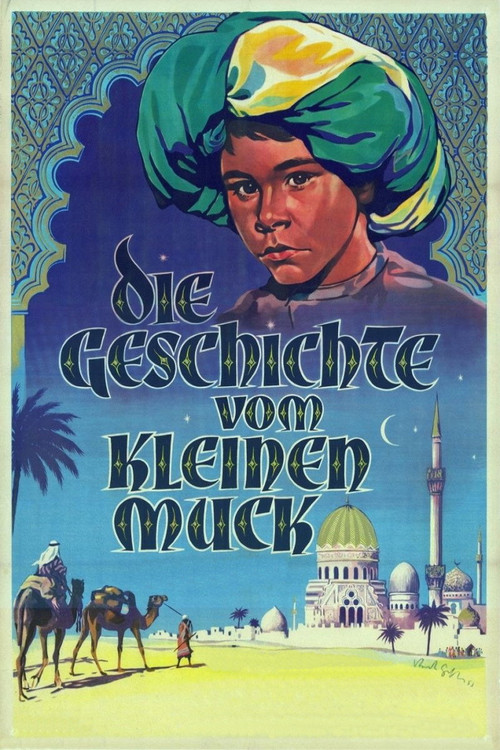
The setting uses an Orientalist style and Middle Eastern folklore. However, the representation serves a stylistic fairy-tale purpose rather than offering a nuanced look at ethnic identity.
The story provides a sophisticated critique of traditional institutions and family structures. It explores moral relativism and the instability of authority through the protagonist's journey.
The film lacks characters with physical or neurodivergent disabilities. The plot highlights the protagonist's physical agility through magic, avoiding the exploration of lived experiences of disability.
Present on Screen
Limited or Absent
Official Synopsis
An old man living in an oriental city tells the story of his life to a group of kids: He too was once a young boy by the name of Little Muck - much like them, but with better manners and a heap of problems. Having lost his father at early age, little Muck is expelled from home by his greedy relatives. He wanders off into the desert hoping to find the merchant who sells good fortune. Amidst the dunes of sand he comes across a small house owned by a wicked woman and her many cats. She wants to make Little Muck her servant, but he manages to escape by stealing a pair of magic shoes which enable him to run faster than any man in the country. From there he heads right into the next set of challenges...
1956
1964
1964

1973
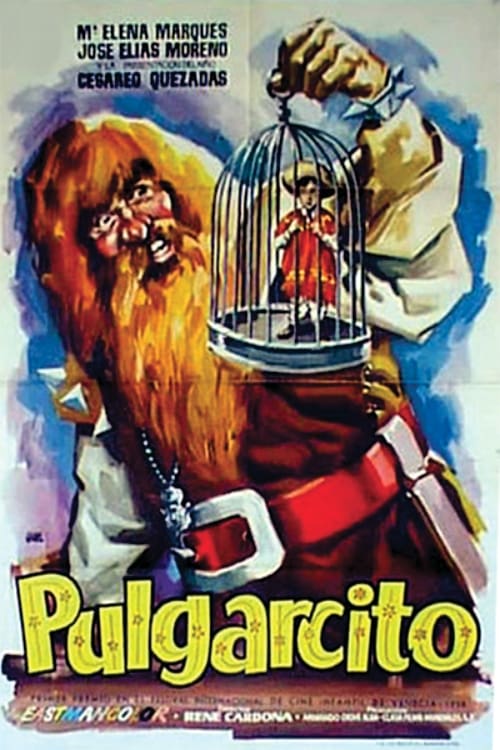
1958
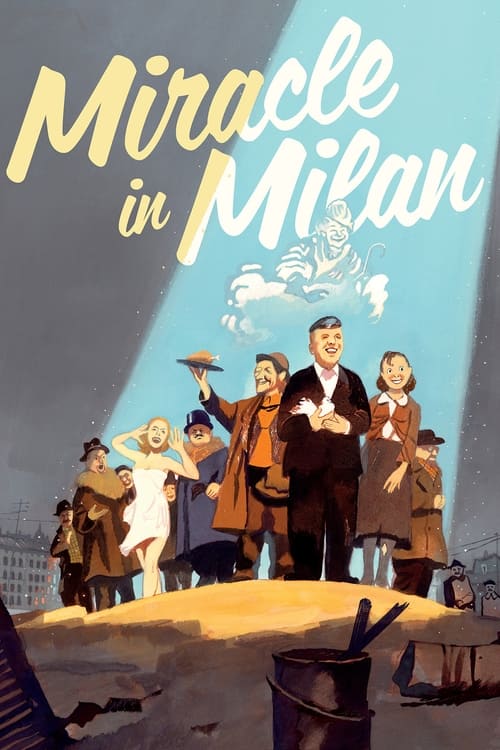
1951
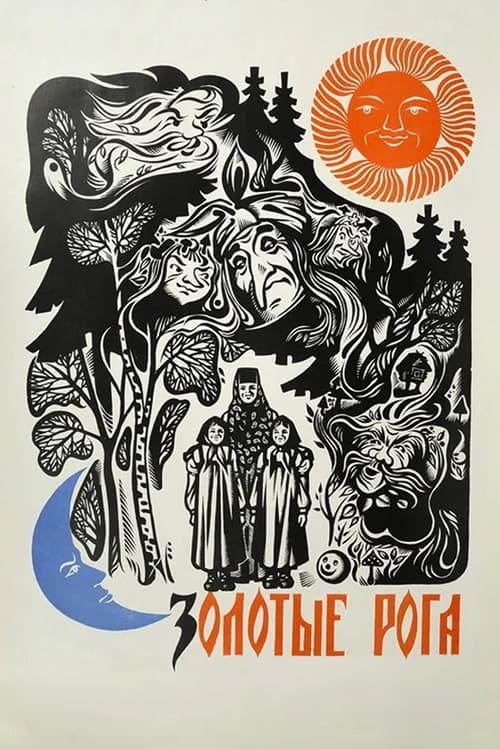
1973
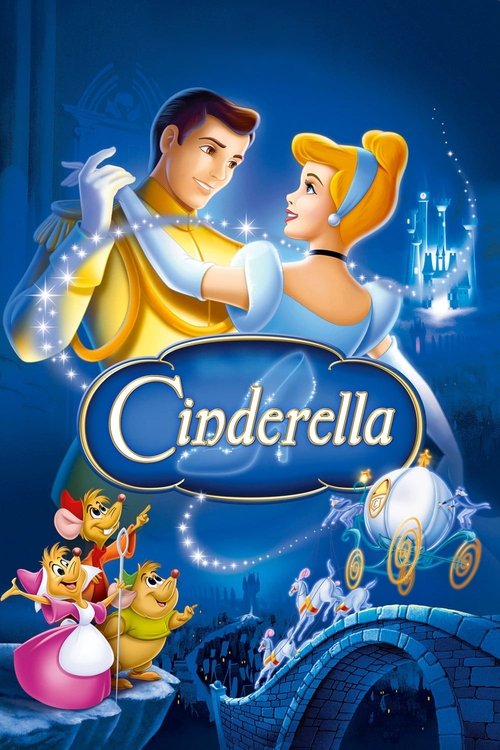
1950
No reviews yet. Be the first to share your thoughts on this movie!
Use the rating form above to leave a star rating and optional review.