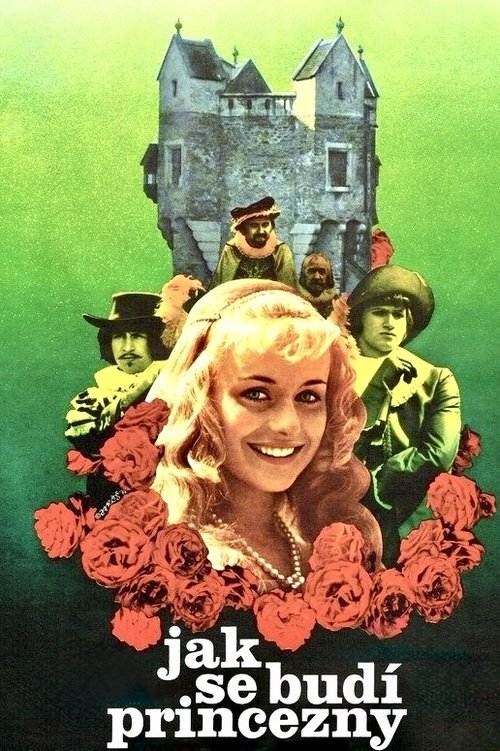
How to Wake a Princess
1978
No user ratings available yet
Representation score: 2.7 out of 10
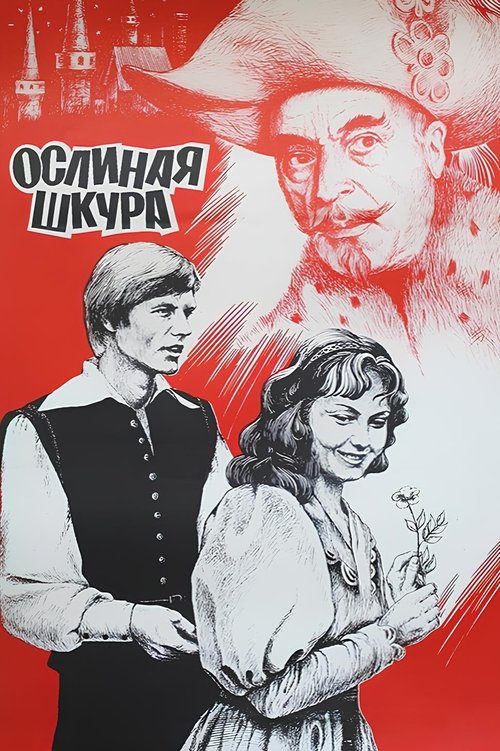
Representation Score
Fair
1982
Director
Nadezhda Kosheverova
Runtime
79 minutes
Average Rating
No ratings yetNew Showbiz Analysis
Donkey's Hide reimagines classical fairy-tale clichés by focusing on a proactive female protagonist. The film highlights Princess Theresa's active role in shaping her own destiny through disguise and autonomy. However, the movie stays within traditional European and conventions that assume everyone is straight. It lacks diverse representation, particularly in terms of race and LGBTQ+ identities, and adheres closely to the conventions of its literary roots from the 1980s. Overall, the film explores individual empowerment against rigid social hierarchies, though it does not broaden its demographic scope.
Category Breakdown
The story focuses on a traditional romance between Princess Theresa and Prince Jacques. There are no instances of same-sex relationships or non-cisgender identities in the narrative.
Princess Theresa challenges typical fairy-tale stereotypes by taking a leading role in her own story. She rejects her royal life and disguises herself to shape her own destiny.
The film is set in a European context, similar to the original French literary work. It does not include actors from different racial backgrounds.
The story criticizes traditional power structures by showing Princess Theresa leaving her royal court. It emphasizes personal freedom over maintaining established monarchies.
None of the characters have visible or invisible disabilities that affect the main plot or character development.
Present on Screen
Limited or Absent
Official Synopsis
At the festivities marking the christening of princess Theresa, daughter of King Gaston IX, a wicked fairy made a mysterious prophecy about the girl's life. Seventeen years later, Theresa falls in love with a poor prince named Jacques. Then the prophecy starts coming true...
1978
1970
1977
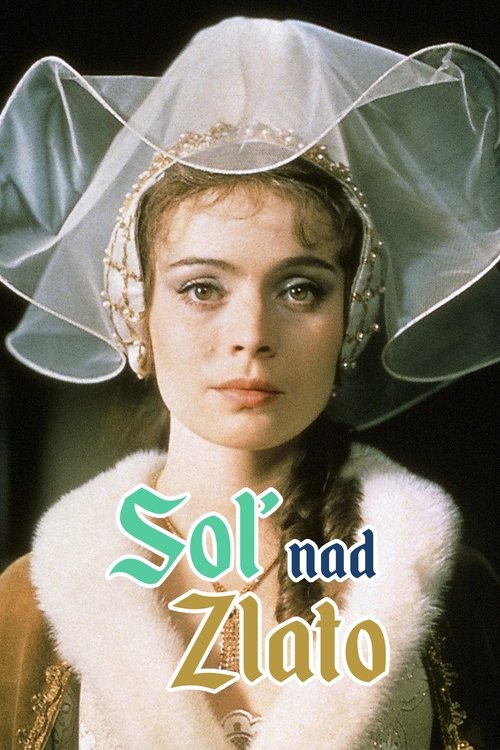
1983
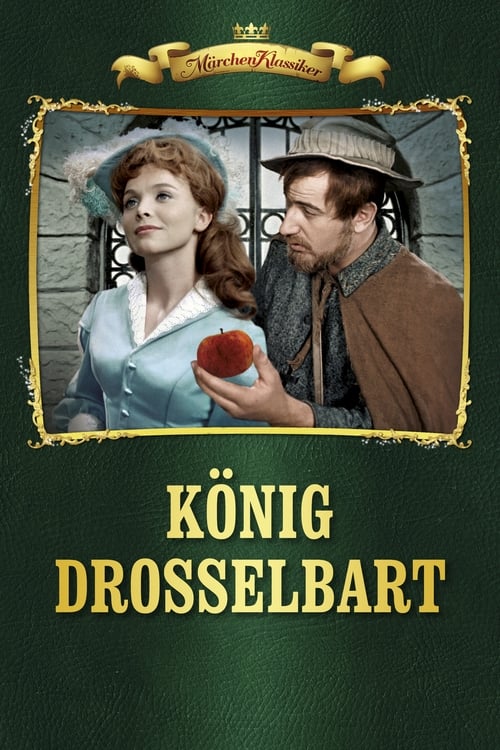
1965

1998

2010

1968
No reviews yet. Be the first to share your thoughts on this movie!
Use the rating form above to leave a star rating and optional review.