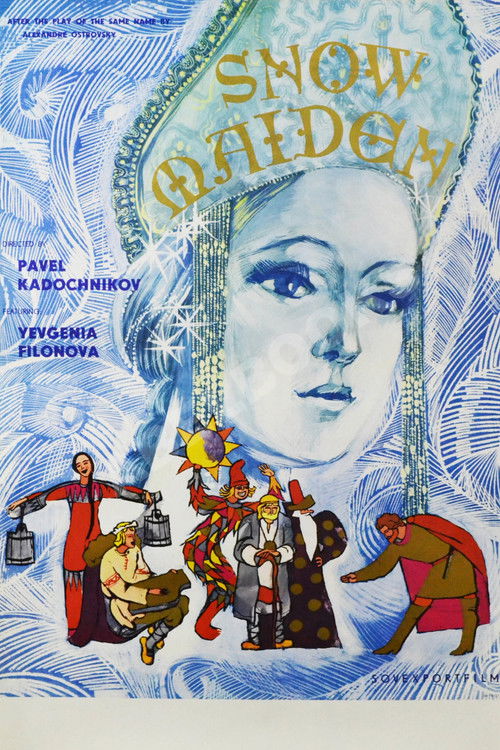
The Snow Maiden
1968
No user ratings available yet
Representation score: 1.2 out of 10
Representation Score
Limited
1942
Director
Fyodor Filippov, Valentin Kadochnikov
Runtime
83 minutes
Average Rating
No ratings yetNew Showbiz Analysis
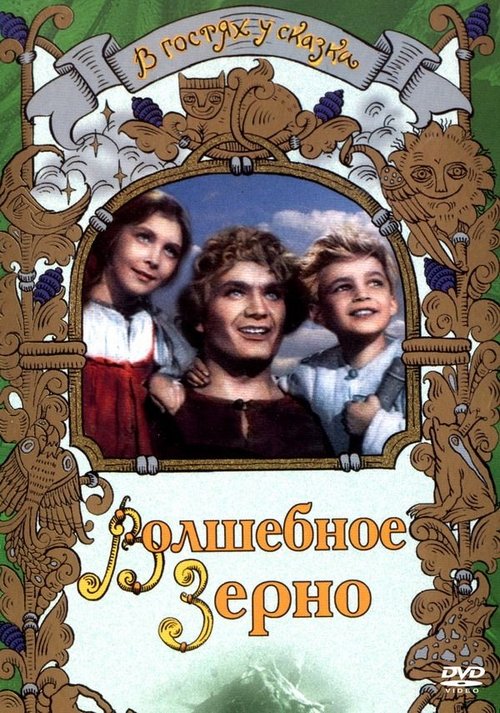
The Magic Seed is a 1942 Soviet fairytale that serves as a communal allegory. It emphasizes universal sustenance and collective survival, offering a unique perspective on resource distribution. Though the film lacks modern complexity in representing diverse identities, it successfully disrupts individualistic themes by focusing on community benefits. However, it is limited by the traditional social structures of its time, lacking diverse representation in gender, race, or LGBTQ+ identities, sticking to standard folklore.
Category Breakdown
The film follows traditional folklore that prioritizes heterosexual families. There are no non-traditional gender identities or same-sex relationships shown.
Gender roles follow the 1940s hierarchy. Women gain influence through wisdom and household skills, but there is no challenge to male leadership.
The film focuses on local, homogeneous folk characters. There is no significant non-Slavic representation or casting that breaks the era's patterns.
The story highlights collectivist values and communal resource sharing. The magic seed symbolizes prioritizing community needs over personal desires.
There are no characters with physical or neurodivergent disabilities mentioned in the narrative.
Present on Screen
Limited or Absent
Official Synopsis
Two siblings are given a magic flute and a magic seed as gifts. If you plant the seed in the ground, every wish comes true. But an evil wizard wants to steal the children’s magic seed.
1968
1964
1973
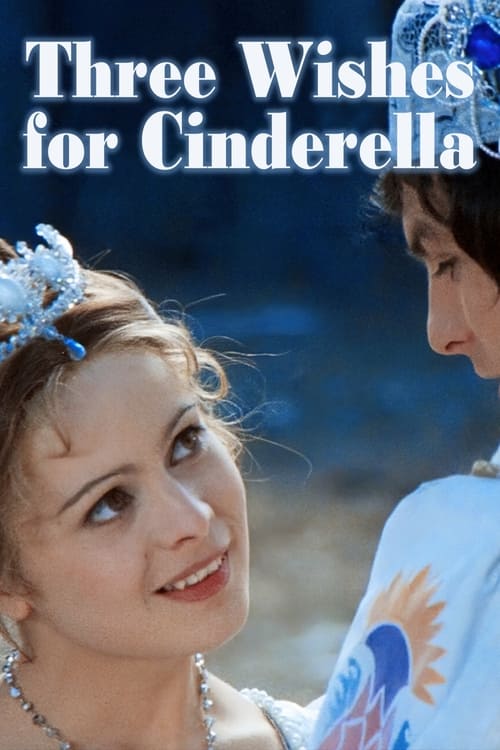
1973
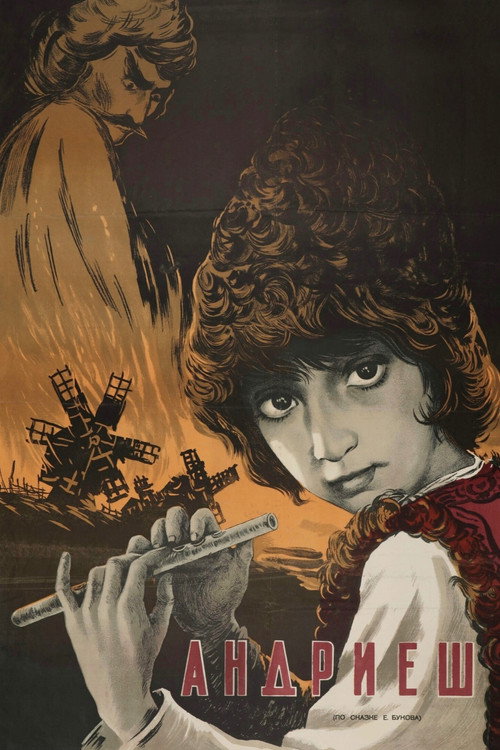
1954
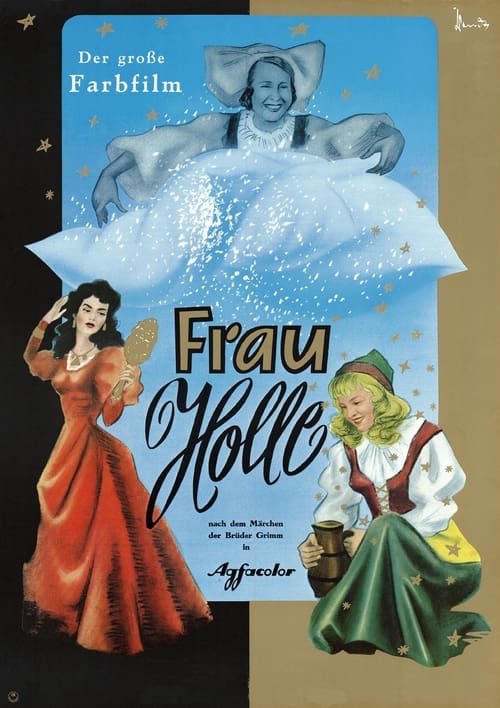
1954
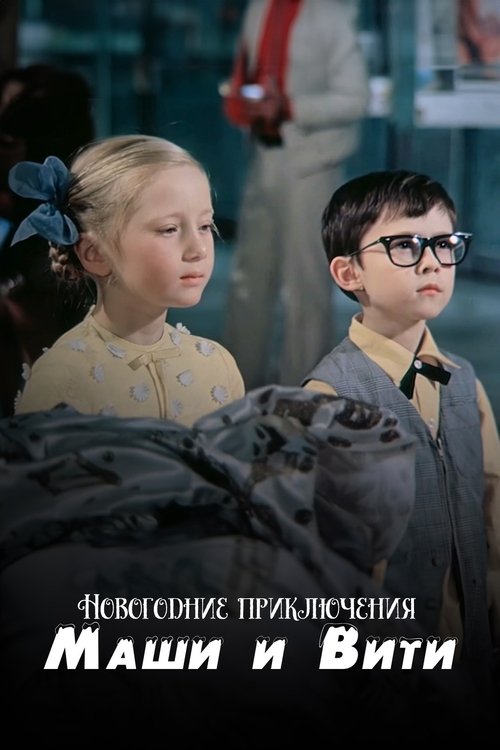
1975
1956
No reviews yet. Be the first to share your thoughts on this movie!
Use the rating form above to leave a star rating and optional review.