The Snow Maiden
1968
No user ratings available yet
Representation score: 1.2 out of 10
Representation Score
Fair
1954
Director
Sergei Parajanov, Yakov Bazelyan
Runtime
63 minutes
Average Rating
No ratings yetNew Showbiz Analysis
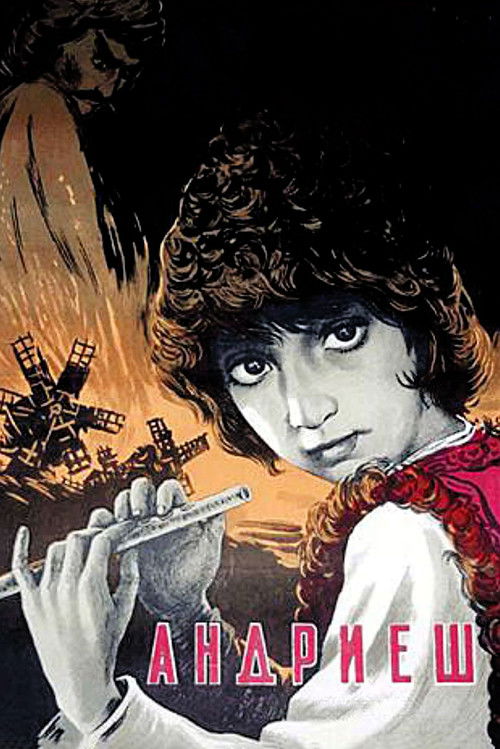
Andriesh serves as a significant example of regional storytelling that challenges the dominance of Western fantasy clichés. It utilizes Moldovan folklore to provide a culturally specific alternative to mid-century cinematic norms. The film relies on traditional character archetypes, particularly regarding gendered ability to act and the hero's journey. However, it subverts standard power dynamics by emphasizing a magical instrument as a tool for communal liberation rather than pure physical force. While the film excels in cultural and ethnic representation, it lacks specific data regarding LGBTQ+ or disability representation. It remains a stylized, poetic exploration of folklore rooted in Eastern European traditions.
Category Breakdown
The film does not explicitly depict LGBTQ+ identities. While the director's previous work often explores non-traditional connections, there is no specific evidence of these themes in this film.
The male protagonist, Andriesh, drives the story with his pursuit of a classic quest. The gender dynamics of the tyrant's victims remain unspecified, following conventional folklore clichés.
By centering a Moldovan fairy tale, the film disrupts Western-centric fantasy archetypes. It highlights regional ethnic specificity through its Eastern European and Caucasian cinematic roots.
The narrative emphasizes the struggle against an oppressive central authority and systemic tyranny. It focuses on communal liberation and the disruption of corrupt hierarchies over brute martial dominance.
There is no evidence regarding the portrayal of physical or neurodivergent disabilities within the provided narrative.
Present on Screen
Limited or Absent
Official Synopsis
The evil wizard Black Whirlwind steals the herd of a shepherd boy named Andriesh along with his faithful dog Lupar. Andriesh sets off to rescue them. On the way, he receives a magical flute as a gift, which helps him find his way to the wizard's castle — and comes to the aid of Black Whirlwind's numerous victims, who have long suffered from the tyrant's misdeeds. Based on a Moldovan fairy tale by Emilian Bukov.
1968
1964

1968
1965
1979
1954
1975
1956
No reviews yet. Be the first to share your thoughts on this movie!
Use the rating form above to leave a star rating and optional review.