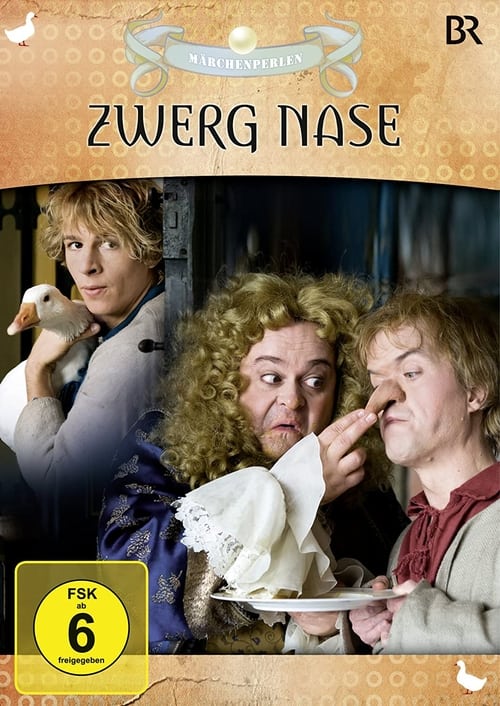
Zwerg Nase
2008
No user ratings available yet
Representation score: 3.6 out of 10
Representation Score
Minimal
1960
Director
Erwin Anders, Christoph Engel
Runtime
73 minutes
Average Rating
No ratings yetNew Showbiz Analysis
This East German adaptation of a Grimm fairy tale operates primarily as a traditional folk narrative. It adheres closely to the social and demographic norms of its 1960 production era. While the film lacks modern diversity in terms of race and LGBTQ+ representation, it offers a subtle critique of class and systemic greed. The tension between Marie and the predatory male figures provides insight into power dynamics. Ultimately, the film is a product of the DEFA studio system, emphasizing ideological themes of anti-capitalism over social inclusivity.
Category Breakdown
The film follows a traditional fairy tale structure without any representation of LGBTQ+ identities or same-sex relationships.
The story centers around Marie, whose role is initially limited by male-dominated figures. Her journey highlights her struggle against the pressures exerted by these figures.
The casting and setting reflect a homogeneous European population, consistent with a 1960s adaptation of a German folk tale.
The narrative critiques greed and institutional corruption through its portrayal of a greedy treasurer. However, it relies on traditional folklore without incorporating modern social critiques.
There is no mention of characters with visible or invisible disabilities in the synopsis.
Present on Screen
Limited or Absent
Official Synopsis
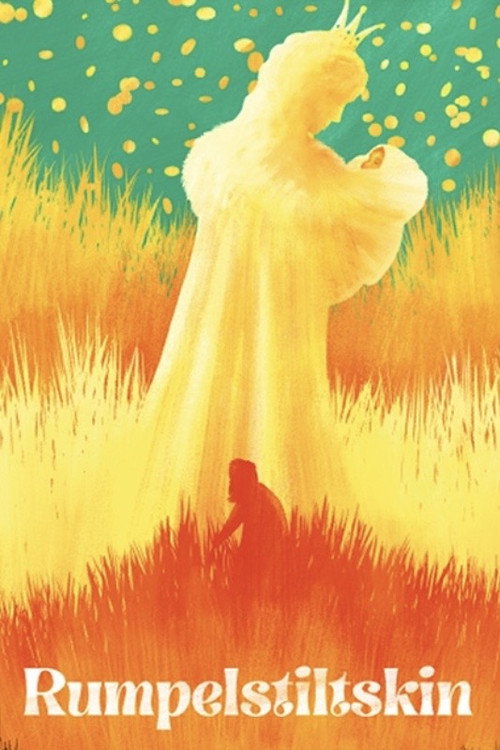
East German adaptation of Grimm‘s fairy tale "Rumpelstiltskin". A boastful miller pretends that his daughter Marie can spin straw into gold, and so she is locked into a room full of straw and ordered to spin it into gold by the next morning. A little man appears and offers his help in exchange for Marie's necklace. The greedy treasurer makes Marie spin twice more until the only thing she has left to give the little man is the promise of her first-born child…
2008
1964
1954
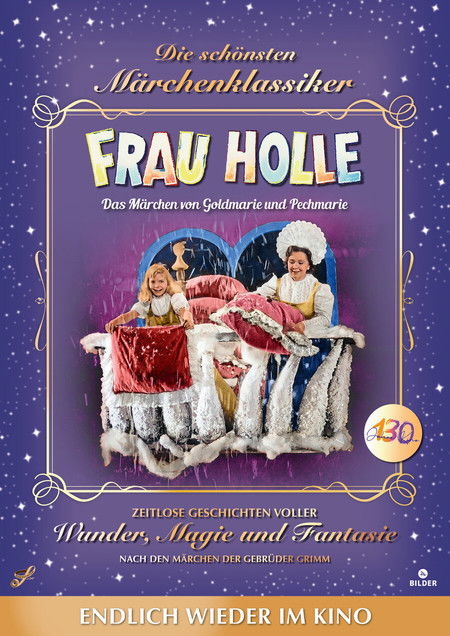
1961
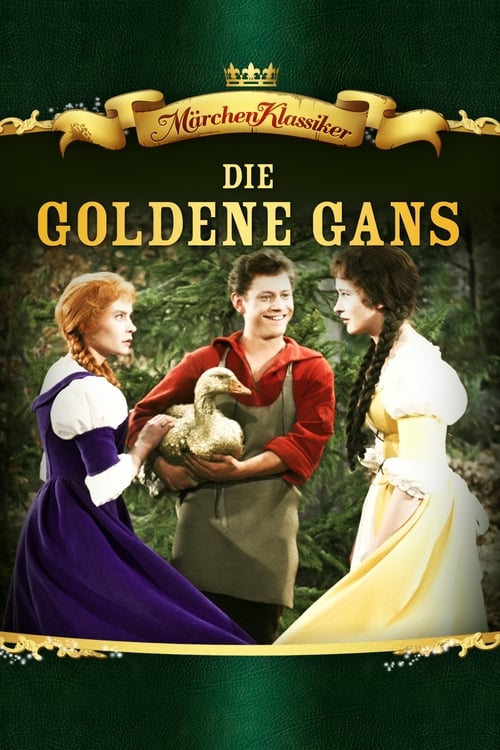
1964

2010
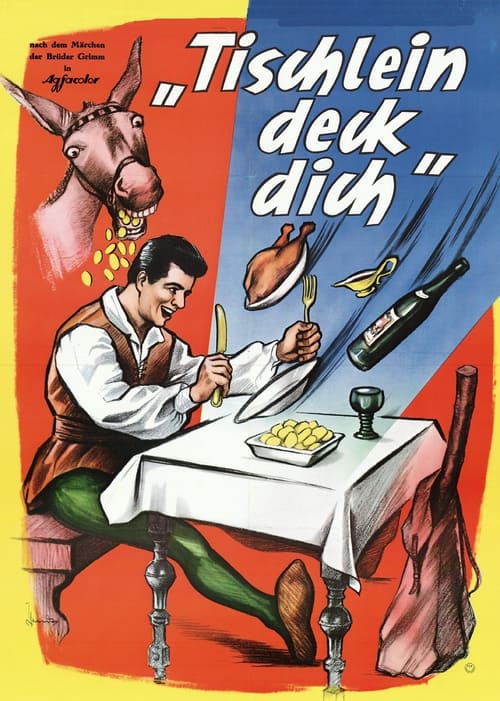
1956
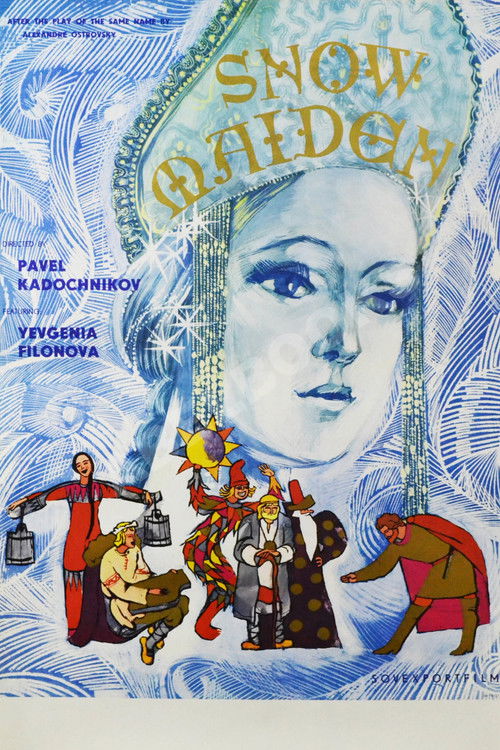
1968
No reviews yet. Be the first to share your thoughts on this movie!
Use the rating form above to leave a star rating and optional review.