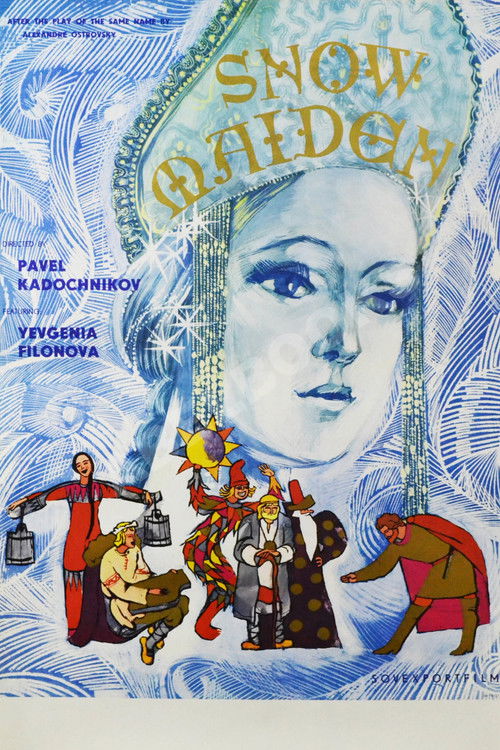
The Snow Maiden
1968
No user ratings available yet
Representation score: 1.2 out of 10
Representation Score
Limited
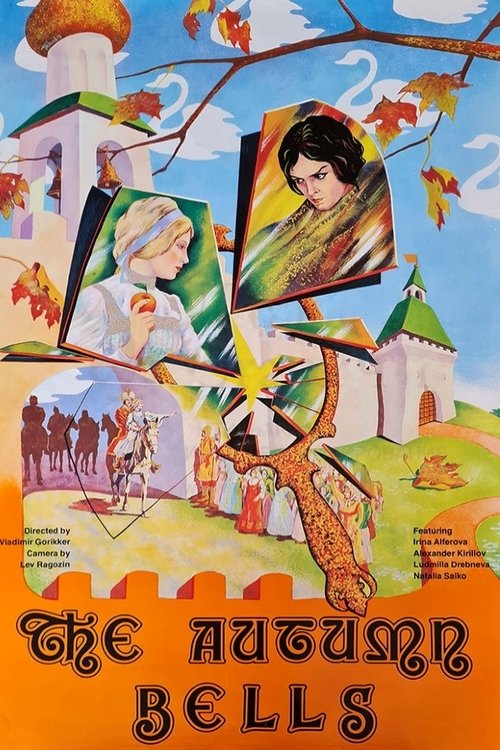
1979
Director
Vladimir Gorikker
Runtime
76 minutes
Average Rating
No ratings yetNew Showbiz Analysis
Bells of Autumn is a traditional musical fairy tale that prioritizes the preservation of classical Russian literary heritage. It serves as a faithful adaptation of Alexander Pushkin’s poetry, emphasizing established folk traditions rather than modern social disruption. The film operates within the cultural and historical constraints of 1979 Soviet cinema. This leads to a narrative that favors homogeneous ethnic landscapes and conventional romantic archetypes over modern diversity standards. While the female lead holds central importance, the film lacks representation for LGBTQ+ identities and nuanced portrayals of disability, remaining firmly anchored in historical mythos.
Category Breakdown
The film does not include any queer narratives or non-binary gender identities. It follows traditional romantic storylines typical of its source material.
The story focuses on a female protagonist who plays a significant role in the narrative. However, her influence is limited by traditional romantic storylines and period clichés.
The production features a homogeneous ethnic landscape consistent with its Russian literary origins. There is no indication of diverse ethnic representation or race-bent casting.
The film emphasizes communal folklore and magical realism over contemporary individualistic values. It remains deeply rooted in traditional morality and historical storytelling.
Characters with disabilities are not shown taking control over their lives. Physical or mental differences are used primarily as symbolic plot devices rather than detailed character studies.
Present on Screen
Limited or Absent
Official Synopsis
A musical fairytale based on the poem "The Tale of the Dead Princess" by Alexander Pushkin.
1968
1954

1968
1961
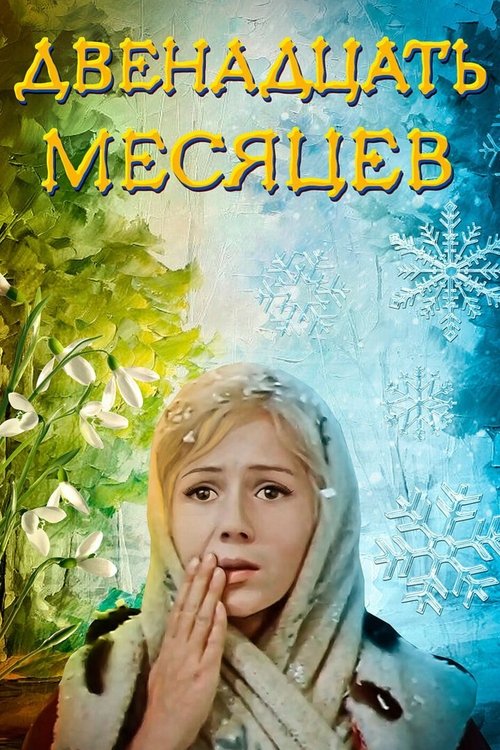
1973
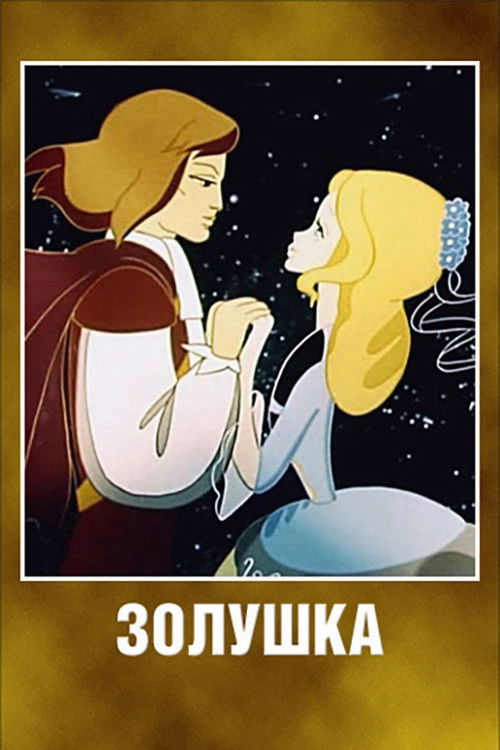
1979
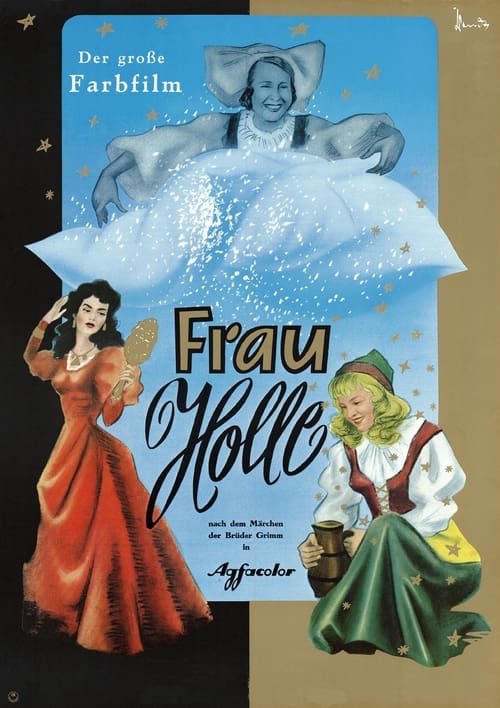
1954
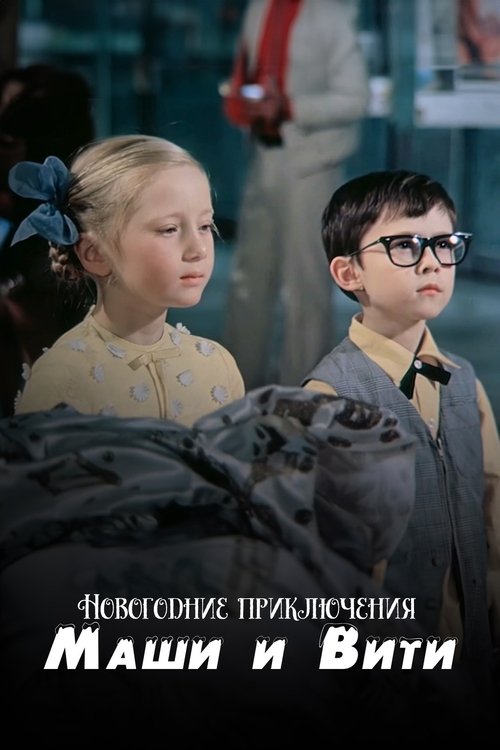
1975
No reviews yet. Be the first to share your thoughts on this movie!
Use the rating form above to leave a star rating and optional review.