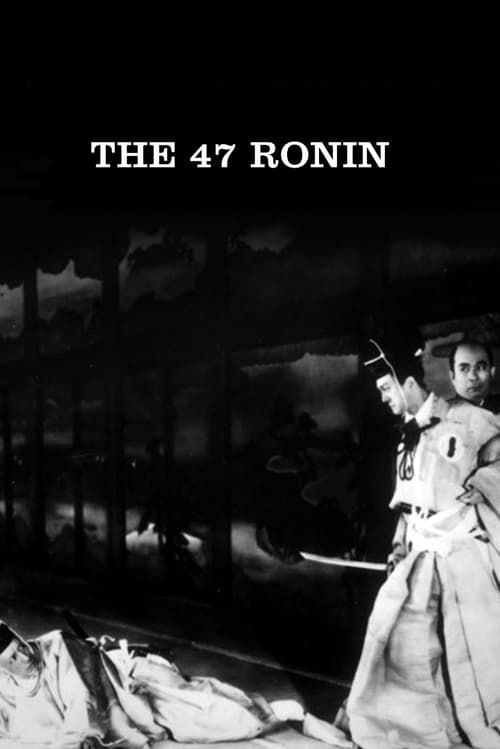
The 47 Ronin
1941
No user ratings available yet
Representation score: 1.0 out of 10

Representation Score
Limited
1955
Director
Kenji Mizoguchi
Runtime
108 minutes
Average Rating
No ratings yetNew Showbiz Analysis
Mizoguchi’s direction moves beyond the typical romanticism of the samurai era by using historical fatalism to deconstruct the perceived permanence of social hierarchies and the stability of traditional institutions. The film provides a nuanced view of social collapse that transcends simple heroic clichés, offering a critique of power rather than a celebration of it. While the film lacks modern multi-layered markers like LGBTQ+ visibility, it remains a sophisticated exploration of systemic fragility and the human cost of political ambition.
Category Breakdown
The film focuses on the traditional structures of the Taira clan without depicting non-binary or LGBTQ+ identities or relationships.
The narrative centers the experiences of women within a male-dominated military conflict, highlighting how they navigate and endure the volatility of aristocratic ambition and political shifts.
The cast is ethnically uniform to maintain historical authenticity for Heian-period Japan. The film functions as a culturally specific reconstruction rather than incorporating diverse modern casting practices.
Buddhist concepts of impermanence shape the moral landscape, critiquing the cyclical nature of violence and the inherent instability of feudal institutions.
There is no significant portrayal of visible or invisible disabilities within the film.
Present on Screen
Limited or Absent
Official Synopsis
Japan, 1137. The Taira family, a samurai clan, becomes involved in the disputes between Emperor Toba and the monks of Mount Hiei.
1941
1957
1955
1955
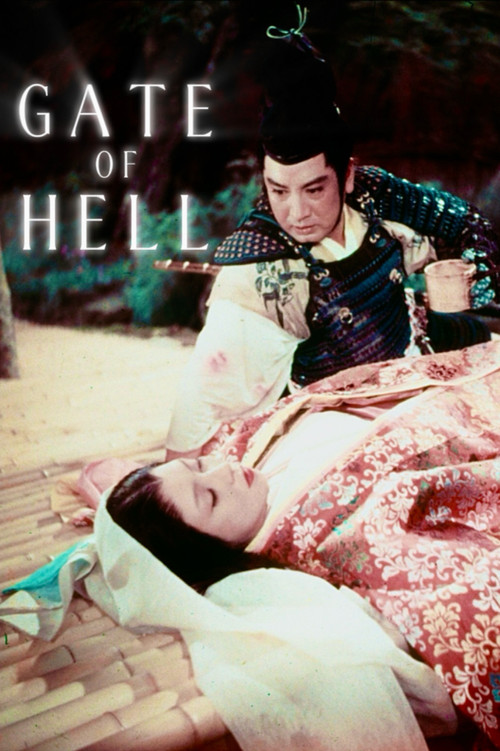
1953
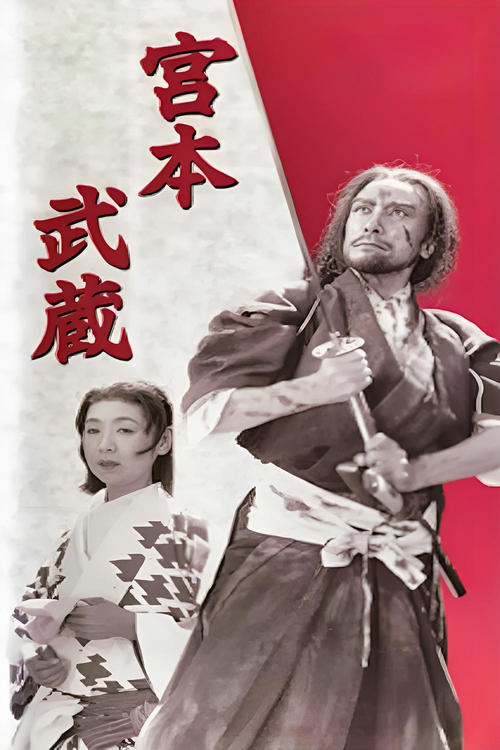
1944
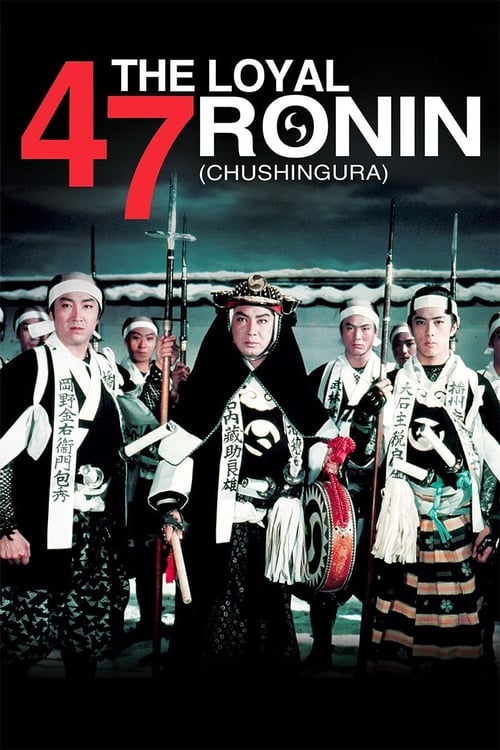
1958
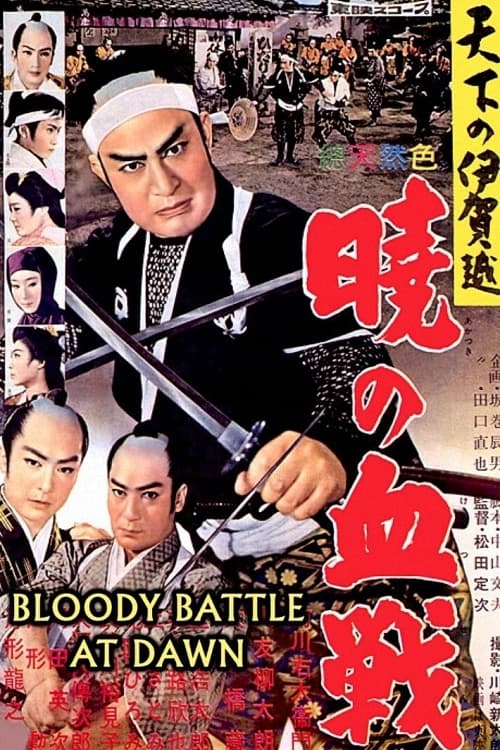
1959
No reviews yet. Be the first to share your thoughts on this movie!
Use the rating form above to leave a star rating and optional review.