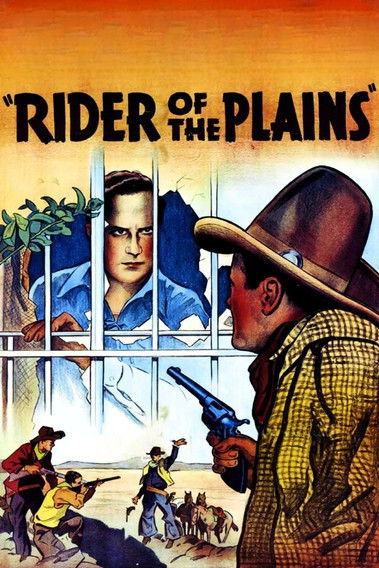
A Rider of the Plains
1931
No user ratings available yet
Diversity score: 2.6 out of 10
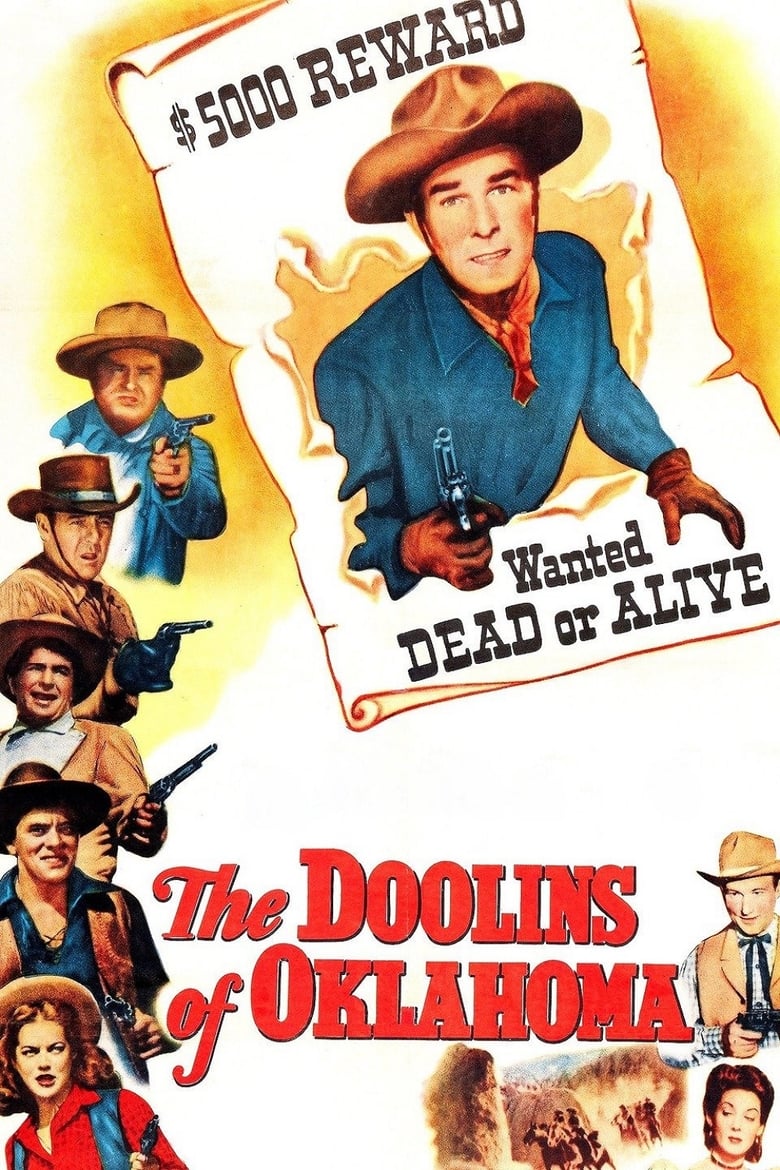
1949
PGDirector
Gordon Douglas
Runtime
90 minutes
Average Rating
No ratings yetSynopsis
When the Daltons are killed at Coffeyville, gang member Bill Doolin, arriving late, escapes but kills a man. Now wanted for murder, he becomes the leader of the Doolin gang. He eventually leaves the gang and tries to start a new life under a new name, but the old gang members appear and his true identity becomes known. Once again he becomes an outlaw trying to escape from the law.
Overall Score
Limited
Category Breakdown
LGBTQ+ Representation
The film lacks any evidence of LGBTQ+ characters or non-heteronormative identities. The narrative focuses on outlaw escapades and law enforcement within a traditional framework.
Gender Representation
The story centers on male-dominated power dynamics and gang leadership. Female characters are relegated to secondary or domestic roles, reinforcing traditional masculine hierarchies of authority.
Racial & Ethnic Diversity
The film reflects the era's standard casting practices, likely featuring a homogeneous white cast. It relies on the Anglo-centric perspectives common to 1940s frontier narratives.
Religious & Cultural Diversity
The plot follows a traditional morality tale regarding crime and justice. It operates within established mid-century moral boundaries without challenging Western social institutions.
Disability Representation
There is no information regarding characters with visible or invisible disabilities. No such elements are present in the narrative arc.
Strengths
Areas for Improvement
AI Analysis
The Doolins of Oklahoma is a conventional mid-century Western that adheres strictly to the genre tropes of 1949. The narrative is driven by male protagonists and focuses on the cycle of outlawry and law enforcement. Because the film operates within the established social hierarchies of its time, it lacks intersectional complexity. It reinforces traditional archetypes rather than subverting them. Ultimately, the film serves as a standard genre piece that prioritizes historical cinematic norms over diverse representation.
1931
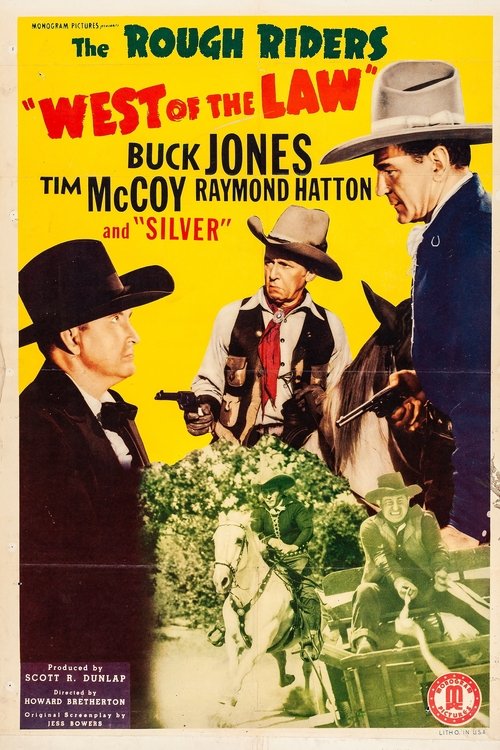
1942
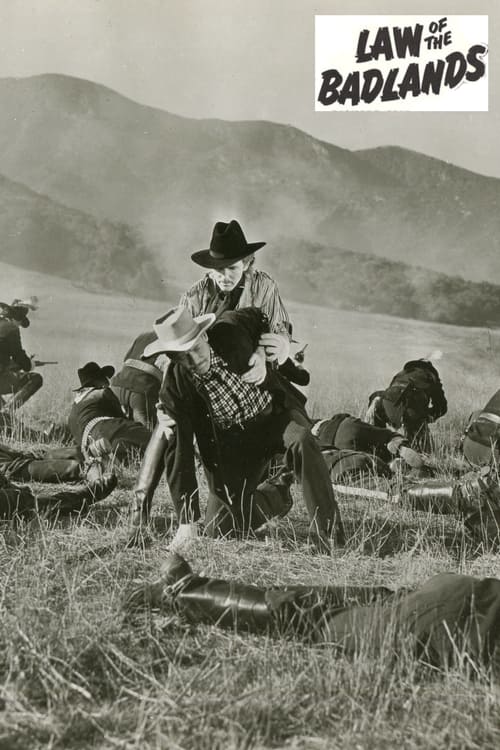
1945
1961
1949
1948
1947
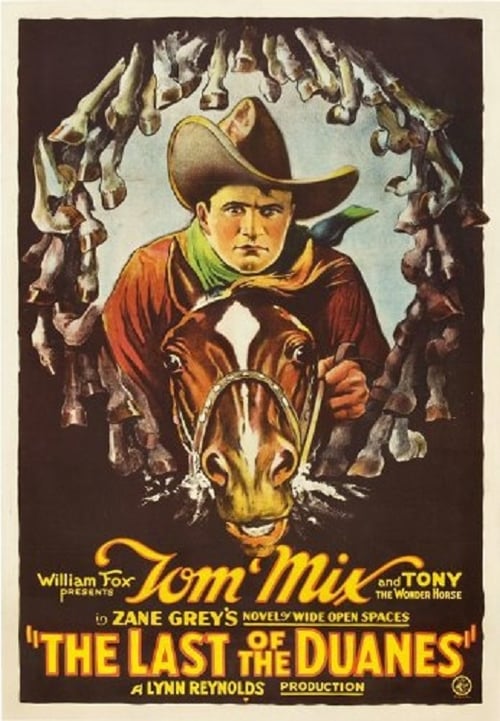
1924
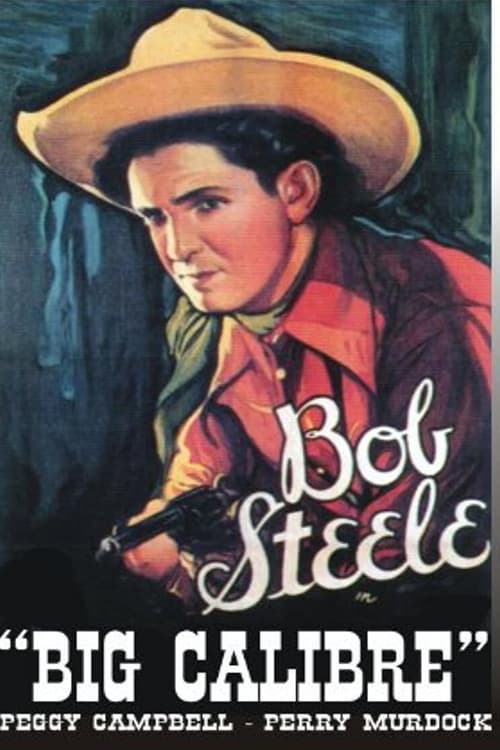
1935
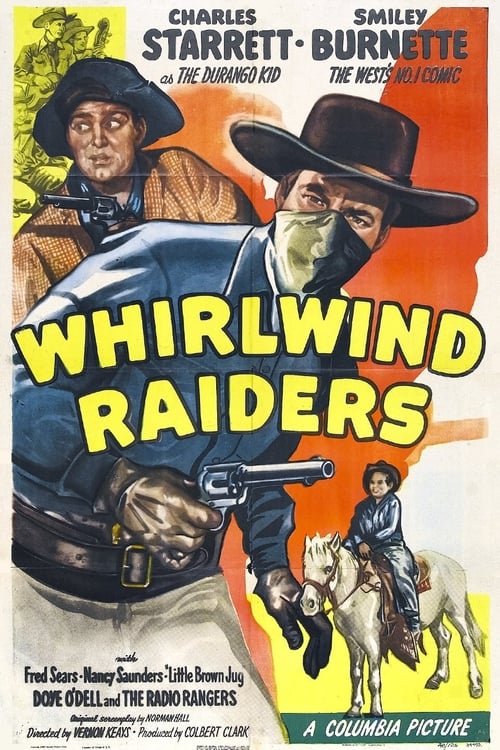
1948
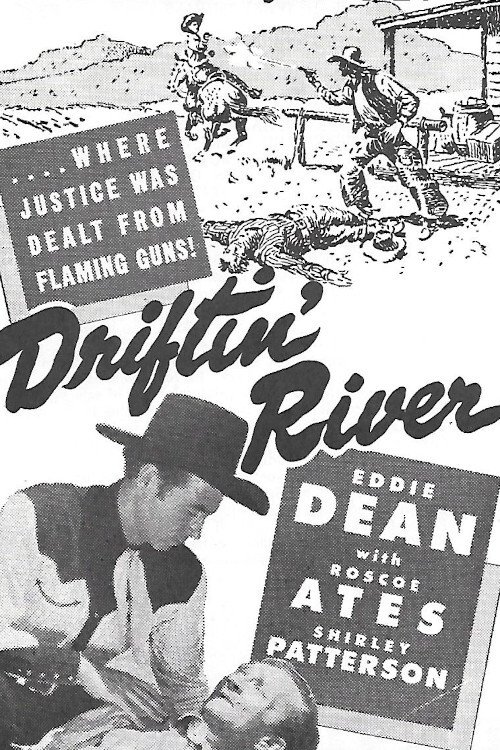
1946
1951
No reviews yet. Be the first to share your thoughts on this movie!
Use the rating form above to leave a star rating and optional review.