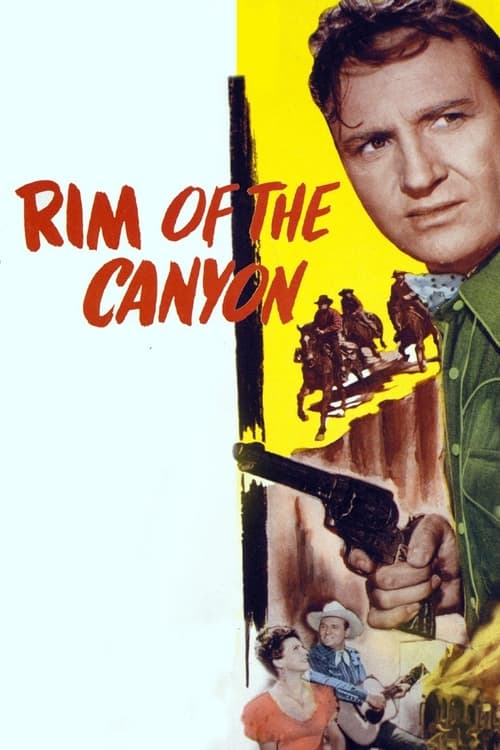
Rim of the Canyon
1949
No user ratings available yet
Representation score: 0.3 out of 10
Representation Score
Minimal
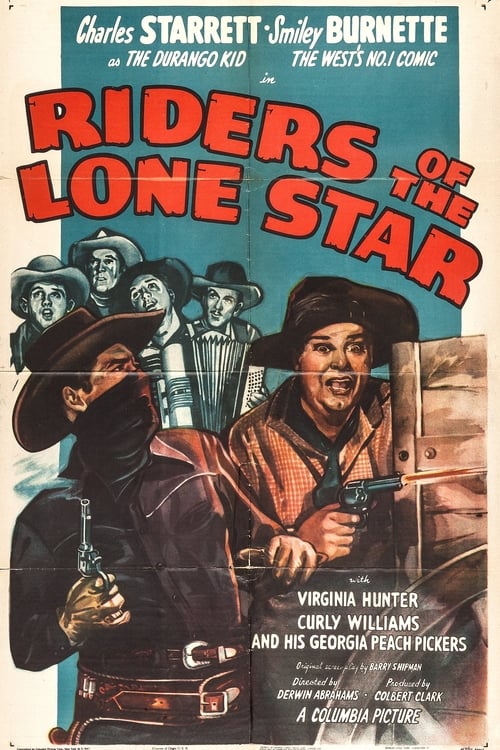
1947
PassedDirector
Derwin Abrahams
Runtime
55 minutes
Average Rating
No ratings yetNew Showbiz Analysis
Riders of the Lone Star is a conventional mid-century Western that prioritizes established genre clichés over narrative complexity. The story centers on masculine archetypes, focusing on outlaws, sons, and heroes in a pursuit of legacy and wealth. The film lacks representation of women, diverse racial groups, and LGBTQ+ identities. It reinforces traditional patriarchal hierarchies and demographic homogeneity. Ultimately, the production follows the predictable social and cultural patterns of 1947, providing a straightforward hero-versus-outlaw dynamic without challenging historical norms.
Category Breakdown
The film does not depict any non-binary or LGBTQ+ identities. It relies on traditional masculine roles typical of the 1940s Western genre.
The story is driven by male characters, focusing on the lineage of Dusty Morton and the actions of Steve and the Durango Kid. Women play minor roles and have little influence on the main conflict.
The film follows the demographic homogeneity common to mid-century Westerns, with no evidence of diverse casting or ethnic representation within the outlaw gang or mining community.
The story adheres to standard Western clichés of individualist heroism and the pursuit of wealth. It does not critique social structures or cultural institutions.
There is no mention of characters with visible or invisible disabilities within the provided narrative.
Present on Screen
Limited or Absent
Official Synopsis
An outlaw gang is trying to stop the reopening of a mine as they look for the money left there by the famous outlaw Dusty Morton. After a ten year absence, Morton has apparently reappeared and Steve arrives looking for him. He finds his son who also wonders if his father is still alive. With the gang soon after him, the Durango Kid goes into action and Steve tries to learn who the real Dusty Morgan is.
1949
1958
1945
1935
1949
1940
1949
1945
No reviews yet. Be the first to share your thoughts on this movie!
Use the rating form above to leave a star rating and optional review.