Law of the Badlands
1945
No user ratings available yet
Representation score: 1.9 out of 10
Representation Score
Minimal
1951
NRDirector
William D. Russell
Runtime
84 minutes
Average Rating
No ratings yetNew Showbiz Analysis
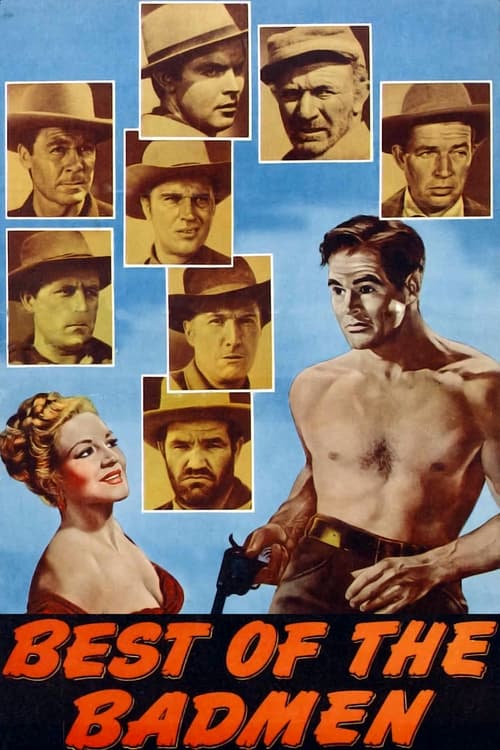
Best of the Badmen is a quintessential mid-century Western that follows the established cinematic grammar of its time. The story centers on traditional archetypes and narrative structures, focusing on the internal political tensions of the post-Civil War West through a homogeneous lens. The film upholds the social and demographic norms of the 1950s without challenging them. While it critiques specific corrupt lawmen, it does not extend this critique to broader systemic issues. Ultimately, the work serves as a baseline for genre conventions, prioritizing masculine conflict and a narrow racial perspective.
Category Breakdown
The film operates within a framework that assumes everyone is straight and cisgender. There is no representation of LGBTQ+ identities or same-sex relationships.
The narrative focuses on masculine competition and outlawry, with women having limited roles that reinforce traditional gender hierarchies.
The production features a predominantly white, Anglo-Saxon cast. It does not include a diverse range of ethnicities or utilize actors from different backgrounds.
The film explores personal honor against institutional corruption but does not critically examine religious or capitalist systems. The morality presented is relatively straightforward.
There is no representation of physical, sensory, or neurodivergent identities. Characters are defined solely by their roles as soldiers or outlaws.
Present on Screen
Limited or Absent
Official Synopsis
After the North defeats the South, Union Maj. Jeff Clanton heads to Missouri to provide the Confederacy's Quantrill's Raiders a chance to claim allegiance to the Union, thereby clearing their wanted status. But standing in Clanton's way are the corrupt lawmen Joad and Fowler, who would rather keep the men outlaws to collect the reward on their heads. After Joad and Fowler frame Clanton for murder, he manages to escape, becoming an outlaw himself.
1945

1939

1944
1958
1971
1952
1954
1966
No reviews yet. Be the first to share your thoughts on this movie!
Use the rating form above to leave a star rating and optional review.