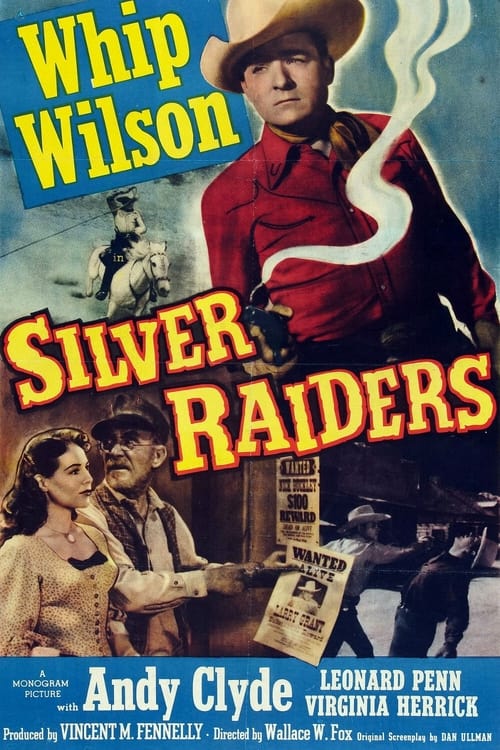
Silver Raiders
1950
No user ratings available yet
Diversity score: 1.9 out of 10
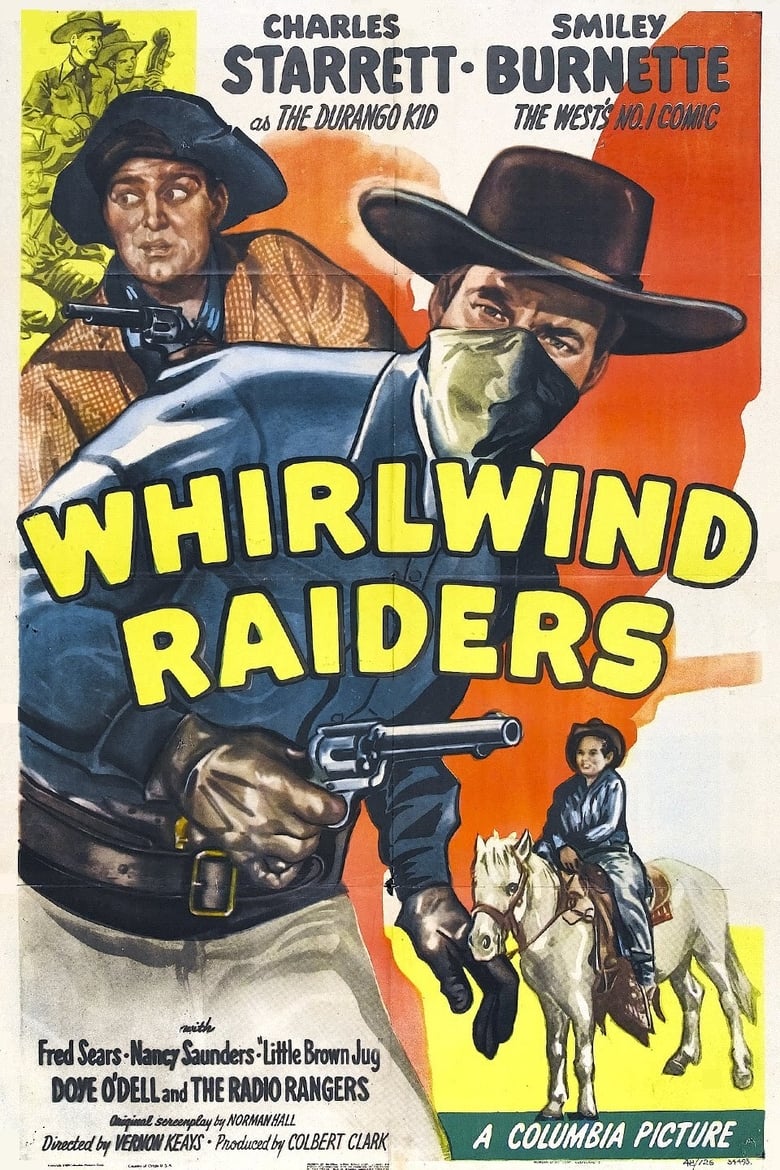
1948
ApprovedDirector
Vernon Keays
Runtime
54 minutes
Average Rating
No ratings yetSynopsis
It's 1873 and the disbanded Texas Rangers have been replaced by the corrupt Texas State Police. Steve Lanning arrives posing as a wanted outlaw to get in with them in his attempt to have them replaced. His inside work helps the Durango Kid break up the State Police raids but he is in trouble when his secret identity as Durango becomes known to them.
Overall Score
Limited
Category Breakdown
LGBTQ+ Representation
The film lacks any depiction of non-heteronormative identities or same-sex intimacy. It adheres to the heteronormative social structures typical of 1948 cinema.
Gender Representation
Agency is concentrated almost entirely in male protagonists like Steve Lanning and the Durango Kid. Women do not appear to occupy roles of intellectual or physical authority.
Racial & Ethnic Diversity
The story focuses on Anglo-American frontier dynamics. While the Durango Kid's name may imply Hispanic descent, the ensemble lacks evidence of significant ethnic diversity.
Religious & Cultural Diversity
The plot critiques institutional corruption within the Texas State Police. However, this critique focuses on individual morality rather than a systemic deconstruction of Western culture.
Disability Representation
There is no evidence of characters with physical or neurodivergent disabilities. The narrative does not feature any representation of disability.
Strengths
Areas for Improvement
AI Analysis
Whirlwind Raiders is a product of the mid-century B-Western era, prioritizing traditional genre archetypes and established social hierarchies. The narrative centers on masculine archetypes of justice and undercover operations, leaving little room for diverse perspectives. The film's focus on the conflict between the Durango Kid and a corrupt police force follows a standard trajectory of heroism. It lacks intersectional depth, relying instead on the conventional tropes of 1940s frontier storytelling. Ultimately, the production reflects the era's cinematic constraints, offering a narrow view of the American West that excludes marginalized identities and non-traditional social structures.
1950
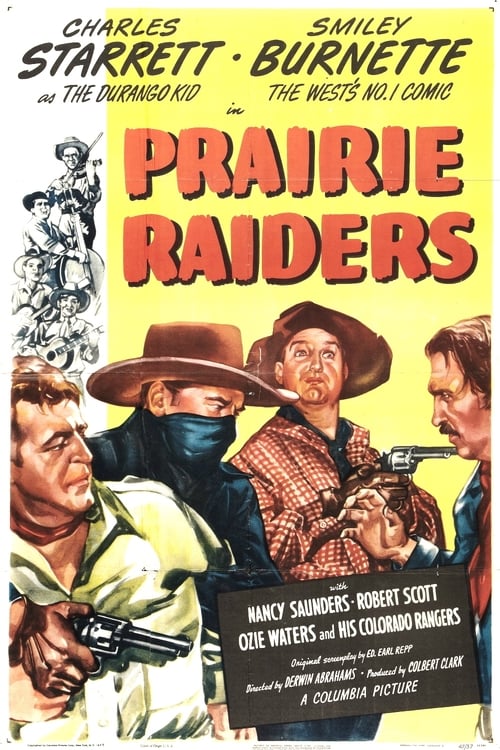
1947
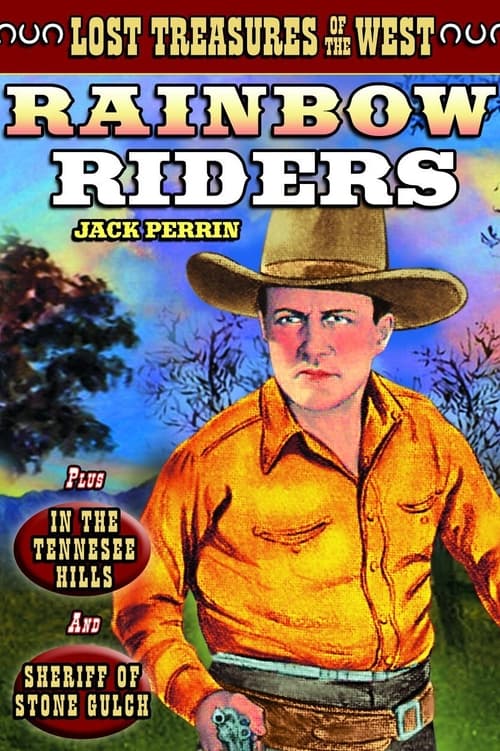
1934
1965
1942
1939
1949
1922
1948
1945
1929
1934
No reviews yet. Be the first to share your thoughts on this movie!
Use the rating form above to leave a star rating and optional review.