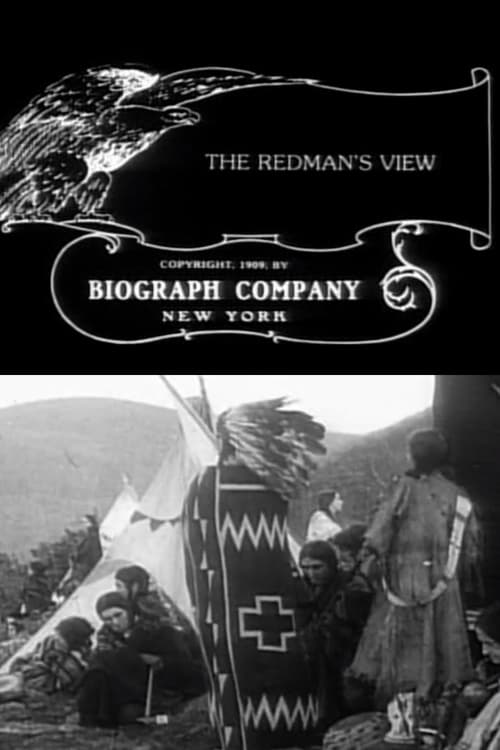
The Redman's View
1909
No user ratings available yet
Representation score: 0.8 out of 10
Representation Score
Limited
1909
Director
D.W. Griffith
Runtime
11 minutes
Average Rating
No ratings yetNew Showbiz Analysis
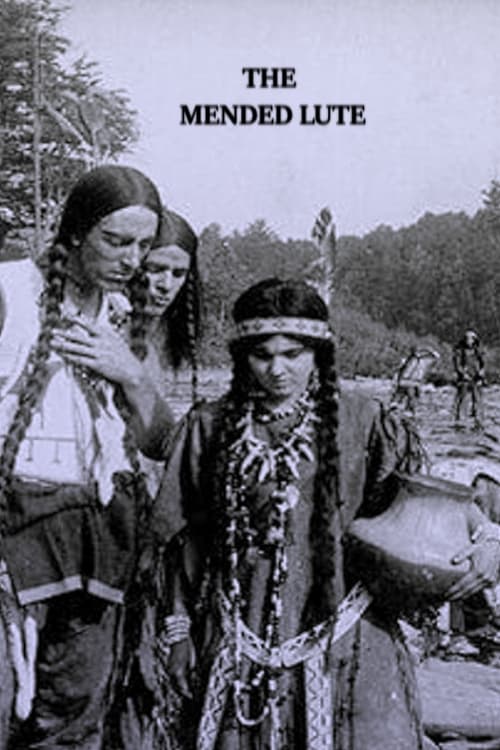
The Mended Lute captures early 20th-century cinematic conventions. While it highlights a female protagonist's quest for personal freedom, the narrative remains confined by romantic clichés and social hierarchies of the time. The film's use of an Indigenous setting deviates from typical Western narratives, yet it fails to provide deep, nuanced portrayals of these characters. Instead, it adheres to colonial stereotypes. Ultimately, the film functions as a traditional romantic drama, reflecting a period when individual ability to act was beginning to emerge but remained limited by prevailing colonial and gendered perspectives.
Category Breakdown
The film does not include any characters with LGBTQ+ identities. The central conflict revolves around a traditional romantic relationship.
The female protagonist seeks personal autonomy by escaping patriarchal constraints. However, her motivations are tied to conventional romantic ideals.
The film includes Indigenous characters and settings. However, these depictions may rely on colonial stereotypes rather than nuanced, self-determined portrayals.
The film operates within the Western genre, focusing on individual romantic struggles. It does not critically examine institutions or promote moral relativism.
There are no characters with visible or invisible disabilities in the film.
Present on Screen
Limited or Absent
Official Synopsis
In an Indian tribe, a girl escapes from her father and suitor to be with the man she loves.
1909

1930
1916
1912
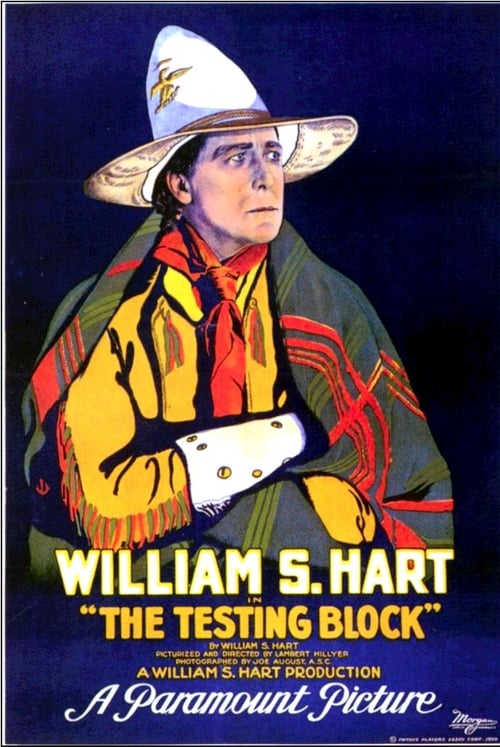
1920
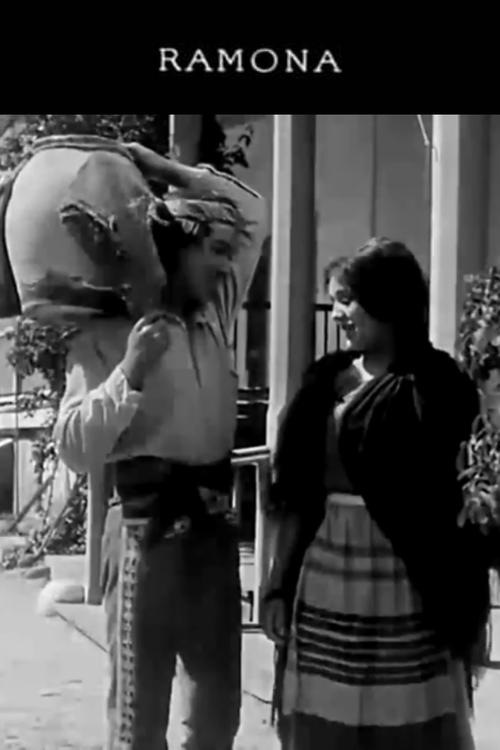
1910

1919
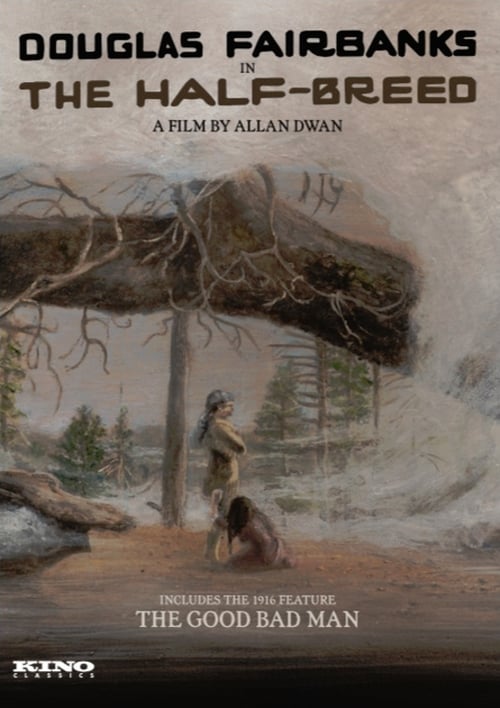
1916
No reviews yet. Be the first to share your thoughts on this movie!
Use the rating form above to leave a star rating and optional review.