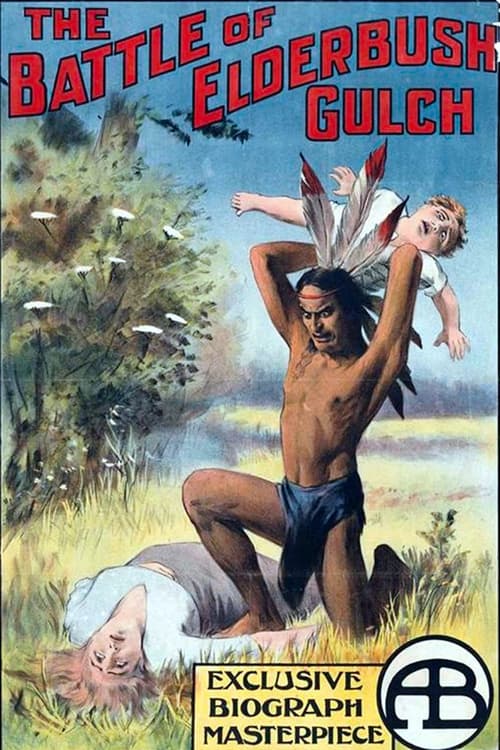
The Battle at Elderbush Gulch
1913
No user ratings available yet
Representation score: 0.3 out of 10
Representation Score
Minimal
1912
NRDirector
D.W. Griffith
Runtime
30 minutes
Average Rating
No ratings yetNew Showbiz Analysis
The film reflects the social hierarchies and colonialist clichés typical of 1912. It emphasizes a Eurocentric perspective through a narrative of frontier conflict and retaliation. Rather than offering complexity, the work reinforces traditional power structures. The focus on an Indian village massacre suggests a framework where Indigenous people are subjects of conflict rather than characters with ability to act. Ultimately, the film lacks representation across almost all progressive metrics, functioning as a conventional example of early cinematic expansionist motifs.
Category Breakdown
The film does not include any representation of LGBTQ+ identities or queer narratives. It follows the strict assumption that everyone is straight or cisgender, which was common in the early 1910s.
Female characters likely play passive or domestic roles, serving mainly as catalysts for male action. There is little evidence of women having independent roles or ability to act in this frontier setting.
The story focuses on the massacre of an Indian village, often portraying Indigenous populations as secondary figures. This framing likely supports colonialist hierarchies and Eurocentric viewpoints.
The plot aligns with Western expansionist themes and territorial conflicts. It lacks any challenge to Western institutions or critiques of the era's social dynamics.
There is no information about the depiction of physical disabilities or neurodivergence. This category remains unrepresented in the film.
Present on Screen
Limited or Absent
Official Synopsis
The story of the massacre of an Indian village, and the ensuing retaliation.
1913

1950
1954
1958
1957
1908
1904

1911
No reviews yet. Be the first to share your thoughts on this movie!
Use the rating form above to leave a star rating and optional review.