
In the Park
1915
No user ratings available yet
Diversity score: 2.6 out of 10
1905
Runtime
1 minutes
Average Rating
No ratings yetSynopsis
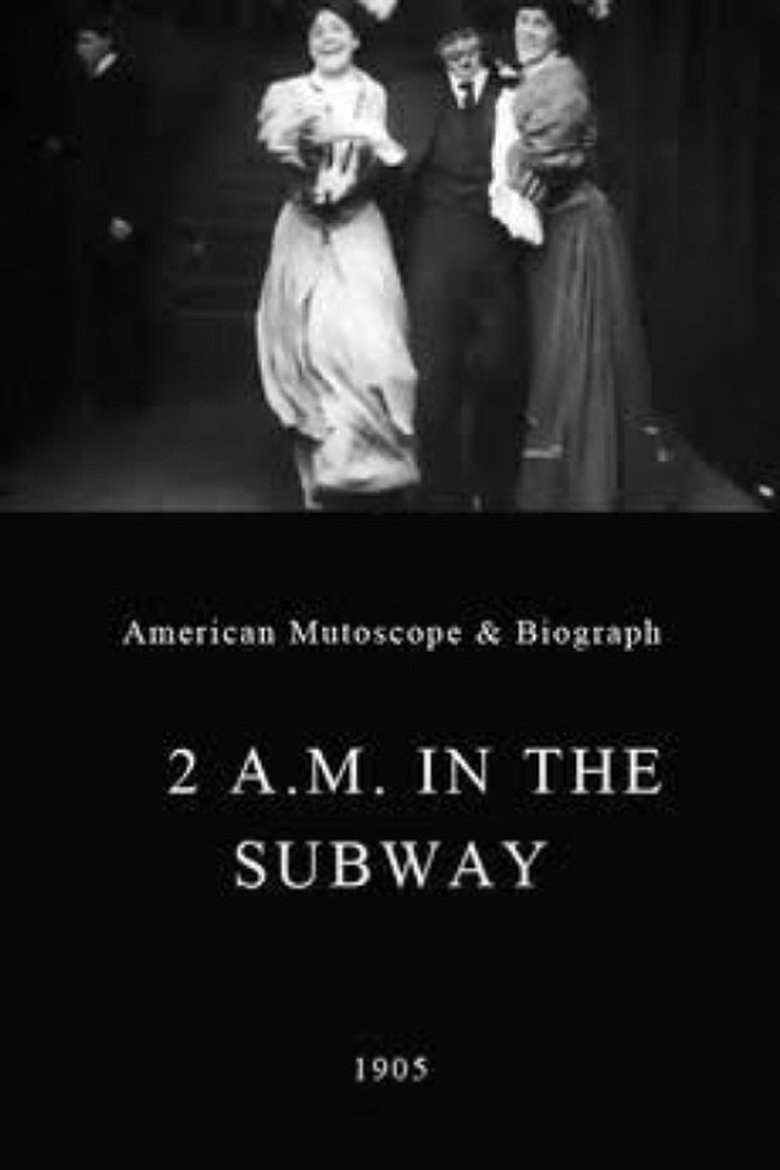
A constable and a subway attendant are working late at night in an underground station when a well-dressed man with a cigar in his teeth enters with his arms around two women dressed in long skirts and jackets, gloves, and fancy hats. The trio laugh and stumble on the platform as if having a hilarious time, getting the attention of the policeman who attempts to stop their bawdy behavior.
Overall Score
Limited
Category Breakdown
LGBTQ+ Representation
The film lacks any indication of LGBTQ+ characters or non-heteronormative identities. The central interaction involves a man accompanied by two women, following a traditional social grouping.
Gender Representation
Women are depicted engaging in bawdy behavior, which disrupts the era's rigid standards of submissive femininity. However, they remain secondary to the male characters and the constable's intervention.
Racial & Ethnic Diversity
The cast appears to reflect the homogeneous social structures of early 1900s urban Western cinema. There is no evidence of a diverse or non-Anglo-Saxon cast.
Religious & Cultural Diversity
The narrative explores social friction between public institutions and disruptive behavior. It frames the subversion of public order and social restraint as a source of comedic tension.
Disability Representation
No characters with visible or invisible disabilities are identified in this comedic vignette.
Strengths
Areas for Improvement
AI Analysis
This early silent comedy functions as a character study of urban nightlife and social decorum. It captures a brief moment of friction between authority figures and a group of socialites in a metropolitan setting. The film's primary diversity contribution is its slight subversion of gendered decorum. By showing women participating in uninhibited revelry, it challenges the period's expectations of female behavior, even if they remain secondary characters. Ultimately, the work reflects the demographic homogeneity and traditional social hierarchies typical of the era. It lacks the intersectional complexity or intentionality required for a more progressive representation.
1915
1915
1914
1936
1897
1914
1916
1907
1909
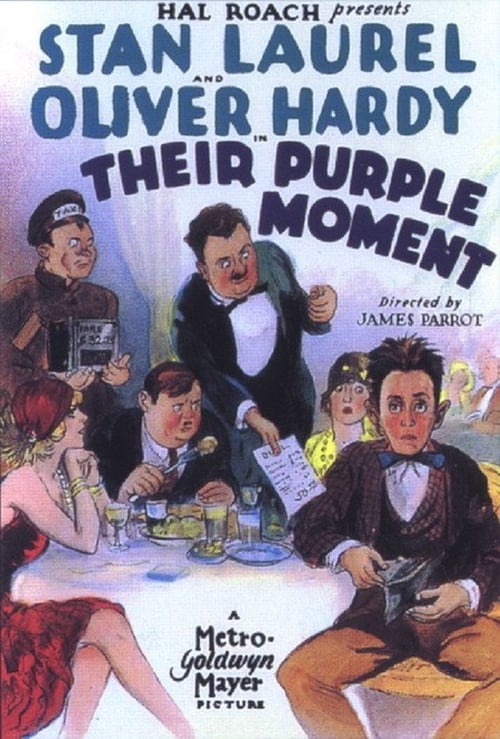
1928
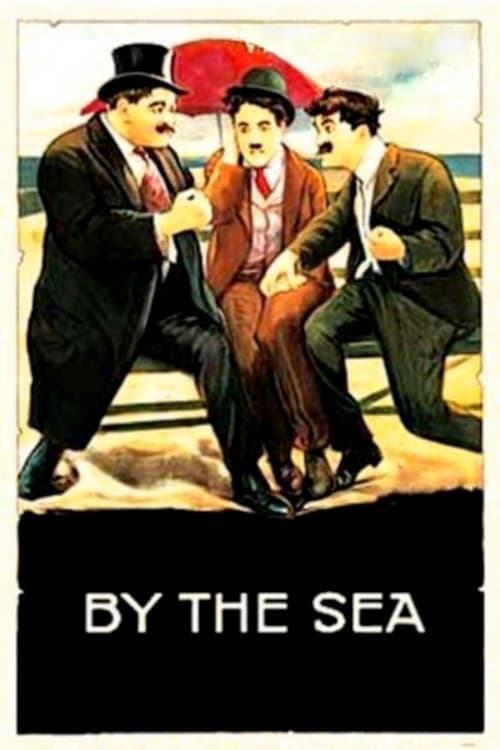
1915
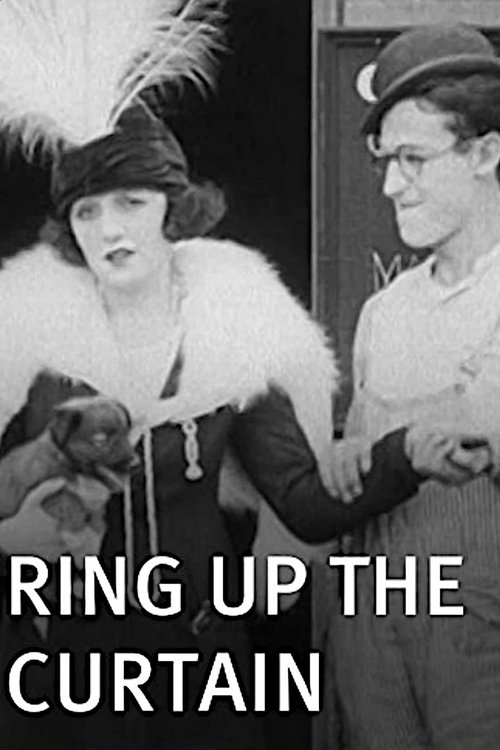
1919
No reviews yet. Be the first to share your thoughts on this movie!
Use the rating form above to leave a star rating and optional review.