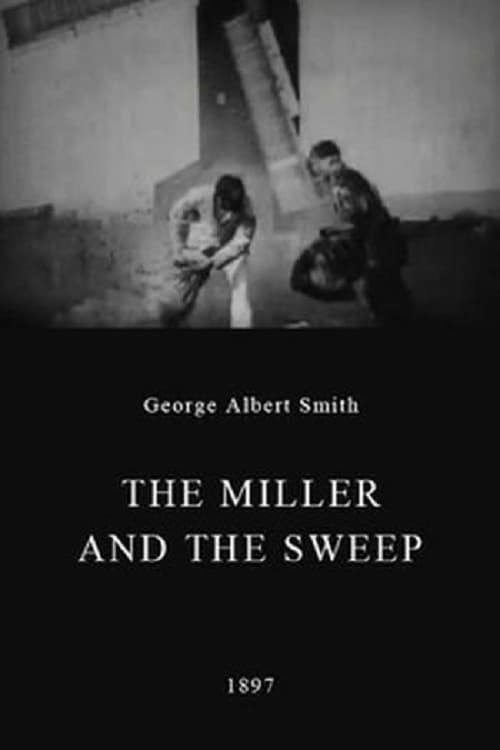
The Chimney Sweep and the Miller
1900
No user ratings available yet
Representation score: 0.5 out of 10
Representation Score
Minimal
1897
Director
George Albert Smith
Runtime
1 minutes
Average Rating
No ratings yetNew Showbiz Analysis
This early slapstick comedy serves as a kinetic artifact of late 19th-century British cinema. The narrative hinges on physical chaos between two working-class men, eschewing character-driven depth or social complexity. The film mirrors the demographic homogeneity of its era. It presents a traditional, male-centric space devoid of diverse identities, genders, or racial backgrounds. Ultimately, the work reflects the conventional social landscape of the 1890s, prioritizing visual comedy over the subversion of systemic hierarchies.
Category Breakdown
The film does not include any LGBTQ+ identities or queer subtext. The storyline focuses solely on a physical conflict between two male characters.
The narrative centers entirely on male characters engaged in physical struggle. There is no indication of women's ability to drive the story or challenging gender hierarchies.
The cast reflects a homogeneous demographic typical of late 19th-century Western industrial settings. There is no evidence of racial diversity or non-Anglo-Saxon representation.
The film portrays a localized, traditional working-class environment. It adheres to the conventional social structures of the time without explicitly criticizing Western institutions.
There is no evidence of characters with disabilities being portrayed with ability to act or integrated into the narrative.
Present on Screen
Limited or Absent
Official Synopsis
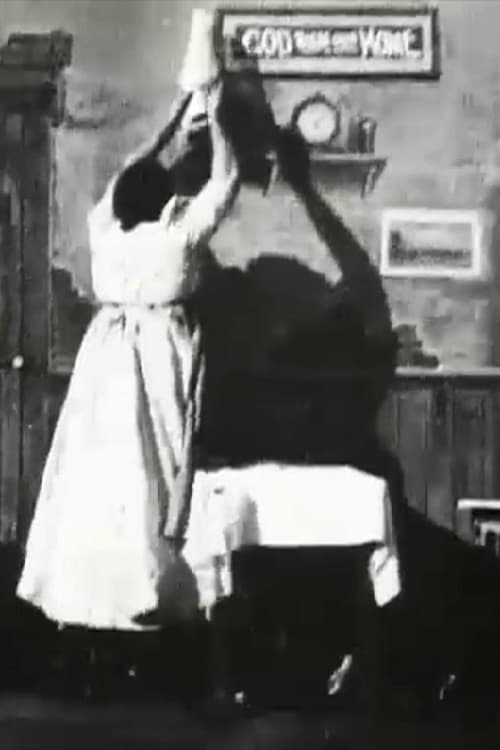
In front of a flour mill, two men fight. One is the miller, and he's swinging a bag of flour in the scuffle. The other is a chimney sweep, and he's swinging what may be a bag of flour, but when it breaks open, it's clearly something else. Well into the havoc, spectators gather and give chase to the flour-covered sweep and the "well-sooted" miller.
1900

1898
1897
1903

1897
1900
1898
1900
No reviews yet. Be the first to share your thoughts on this movie!
Use the rating form above to leave a star rating and optional review.