
A Night Out
1915
No user ratings available yet
Representation score: 1.7 out of 10
Representation Score
Minimal
1914
NRDirector
Charlie Chaplin
Runtime
11 minutes
Average Rating
No ratings yetNew Showbiz Analysis
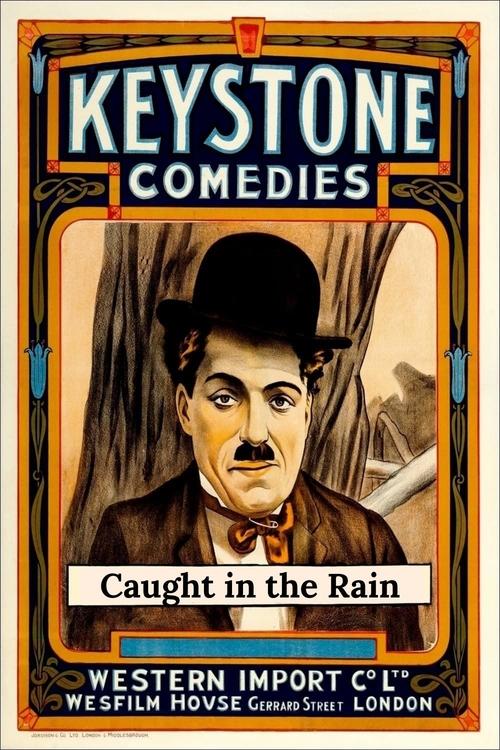
Caught in the Rain is a product of its era, functioning as a traditional situational comedy. It relies on the friction between a stable social unit and a disruptive outsider to drive its slapstick humor. The film lacks modern multi-layered complexity or intentional demographic diversity. It adheres to the conventional social structures of the early 20th century rather than attempting to subvert them through varied representation. However, the film contains the early seeds of Chaplin's career-long project. He uses the underrepresented Tramp character to expose the absurdity of rigid class-based hierarchies and social institutions.
Category Breakdown
The film centers on a heterosexual married couple and the Tramp. There is no evidence of LGBTQ+ identities or queer subtext within the plot.
The story relies on traditional gender roles, where a husband reacts with physical aggression. Chaos ensues in the hotel, but specific female empowerment remains unconfirmed.
Reflecting 1914 casting norms, the film appears to center on a homogeneous social setting. There is no indication of a non-white or multi-ethnic cast.
The film uses slapstick to deconstruct the dignity of formal social structures. The Tramp acts as a figure of socioeconomic instability clashing with established institutions.
There is no evidence regarding the depiction of physical or neurodivergent disabilities in this short.
Present on Screen
Limited or Absent
Official Synopsis
When a married couple become separated in the park, a tramp sits with the lady and is beat up when her husband rejoins her. He takes a room in their hotel, and chaos ensues.
1915

1923

1914

1915
1914
1915
1915
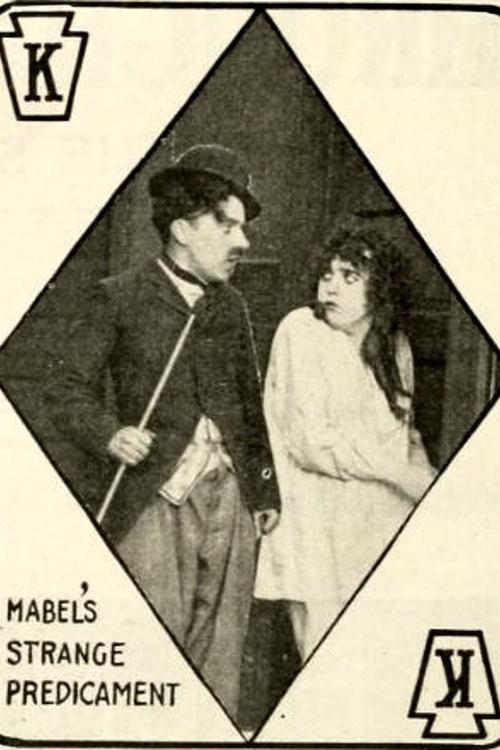
1914
No reviews yet. Be the first to share your thoughts on this movie!
Use the rating form above to leave a star rating and optional review.