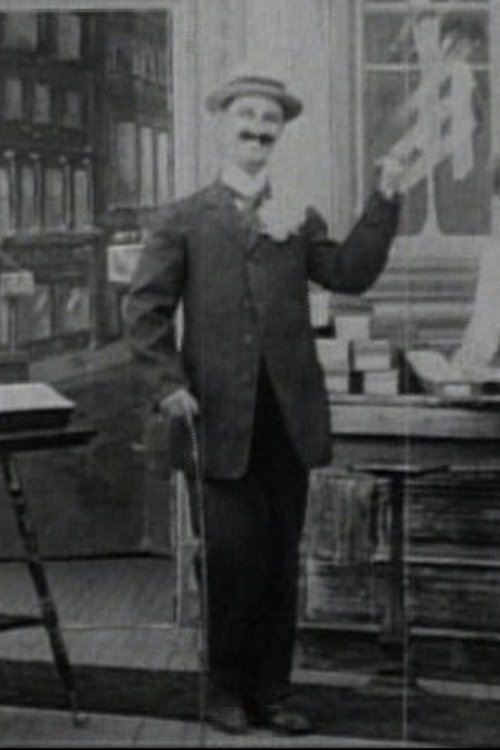
Mr. Flip
1909
No user ratings available yet
Representation score: 1.0 out of 10
Representation Score
Minimal
1907
Director
Louis Feuillade
Runtime
3 minutes
Average Rating
No ratings yetNew Showbiz Analysis
The film is a product of its time, serving as a primitive silent comedy where modern frameworks for inclusive representation did not yet exist. While the creative leadership includes pioneering figures like Alice Guy-Blaché, the content remains tied to the social homogeneity of 1907 France. Representation is largely absent, with the narrative focusing on physical comedy and domestic chaos. The film lacks diverse racial, cultural, or LGBTQ+ identities, reflecting the limited scope of early cinematic storytelling. Gender dynamics provide the only slight disruption of norms, as the male protagonist's incompetence in a domestic setting offers a mild subversion of traditional masculine authority.
Category Breakdown
The film does not include any LGBTQ+ narratives or characters with non-traditional gender identities. It centers on a slapstick premise focused on domestic life.
The story revolves around a bumbling man in a female-dominated household. This challenges traditional masculine authority through the bumbling man archetype, but still relies on period-specific clichés.
There is no indication of a multi-ethnic cast or diverse racial backgrounds. The production likely mirrors the homogeneous social structures of 1907 French cinema.
The film operates within the context of early 20th-century Western domesticity. It uses traditional social structures as a backdrop for physical comedy without a direct ideological critique.
The protagonist's clumsiness serves as a narrative device for slapstick humor rather than a meaningful exploration of disability. There is no evidence of neurodivergent or physical disability portrayed with real power.
Present on Screen
Limited or Absent
Official Synopsis
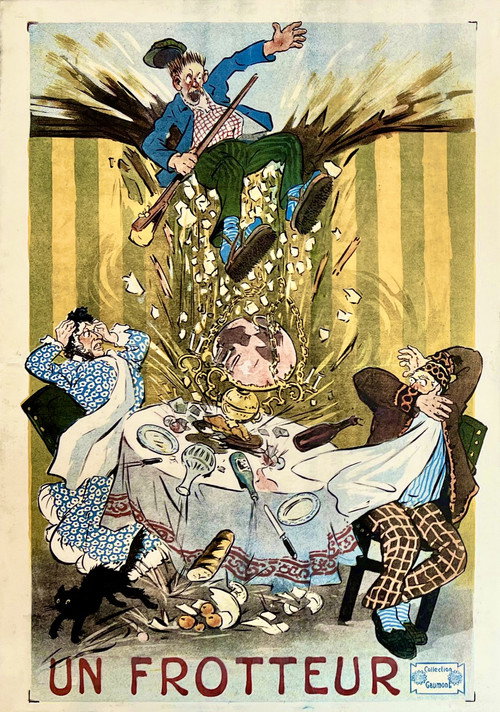
An extremely clumsy man tries to clean a woman's house with disastrous results.
1909
1912
1907

1911
1918
1903
1906
1900
No reviews yet. Be the first to share your thoughts on this movie!
Use the rating form above to leave a star rating and optional review.