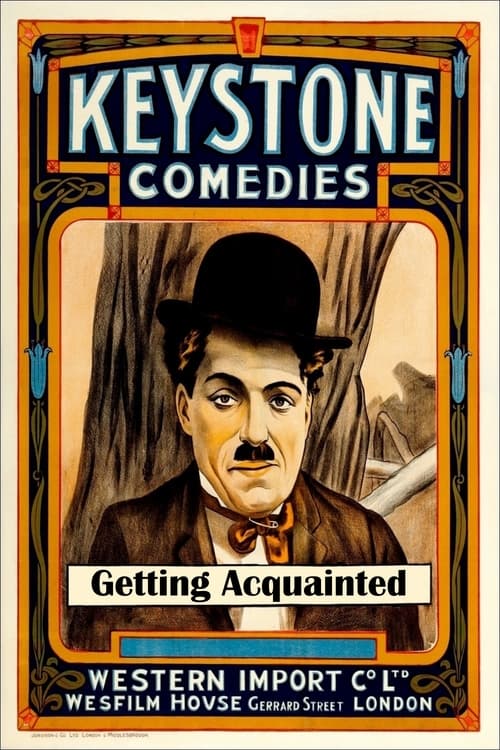
Getting Acquainted
1914
No user ratings available yet
Representation score: 0.5 out of 10
Representation Score
Minimal
1914
NRDirector
Charlie Chaplin, Joseph Maddern
Runtime
11 minutes
Average Rating
No ratings yetNew Showbiz Analysis
This 1914 short functions primarily as a traditional slapstick comedy. The plot centers on interpersonal conflicts, such as a man accusing the protagonist of theft and interactions with a policeman. While Chaplin is known for centering the underdog, this specific work lacks complex or diverse representation. The characters and social dynamics appear rooted in the era's standard, homogeneous social structures. Ultimately, the film relies on established comedic clichés rather than systemic subversion of gender, race, or identity hierarchies.
Category Breakdown
The film does not include any characters with LGBTQ+ identities. The central conflict revolves around a jealous suitor, which is a common romantic competition cliché.
The story follows a typical comedic structure. While Charlie Chaplin's character often challenges traditional masculinity through clumsiness, there are no actively leading female characters.
The setting suggests a localized, likely homogeneous social environment. There is no indication of diverse casting or a non-white majority cast.
The story focuses on early 20th-century social friction and slapstick humor. It depicts conflicts with authority and property owners through a standard comedic framework.
There is no information regarding the depiction of neurodivergence or physical disabilities. The narrative does not address mental health conditions.
Present on Screen
Limited or Absent
Official Synopsis
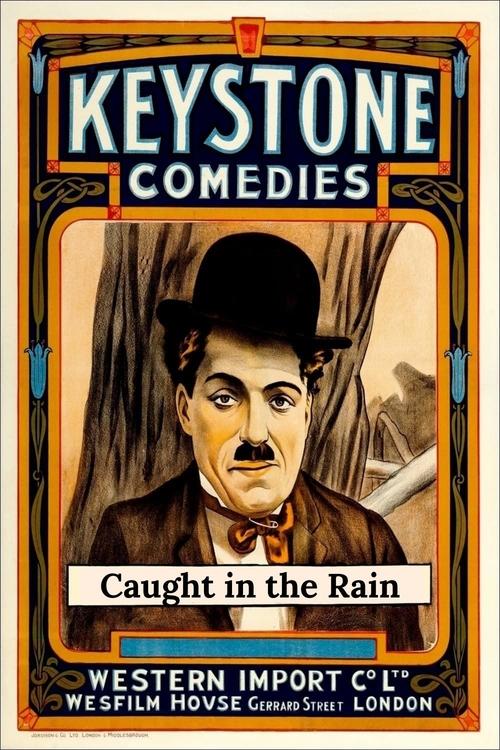
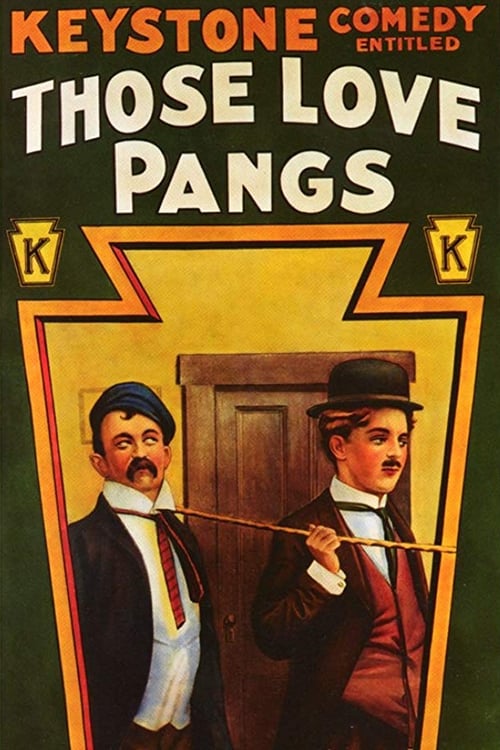
Charlie is hanging around in the park, finding problems with a jealous suitor, a man who thinks that Charlie has robbed him a watch, a policeman and even a little boy, all because our friend can't stop snooping.
1914
1924

1915
1914

1914
1914
1914

1914
No reviews yet. Be the first to share your thoughts on this movie!
Use the rating form above to leave a star rating and optional review.