
A Night Out
1915
No user ratings available yet
Representation score: 1.7 out of 10
Representation Score
Minimal
1915
NRDirector
Charlie Chaplin
Runtime
24 minutes
Average Rating
No ratings yetNew Showbiz Analysis
This 1915 short is a kinetic, gag-driven comedy that emphasizes physical disruption over social commentary. While Chaplin would later advocate for underrepresented groups, this early work remains grounded in the slapstick traditions of his era. The film lacks intentional engagement with identity or systemic issues. It depends on conventional stereotypes, such as the Orientalist harem dancer, rather than providing nuanced or layered representation. Overall, the narrative centers on situational chaos within a formal institution, offering limited diversity or deconstruction of power structures.
Category Breakdown
The film does not include any LGBTQ+ characters or explore non-straight identities. The focus is on physical humor and chaos.
Female characters like Edna and the harem dancer appear but mainly react to the chaos. The film does not challenge traditional gender roles.
Casting follows the homogeneity typical of its time. The harem dancer character suggests the use of stereotypical Orientalist images.
The story adheres to a traditional Western entertainment format. Humor comes from disrupting theater decorum, not diverse cultural viewpoints.
There are no visible or hidden disabilities that play a central role in the characters or the plot.
Present on Screen
Limited or Absent
Official Synopsis
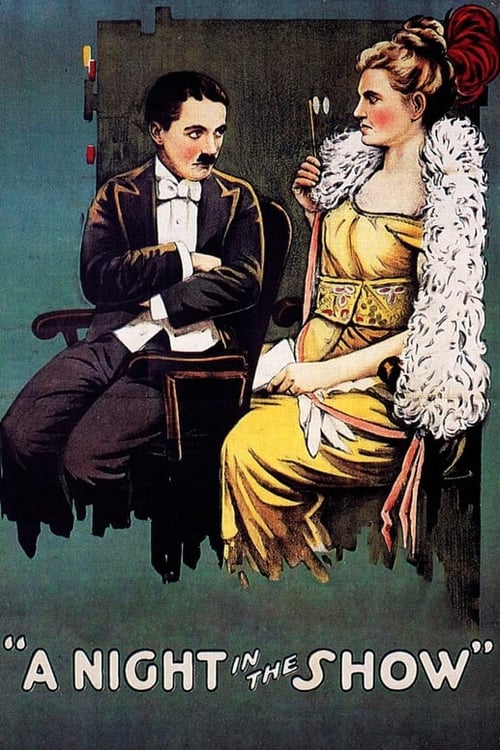
Two disruptive theater patrons, the wealthy drunk Mr. Pest (played by Charlie Chaplin) and the rowdy working-class Mr. Rowdy (also played by Chaplin), attend a live vaudeville theater production. Their constant antics, seat-hopping, and physical altercations quickly overshadow the acts on stage and plunge the entire theater into absolutely hilarious chaos.
1915
1914

1914
1914
1914
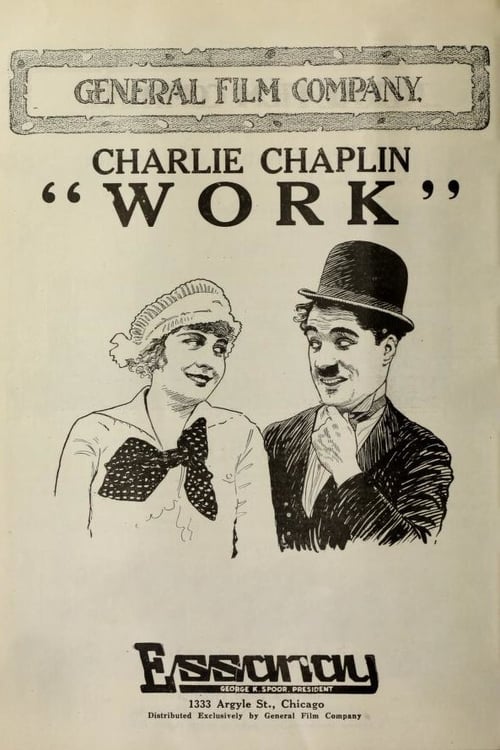
1915
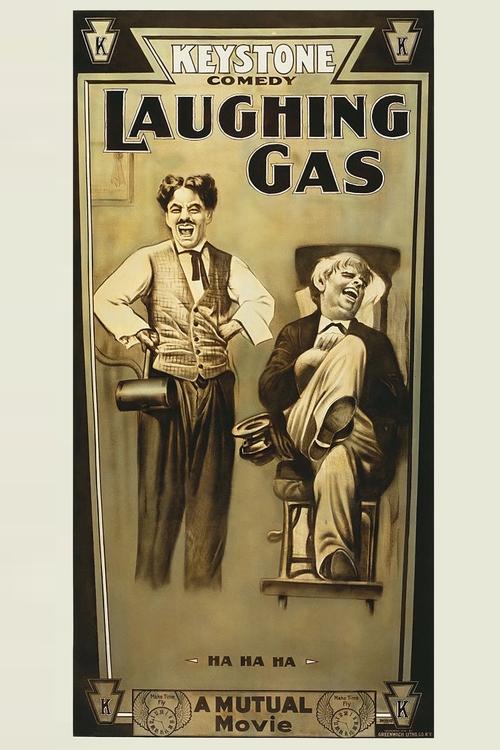
1914
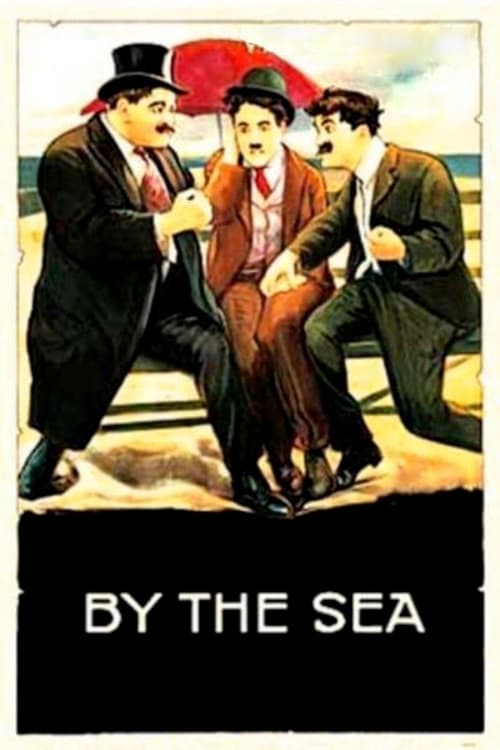
1915
No reviews yet. Be the first to share your thoughts on this movie!
Use the rating form above to leave a star rating and optional review.