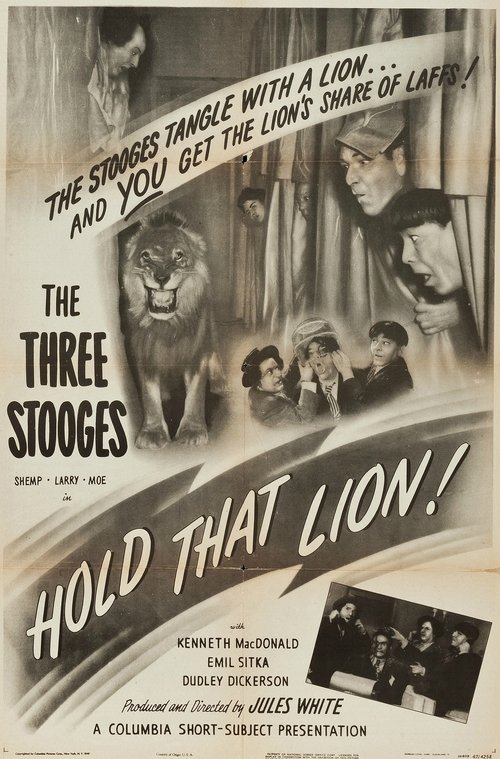
Hold That Lion!
1947
No user ratings available yet
Representation score: 0.2 out of 10
Representation Score
Minimal
1936
NRDirector
Jack White
Runtime
20 minutes
Average Rating
No ratings yetNew Showbiz Analysis
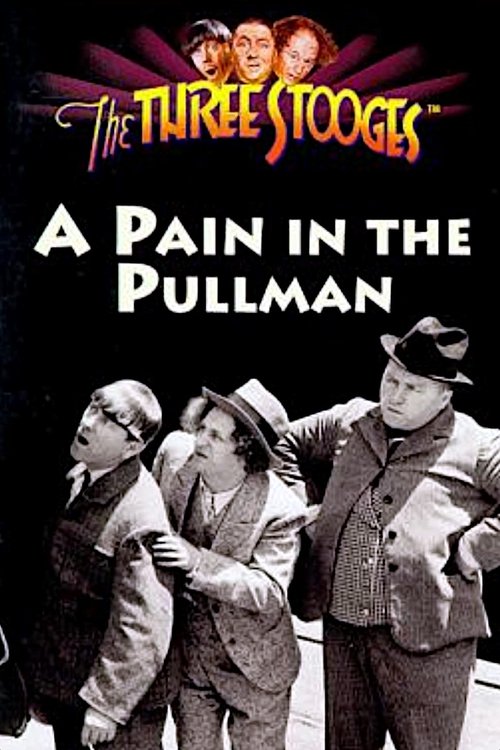
A Pain in the Pullman is a product of its era, prioritizing physical slapstick over social substance. The narrative relies on established comedic clichés that reinforce the status quo rather than challenge it. The film's structure is built around the disruption of order, using the protagonists' antics to create humor. However, this disruption is low-stakes and does not extend to any meaningful representation of diverse identities. Ultimately, the production reflects the homogeneous social frameworks of mid-1930s mainstream entertainment, offering little in the way of multi-layered or systemic subversion.
Category Breakdown
The film does not include any queer narratives or non-cisgender identities. It follows the social structures typical of the 1930s.
The comedy focuses on male-driven slapstick clichés involving the characters. Female characters seem to play supporting or reactive roles without much ability to act.
The setting reflects the homogeneous social norms of 1930s cinema. The cast centers on white protagonists without meaningful ethnic diversity.
The comedy is driven by the disruption of social decorum rather than cultural critique. It uses standard slapstick to mock authority figures like the conductor.
There is no evidence regarding the inclusion of characters with visible or invisible disabilities.
Present on Screen
Limited or Absent
Official Synopsis
The stooges are small time actors traveling by train to an engagement. Along with their pet monkey, they manage to spoil the trip for quite a few of the other passengers including the conductor and a big movie star. Eventually their antics get out of hand and they are literally tossed off the train.
1947

1931
1938
1950
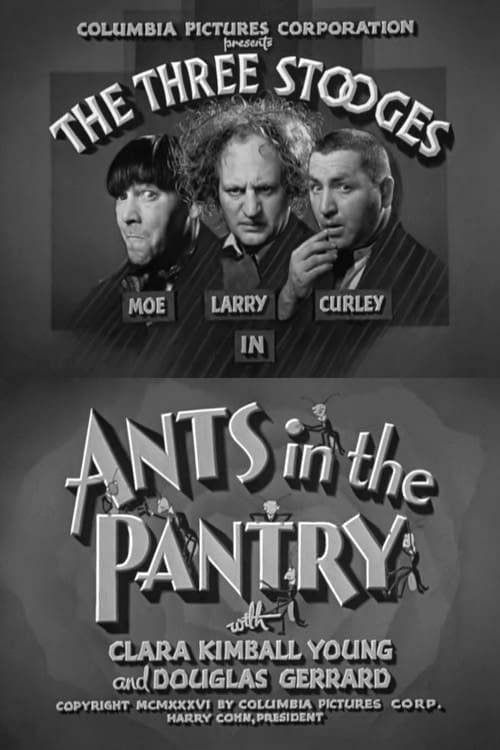
1936
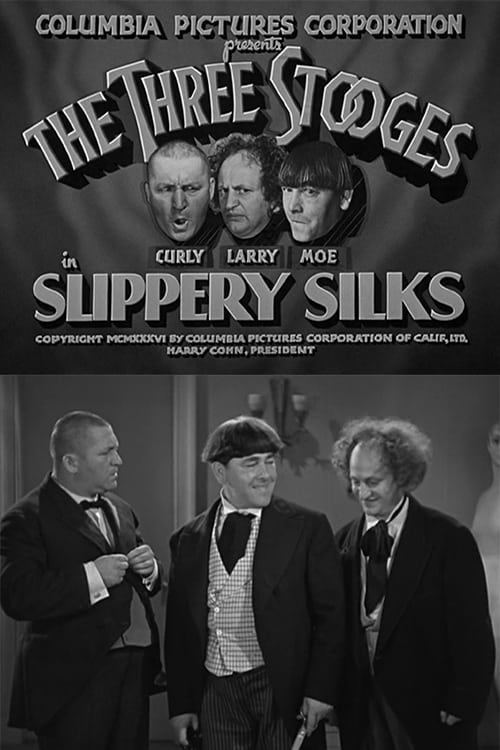
1936
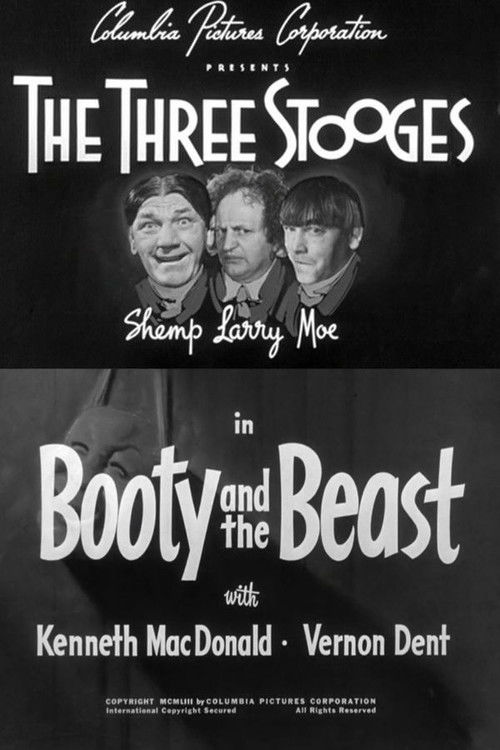
1953
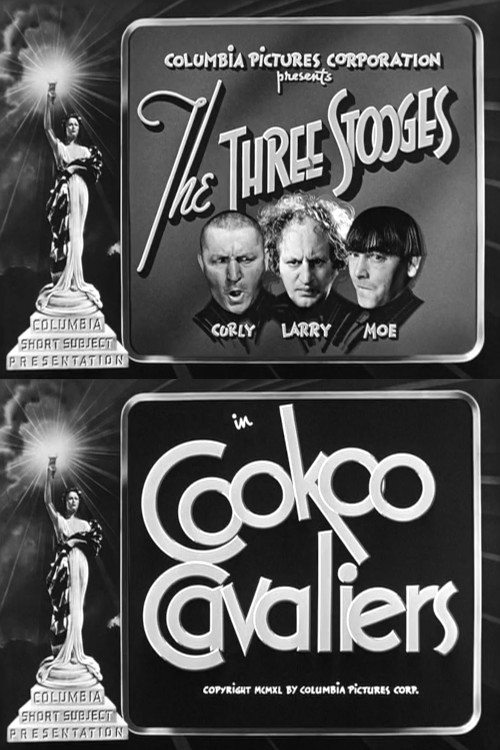
1940
No reviews yet. Be the first to share your thoughts on this movie!
Use the rating form above to leave a star rating and optional review.