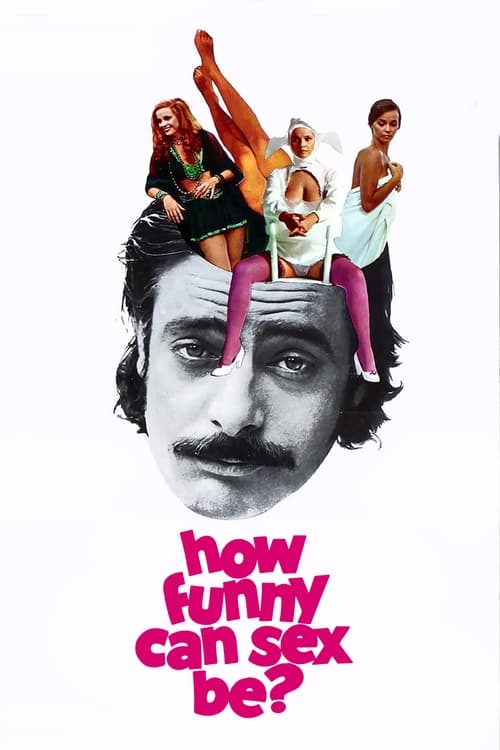
How Funny Can Sex Be?
1973
No user ratings available yet
Diversity score: 5.0 out of 10

1971
Director
Dino Risi
Runtime
112 minutes
Average Rating
No ratings yetSynopsis
The film consists of twelve episodes, all with Monica Vitti as the protagonist.
Overall Score
Fair
Category Breakdown
LGBTQ+ Representation
The film explores unconventional lifestyles typical of 1970s comedy. However, it lacks explicit queer-centric narratives or non-cisnormative identities.
Gender Representation
Monica Vitti leads the film through twelve episodes, portraying complex, non-submissive characters. This structure prioritizes female agency and intellectual autonomy over the traditional patriarchal gaze.
Racial & Ethnic Diversity
The film reflects the demographic homogeneity of 1971 Italy. There is no evidence of significant racial blending or non-majority casting within the narrative.
Religious & Cultural Diversity
Risi uses satire to critique the rigidity of the nuclear family and religious morality. The episodic format challenges traditional Western institutional imperatives.
Disability Representation
The film focuses on neurotypical social maneuvering. There is no confirmed intentional representation of physical or neurodivergent disabilities.
Strengths
Areas for Improvement
AI Analysis
Dino Risi’s comedy serves as a significant study of gendered agency. By centering the narrative on Monica Vitti’s multifaceted experiences, the film disrupts the era's tendency to treat women as static supporting characters. While the film provides a meaningful departure from traditional hierarchies through its female-led structure, it lacks the intersectional breadth found in modern cinema. It remains largely confined to the social constraints of its time. The work excels in its subversion of domestic expectations but offers limited visibility regarding racial, queer, or disability-related identities.
1973

1969

1963

1968
1982

1964

1953

1968
1986

1964

1965

1972
No reviews yet. Be the first to share your thoughts on this movie!
Use the rating form above to leave a star rating and optional review.