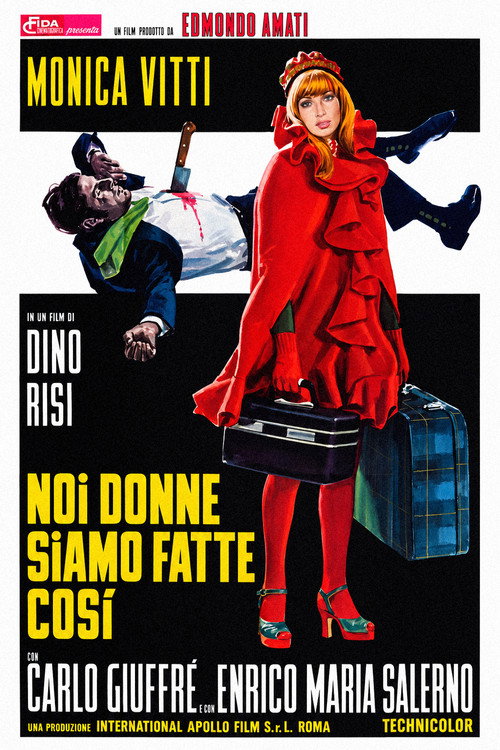
That's How We Women Are
1971
No user ratings available yet
Diversity score: 5.8 out of 10
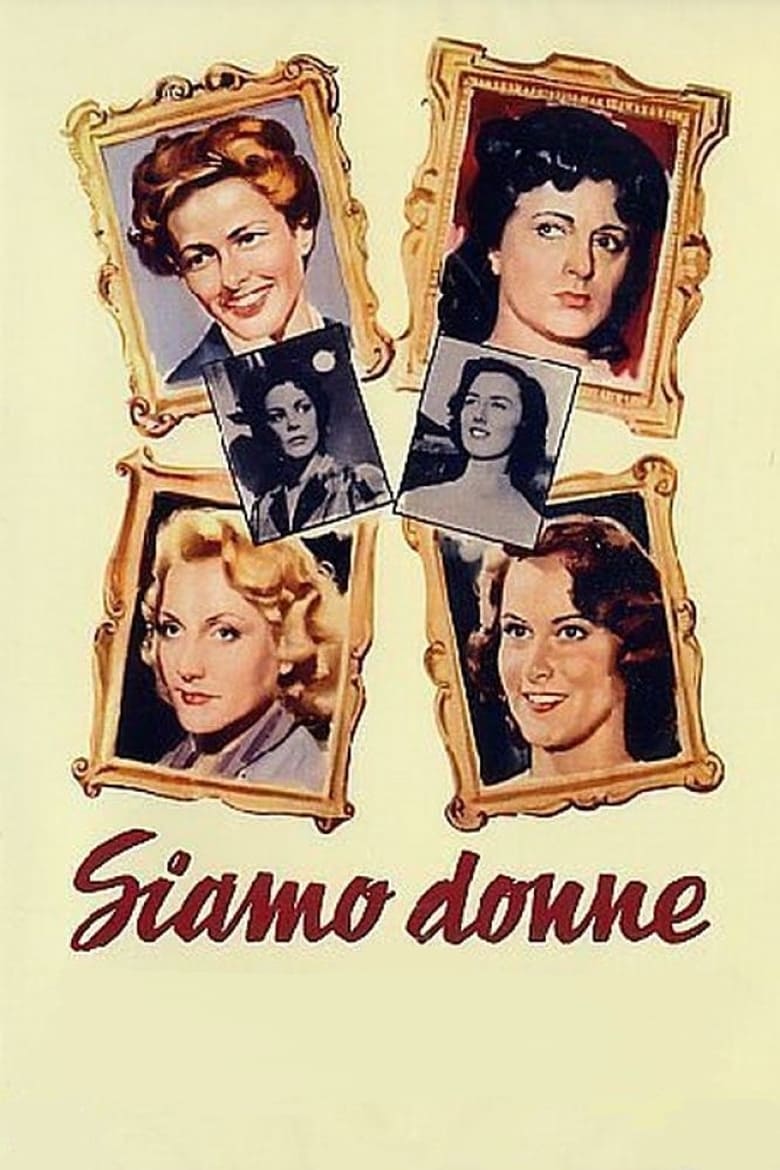
1953
Director
Gianni Franciolini, Alfredo Guarini, Roberto Rossellini, Luchino Visconti, Luigi Zampa
Runtime
97 minutes
Average Rating
No ratings yetSynopsis
Five portraits of actresses in their "common" life, seen as women rather than movie stars.
Overall Score
Good
Category Breakdown
LGBTQ+ Representation
The film focuses on the domestic and professional realities of women in post-war Italy. There are no explicit depictions of non-heteronormative identities or queer narratives documented.
Gender Representation
This anthology disrupts traditional hierarchies by centering female agency and subjective experience. It moves beyond submissive tropes to present women as complex individuals navigating systemic challenges.
Racial & Ethnic Diversity
The cast is predominantly homogeneous, reflecting the historical context of 1953 Italy. While it avoids harmful stereotypes, the film lacks intersectional racial diversity.
Religious & Cultural Diversity
The narrative deconstructs idealized celebrity imagery to critique post-war social structures. It favors a complex, humanistic view of social roles over singular, institutionalized moralities.
Disability Representation
There is no significant evidence regarding the portrayal of physical or neurodivergent disabilities in this work.
Strengths
Areas for Improvement
AI Analysis
We, the Women is a significant cinematic document that challenges the male-centric gaze of the mid-century era. By stripping away the artifice of movie star personas, the film prioritizes the internal lives and agency of its female subjects. While the film excels in its radical commitment to female subjectivity, it remains limited by the era's lack of intersectional breadth. The narrative is largely confined to a Eurocentric framework, lacking significant racial or LGBTQ+ representation. Ultimately, the film's strength lies in its structural decision to explore womanhood through a nuanced, humanistic lens rather than through idealized archetypes.
1971
1985
1966
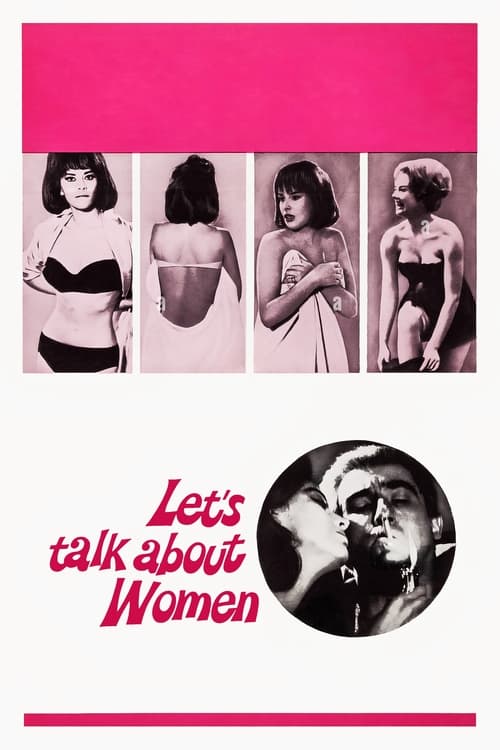
1964
1965
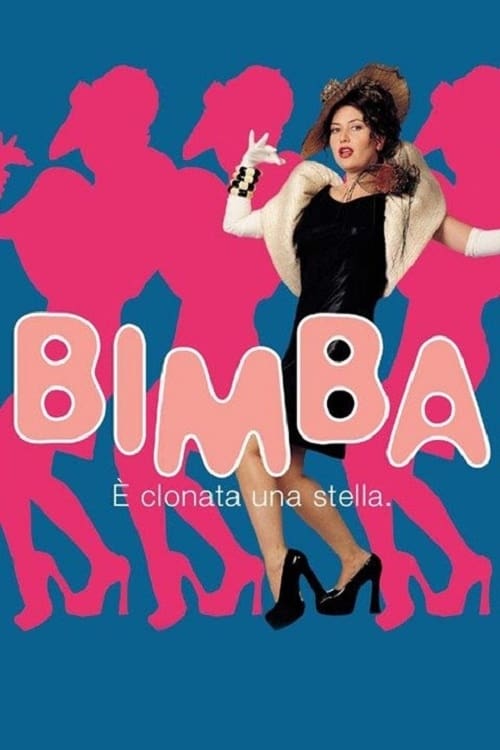
2002
1950
1965
1952
2015
2008
1973
No reviews yet. Be the first to share your thoughts on this movie!
Use the rating form above to leave a star rating and optional review.