
This Above All
1942
No user ratings available yet
Diversity score: 2.2 out of 10
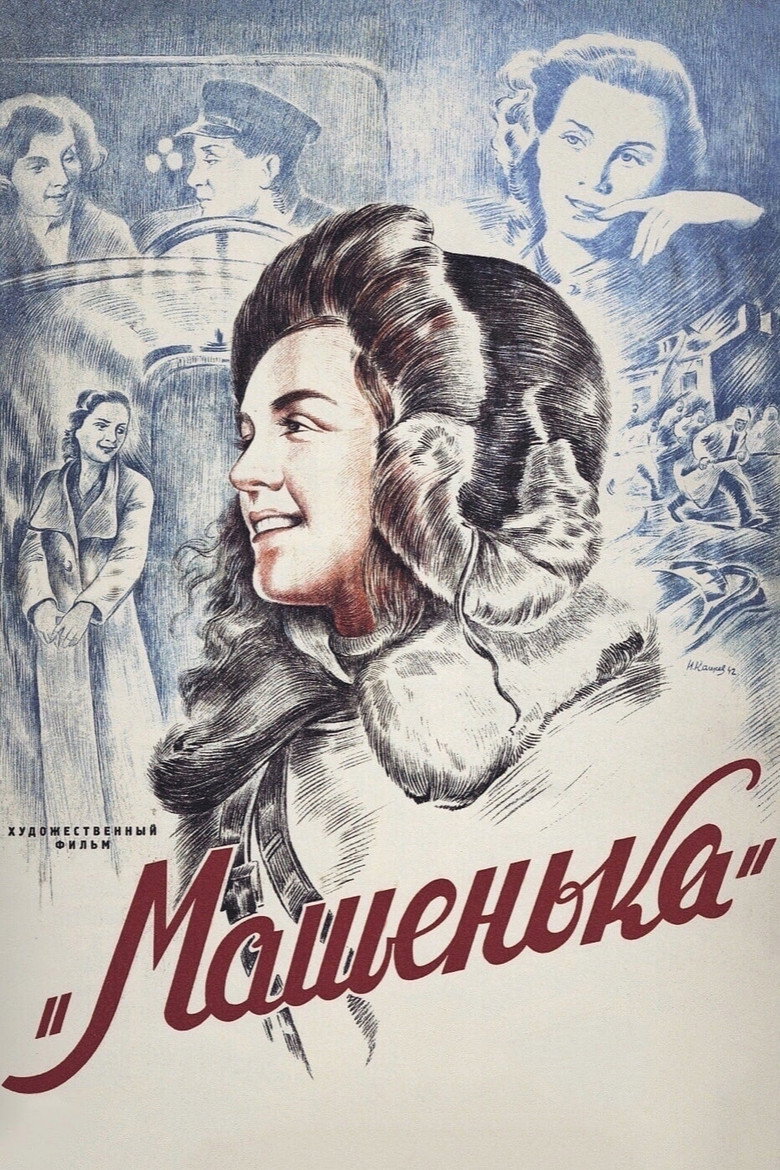
1942
Director
Yuli Raizman
Runtime
72 minutes
Average Rating
No ratings yetSynopsis
Lovely telegraph operator Masha Stepanova is a sanitary nurse. During a training alarm, she meets a taxi driver Alexei (Alyosha) Solovyov. He reads verses to a girl and invites her to the theater. But at the appointed time, Alyosha doesn't come, and Mashenka finds him, helps to recover. Young people fell in love with each other, but Alexei was too frivolous, and brings the girl a lot of sorrows and insults. Because of Alexei’s hobby for another girl, Masha breaks up with him. But she will be able to convey her faithful and true-hearted feeling through years of separation and the hardships of wartime, and when they meet again at the front of the Finnish War, Solovyov realizes what a gift of fate was meeting him with this girl.
Overall Score
Limited
Category Breakdown
LGBTQ+ Representation
The film operates within a strictly heteronormative framework. There is no evidence of non-cisnormative gender identities or same-sex intimacy.
Gender Representation
Masha is portrayed as a vital participant in industrial and medical infrastructure as a telegraph operator and nurse. However, her agency is tethered to state service and feminine virtue.
Racial & Ethnic Diversity
The cast is ethnically homogeneous, reflecting a predominantly Slavic demographic. This singular ethnic identity is used to foster national solidarity during the war.
Religious & Cultural Diversity
The narrative is rooted in secularism and state-centered collectivism. It substitutes religious motifs with patriotic duty and the concept of the heroic worker.
Disability Representation
There are no discernible depictions of physical or neurodivergent disabilities. Characters are presented as able-bodied participants in the war effort.
Strengths
Areas for Improvement
AI Analysis
Mashenka functions as a tool of Socialist Realism, prioritizing national cohesion and state-aligned morality over individualist narratives. The film's structure reinforces traditional social hierarchies to bolster unity during the Great Patriotic War. While the film offers some nuance regarding female agency through Masha's professional roles, it remains bound by the era's expectations of feminine endurance. The lack of intersectional representation is a direct result of the film's focus on a unified, homogeneous identity. Ultimately, the work reflects the 1942 Soviet emphasis on social stability and patriotic duty rather than diverse or non-conformist perspectives.
1942

1931

1933
1943

1959
1957

1959
1971

2015
1941
1979
1993
No reviews yet. Be the first to share your thoughts on this movie!
Use the rating form above to leave a star rating and optional review.