Thunder Birds
1942
No user ratings available yet
Representation score: 1.8 out of 10
Representation Score
Minimal
1943
NRDirector
George Sidney
Runtime
71 minutes
Average Rating
No ratings yetNew Showbiz Analysis
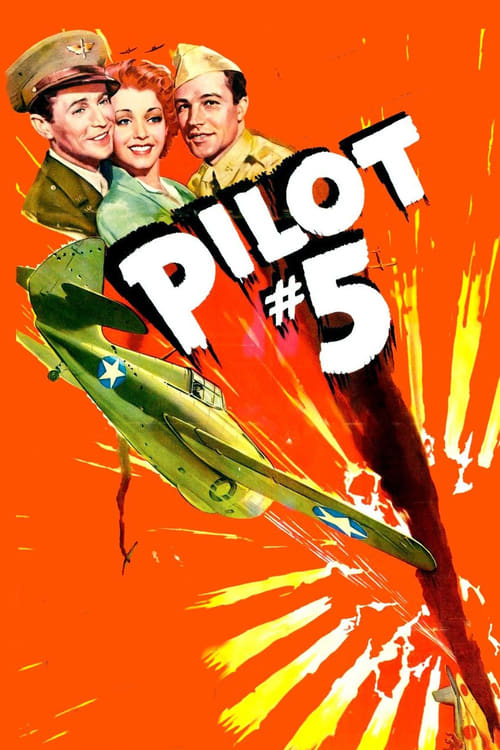
Pilot #5 is a conventional wartime drama that prioritizes themes of individual redemption and duty. The story follows a protagonist's journey from moral compromise to heroic sacrifice, adhering to the social hierarchies of the 1940s Hollywood studio system. The film relies on traditional clichés of masculine leadership and patriotism. While it delves into the complexity of George's past, the structural focus remains on aligning the individual with institutional expectations of valor. Ultimately, the work functions as a typical piece of period cinema that reinforces existing geopolitical and gendered binaries rather than challenging them.
Category Breakdown
The film focuses on a traditional romantic relationship between George Collins and Freddie. It does not include characters with non-traditional gender identities or stories that challenge the assumption that everyone is straight or cisgender.
The story centers on male leadership within military command and combat. While Freddie provides moral support for George, she does not drive the plot, which emphasizes masculine heroism.
Set in Java, the film highlights a racial divide typical of 1940s wartime cinema. The focus remains on Allied soldiers, reinforcing geopolitical divisions of the time.
The story upholds Western values such as patriotism and military service. The moral framework centers on restoring personal honor within a structured social order without questioning these institutions.
There is no mention of characters dealing with physical or neurodivergent disabilities in the narrative.
Present on Screen
Limited or Absent
Official Synopsis
A small group of Allied soldiers and airmen on Java are being bombed by Japanese 'planes daily. With only one working fighter of their own, and five pilots anxious to fly it, the Dutch commander chooses George Collins to fly a mission to drop a 500-lb bomb on the Japanese carrier lying offshore. As the flight progresses, the commander asks the other pilots to tell him about George. They recount his rise from brilliant law student, through the time he became involved in the corrupt machine of his state's Governor, and his attempts to redeem himself, both in his own eyes, and in Fredie, his long-time love.
1942
1957
1958
1927
1949
1949
1942

1942
No reviews yet. Be the first to share your thoughts on this movie!
Use the rating form above to leave a star rating and optional review.