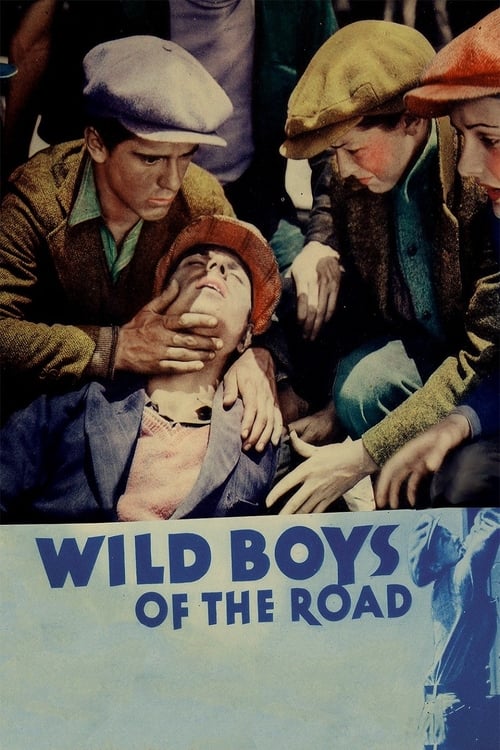
Wild Boys of the Road
1933
No user ratings available yet
Representation score: 3.6 out of 10
Representation Score
Good
1987
PGDirector
Sam Pillsbury
Runtime
93 minutes
Average Rating
No ratings yetNew Showbiz Analysis
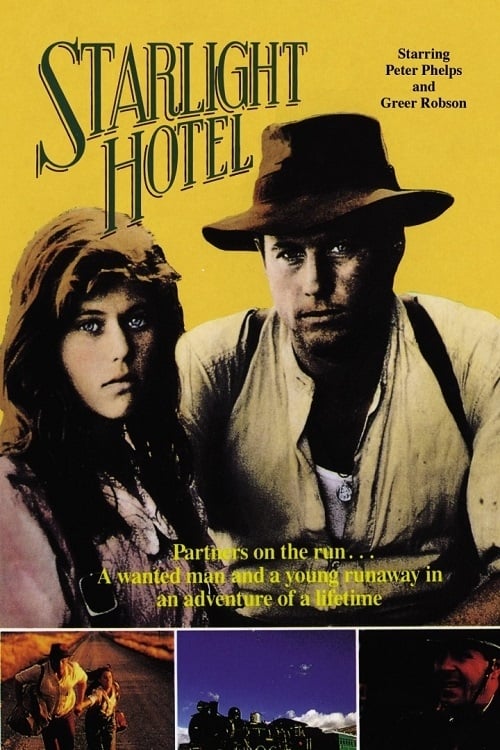
Starlight Hotel is a character-driven drama that finds its strength in social critique and women's ability to drive the story. By centering on a young girl navigating the hardships of the Great Depression, the film avoids traditional gender clichés and highlights resilience among the underrepresented. However, the film's diversity is limited by its historical setting and narrow demographic focus. The lack of racial and LGBTQ+ representation keeps the overall score modest, despite the meaningful portrayal of psychological trauma and systemic inequity.
Category Breakdown
The film does not include explicit LGBTQ+ characters or non-straight identities. The bond between Kate and Patrick is a supportive friendship rather than a queer narrative.
Kate, a 13-year-old girl, drives the plot who play a significant role in driving the story. She actively navigates a dangerous landscape instead of being passive, subverting the damsel in distress cliché.
Set during the Great Depression in New Zealand, the story focuses on a likely homogeneous settler population. There is no evidence of intentional racial blending or non-Anglo-Saxon representation.
The narrative critiques capitalist and legal institutions by centering on fugitives and squatters. It portrays the state as an antagonist to the displaced and destitute.
Patrick’s psychological trauma from World War I provides a depiction of invisible disability. His emotional scars are integrated into his character arc rather than used as a plot device.
Present on Screen
Limited or Absent
Official Synopsis
During the Great Depression, Kate (Greer Robson) is a 13-year-old girl living on New Zealand's South Island. When her mother dies and her father is offered a job in Wellington on North Island, Kate is sent to live with an aunt. The girl runs away to find her father, hopping onto a boxcar and befriending a fellow fugitive, Patrick (Peter Phelps), an emotionally battle-scarred WWI veteran fleeing the authorities after injuring a repo man. Pretending to be father and daughter, Patrick and Kate use each other for cover as they make their way across New Zealand, sleeping under the stars and championing the rights of destitute farmers and homeless squatters whose fortunes have been wiped out by economic hardship.
1933
1939

1999
1952

1997
1946
1986

1993
No reviews yet. Be the first to share your thoughts on this movie!
Use the rating form above to leave a star rating and optional review.