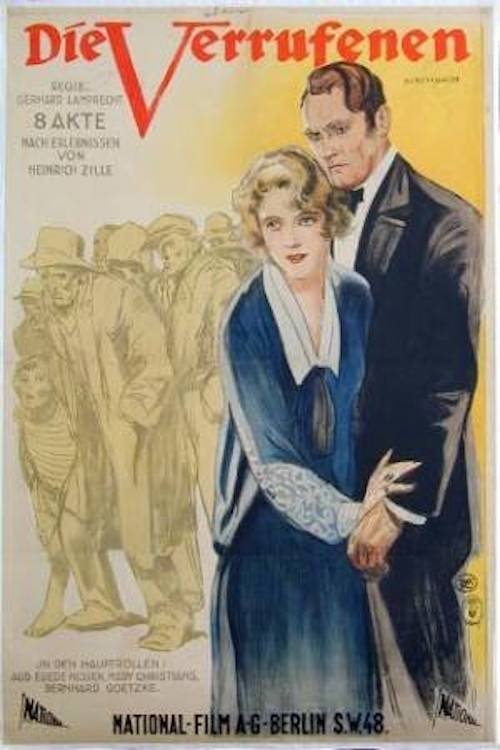
In the Slums of Berlin
1925
No user ratings available yet
Representation score: 5.6 out of 10
Representation Score
Fair
1925
Director
G.W. Pabst
Runtime
155 minutes
Average Rating
No ratings yetNew Showbiz Analysis
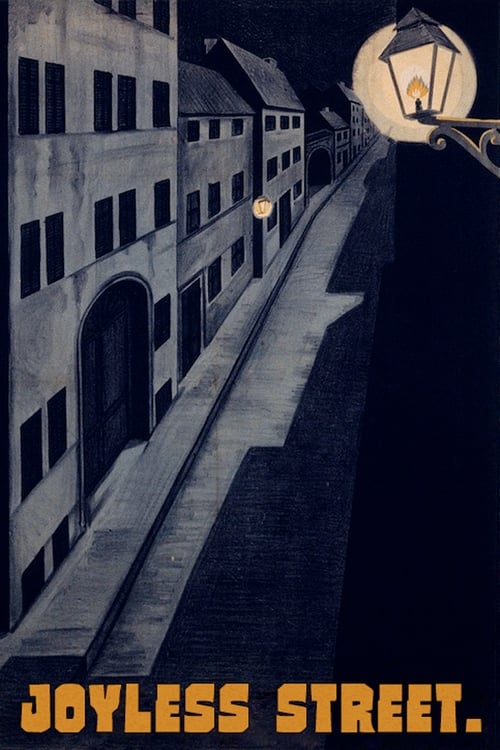
Joyless Street is a stark, realist examination of socioeconomic disintegration in post-WWI Vienna. It excels in its critique of Western institutions and deconstruction of traditional gender hierarchies, placing female endurance at the center of the struggle. However, the film is limited by its historical context, offering almost no racial or LGBTQ+ diversity. The narrative remains focused on a homogeneous European population and survivalist tactics. Ultimately, the film's strength lies in its systemic analysis rather than individual representation, highlighting institutional failure through the collapse of family and morality.
Category Breakdown
The film lacks explicit LGBTQ+ characters or narratives. Relationships are primarily focused on survivalist heterosexual interactions during economic collapse.
The narrative centers on women's roles and ability to act, showing them as primary subjects navigating a collapsing social order. Masculinity is often portrayed through predatory or economically powerless behavior.
The cast is largely homogeneous, reflecting the historical context of 1920s Vienna. The film highlights class-based distinctions within a predominantly white European population.
The film critiques Western institutions, portraying capitalism and the state as predatory. Traditional morality is shown as unaffordable for the impoverished.
There is no intentional representation of neurodivergence or physical disabilities. The film focuses on the psychological and physical toll of starvation and poverty.
Present on Screen
Limited or Absent
Official Synopsis
In 1921, we follow two women - Marie and Grete - from the same poor Viennese neighborhood, as they try to better the lives of themselves and their families during the period of Austrian postwar hyperinflation.
1925

1929

1932

1925
1925
1945

1918
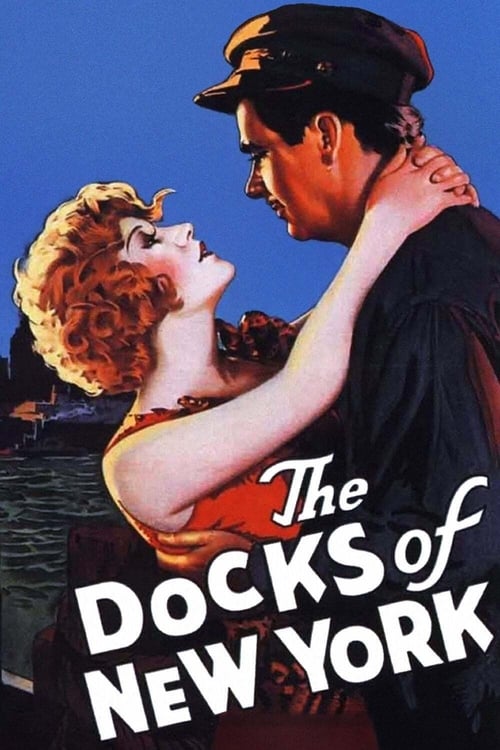
1928
No reviews yet. Be the first to share your thoughts on this movie!
Use the rating form above to leave a star rating and optional review.