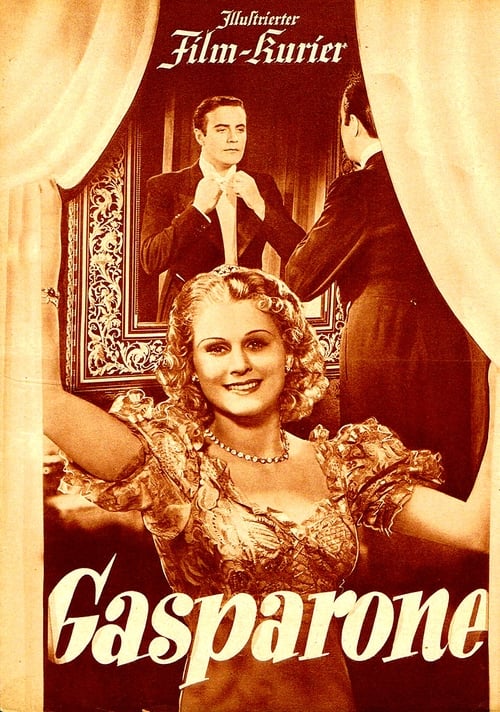
Gasparone
1937
No user ratings available yet
Diversity score: 2.8 out of 10
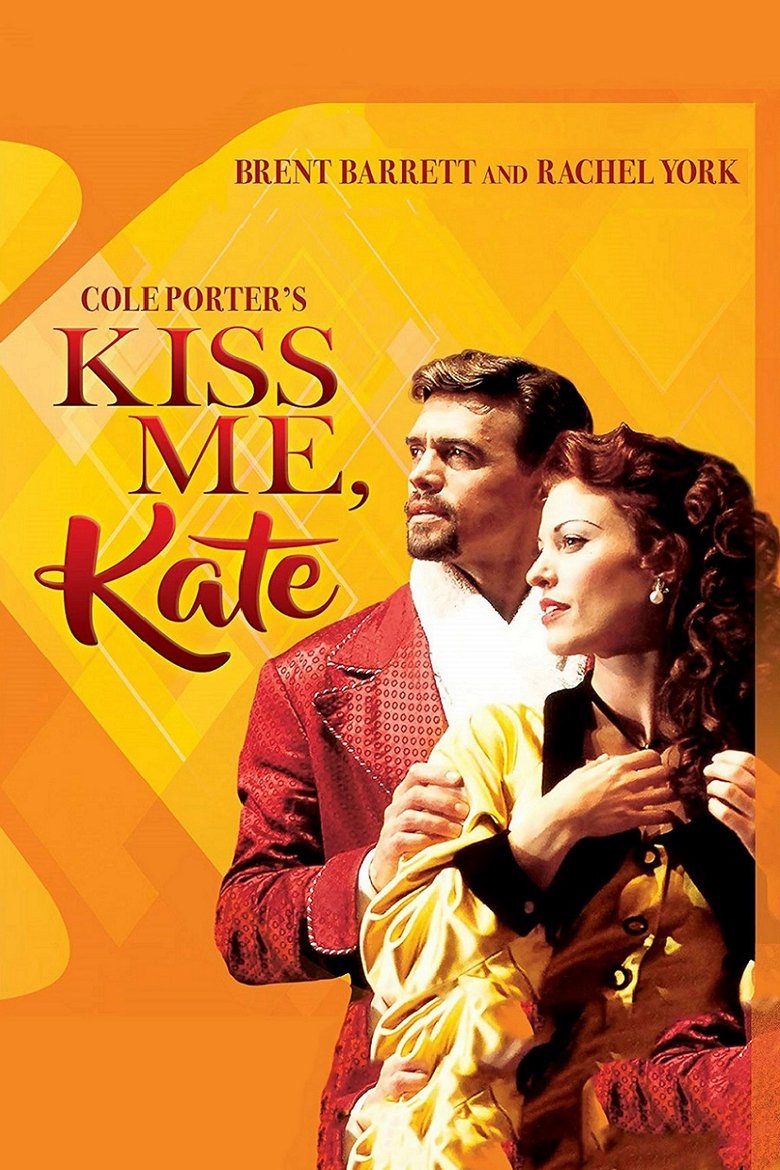
2003
Runtime
144 minutes
Average Rating
No ratings yetSynopsis
Cole Porter's beloved classic receives "Another Op'nin, Another Show", in this masterful 1999 London revival of the Tony Award winning musical Kiss Me, Kate! When the egotistical Fred Graham mounts a musical adaptation of The Taming of The Shrew (with himself as director, producer, and star) he’s got the perfect leading lady in mind: his movie star ex-wife! The fireworks both onstage and off between the two seem destined to explode the entire production…or will a romantic flame that’s Too Darn Hot be rekindled? With backstage shenanigans, gangsters brushing up their Shakespeare, and a collection of Porter tunes that any Tom, Dick, or Harry will love, Kiss Me, Kate remains an all-time favorite of musical fans from Padua to Peoria.
Overall Score
Limited
Category Breakdown
LGBTQ+ Representation
The film focuses on a central romantic couple without visible queer presence. There are no narratives that explicitly critique heteronormativity or feature non-cisnormative identities.
Gender Representation
The story relies on traditional gender dynamics derived from Shakespearean tropes. It lacks evidence of deconstructing patriarchal hierarchies or subverting the historical 'shrew' archetype.
Racial & Ethnic Diversity
The production appears to follow traditional casting norms of the early 2000s. It likely centers on a homogeneous ensemble rather than a diverse, non-Anglo-Saxon cast.
Religious & Cultural Diversity
The narrative operates within conventional musical theater frameworks. It focuses on theatrical troupe dynamics rather than exploring anti-Western or secularist themes.
Disability Representation
There is no mention of characters with visible or invisible disabilities within the narrative.
Strengths
Areas for Improvement
AI Analysis
Kiss Me, Kate (2003) is a traditional musical comedy that prioritizes genre tropes over progressive social commentary. The film leans heavily on established theatrical structures, focusing on a meta-narrative about divorced actors performing Shakespeare. The production lacks intersectional depth, offering little in the way of diverse representation or narrative subversion. It functions as a conventional piece that upholds traditional social and gender hierarchies rather than challenging them. Ultimately, the film serves as a standard genre exercise, favoring comedic timing and classic romantic conflict over modern, inclusive storytelling.
1937
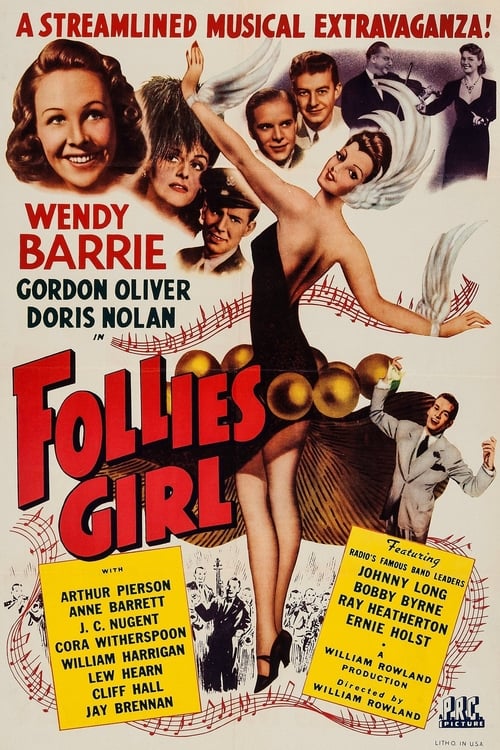
1943
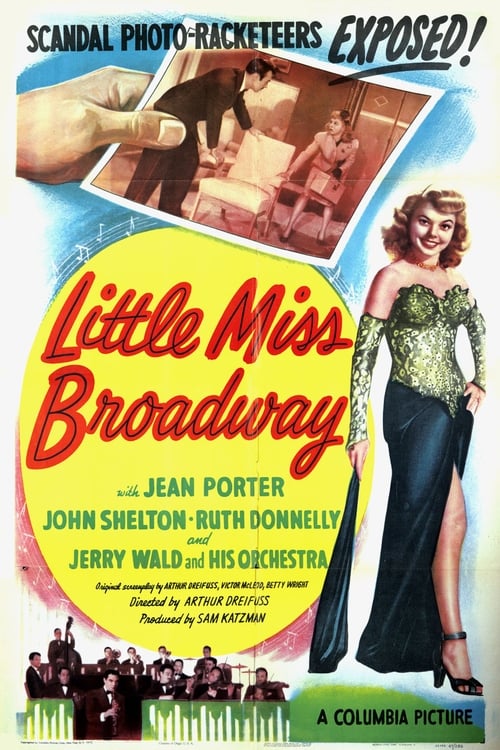
1947
1945

1935

1945
1951
1973

1934
1938
1954
1950
No reviews yet. Be the first to share your thoughts on this movie!
Use the rating form above to leave a star rating and optional review.