
Broadway Melody of 1936
1935
No user ratings available yet
Diversity score: 1.7 out of 10
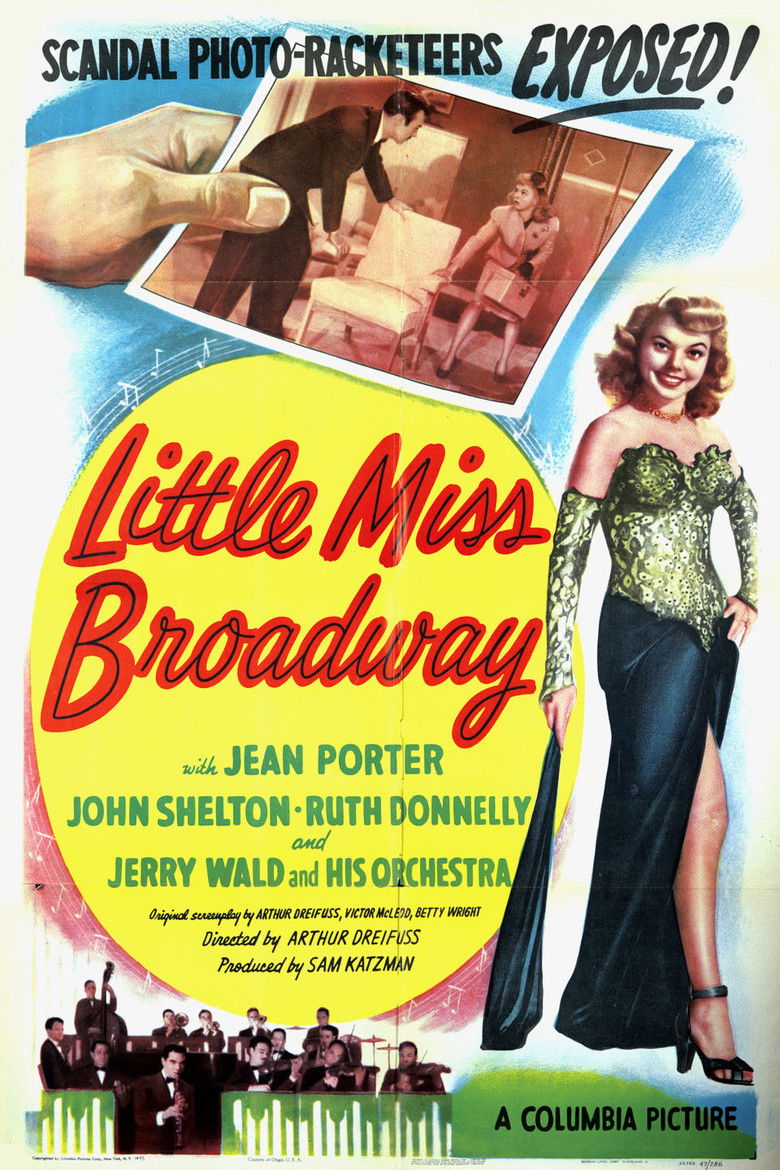
1947
ApprovedDirector
Arthur Dreifuss
Runtime
70 minutes
Average Rating
No ratings yetSynopsis
Upon leaving finishing school, Judy Gibson goes to meet her presumed wealthy and socially prominent relatives. However they are penniless Broadway characters and take possession of a Long Island mansion owned by an incarcerated thief so Judy doesn't find out the truth. Judy arrives with her fiancé and his father, who tries to sell worthless stock to Judy's family. They give him $200,000, part of the stashed loot they found belonging to the home-owner thief.
Overall Score
Limited
Category Breakdown
LGBTQ+ Representation
The film lacks any evidence of non-cisnormative identities or same-sex intimacy. It focuses on traditional romantic pairings, specifically the engagement between Judy and her fiancé, reinforcing heteronormative structures.
Gender Representation
Traditional gender roles define the narrative. While Judy acts as the catalyst, her journey centers on social standing and romance, while men drive the economic schemes and deceptions.
Racial & Ethnic Diversity
The story centers on white, upper-middle-class social climbing within Broadway culture. There is no indication of a diverse cast or the inclusion of non-Anglo-Saxon characters.
Religious & Cultural Diversity
The film reinforces Western values regarding social prominence and family units. Themes of finishing school and class hierarchy suggest a reinforcement of established social structures rather than a critique.
Disability Representation
There is no evidence of characters with visible or invisible disabilities within the narrative.
Strengths
Areas for Improvement
AI Analysis
Little Miss Broadway is a quintessential mid-century musical comedy designed for escapism. The plot relies on classic tropes of class disparity, mistaken identity, and the pursuit of wealth through deception. The film functions primarily to reinforce the social and cultural status quo of 1947. It prioritizes lighthearted entertainment and traditional romantic structures over any exploration of marginalized identities. Ultimately, the narrative lacks intersectional complexity. It adheres to the studio system's standard patterns, focusing on conventional hierarchies rather than disrupting them.
1935
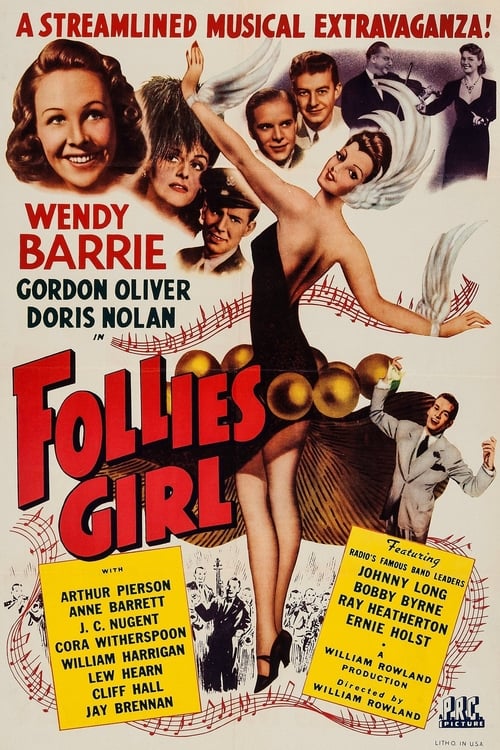
1943
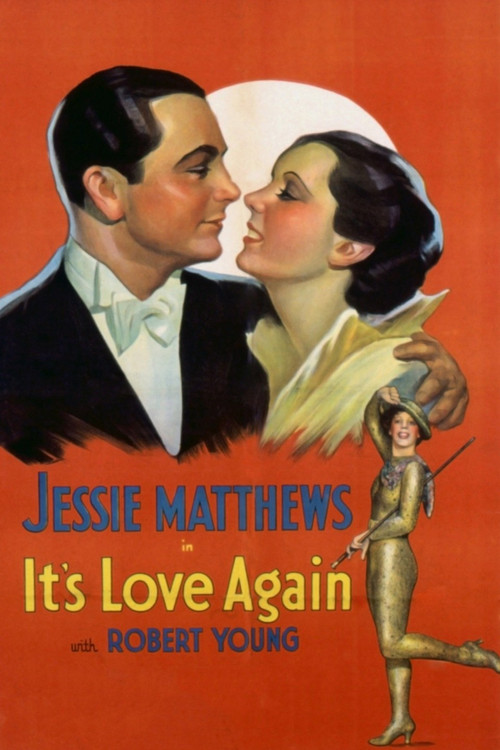
1936
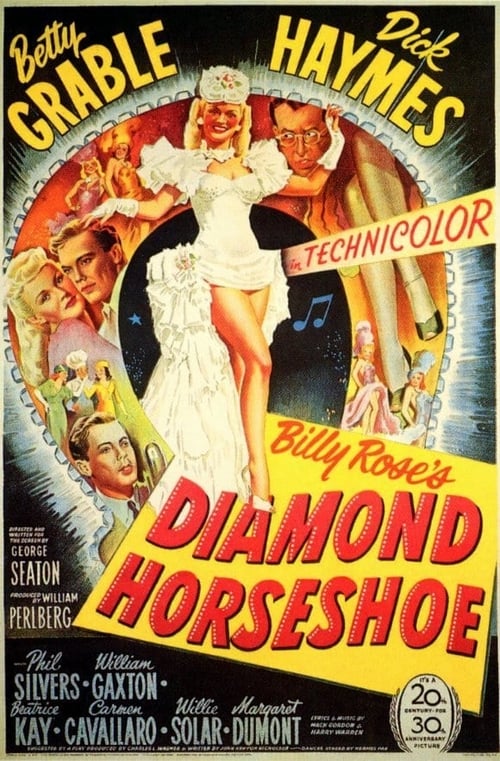
1945
1940
1944
1940
1942
1951
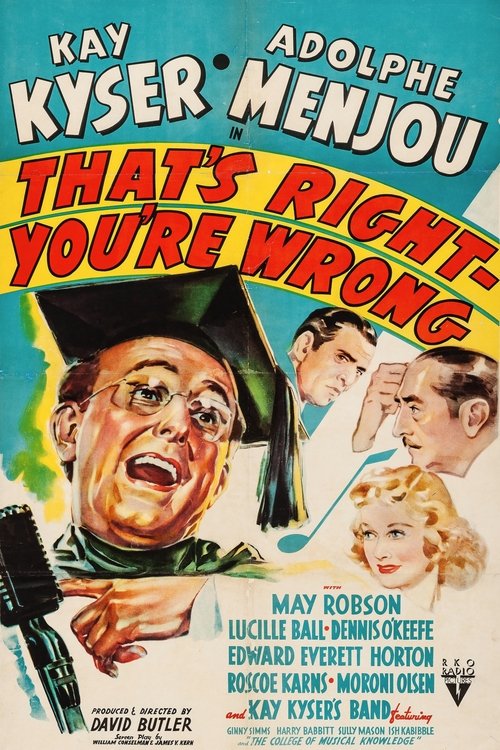
1939
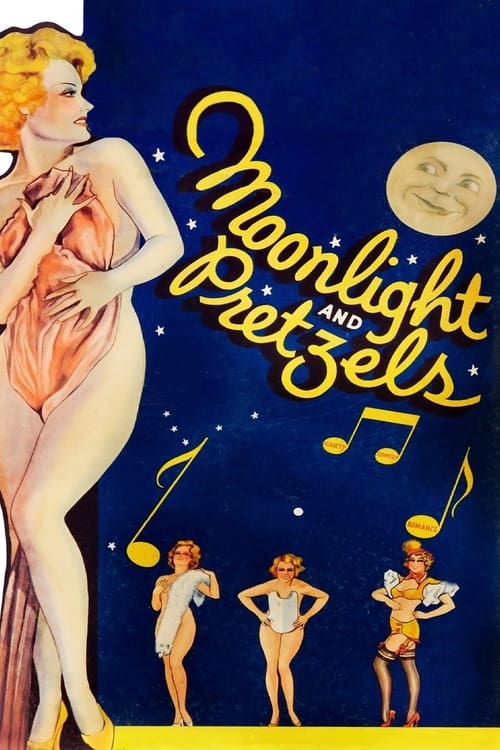
1933

1934
No reviews yet. Be the first to share your thoughts on this movie!
Use the rating form above to leave a star rating and optional review.