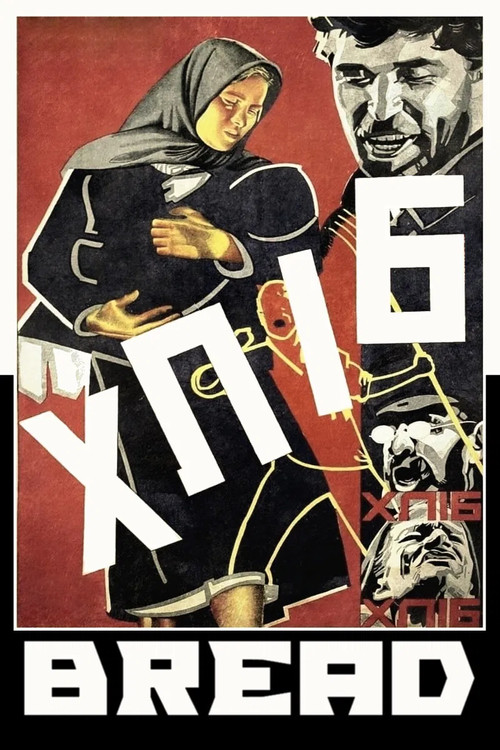
Bread
1929
No user ratings available yet
Representation score: 3.7 out of 10
Representation Score
Limited
1953
Director
Vsevolod Pudovkin
Runtime
82 minutes
Average Rating
No ratings yetNew Showbiz Analysis
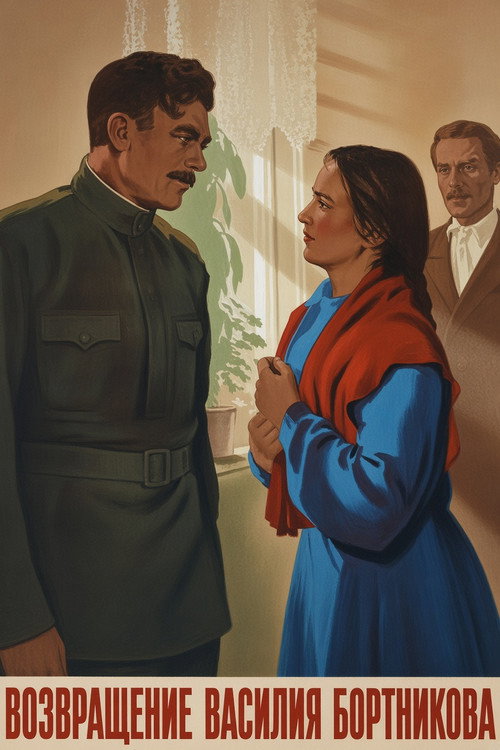
The film examines the tension between individual emotional trauma and the demands of a collective social structure. It challenges the 'returning hero' cliché by prioritizing the needs of the state-managed agricultural system over personal romantic issues. While the work lacks contemporary identity-based diversity, it provides a profound systemic critique of individualist morality. The narrative moves the protagonist from personal loss to reintegration into the collective farm. Ultimately, the film presents the stability of state institutions as the primary source of meaning, prioritizing the social unit over the nuclear family.
Category Breakdown
The film focuses on traditional heterosexual relationships such as marriage and domestic life. There are no queer narratives or non-cisgender identities represented in the story.
The story explores changing gender roles through a wife's decision to remarry. However, it may reinforce women's roles as key contributors to the state's workforce.
Set in a 1953 Soviet collective farm, the cast appears ethnically uniform. The story emphasizes class and social utility over racial or ethnic diversity.
The film highlights communal utility over Western individualism. It uses the protagonist's personal loss to underscore the importance of the collective agricultural unit.
There is no information about the portrayal of physical or neurodivergent disabilities in the provided narrative details.
Present on Screen
Limited or Absent
Official Synopsis
A veteran of World War II returns to civil life and the collective farm he once led, only to find his wife has re-married.
1929

1950
1958
1930
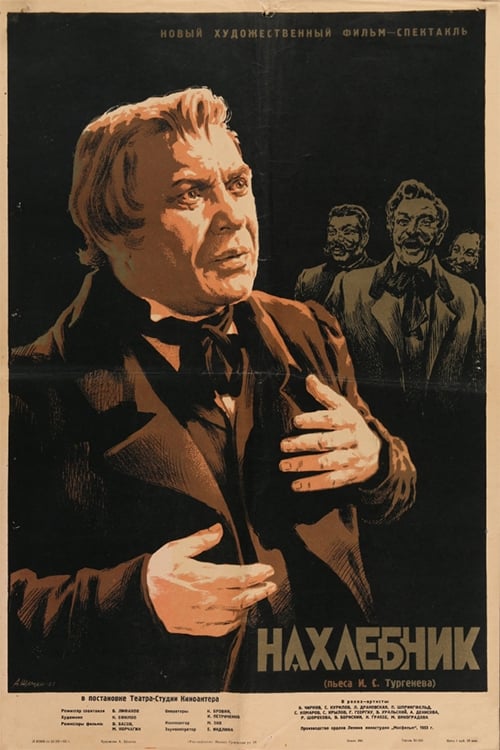
1953
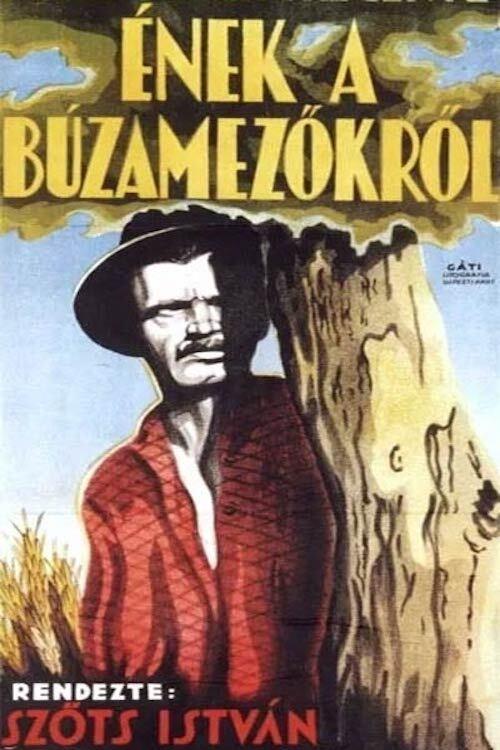
1947
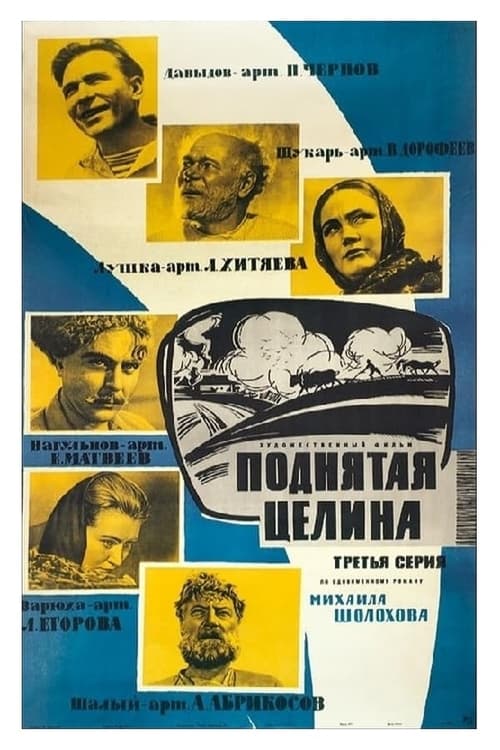
1959
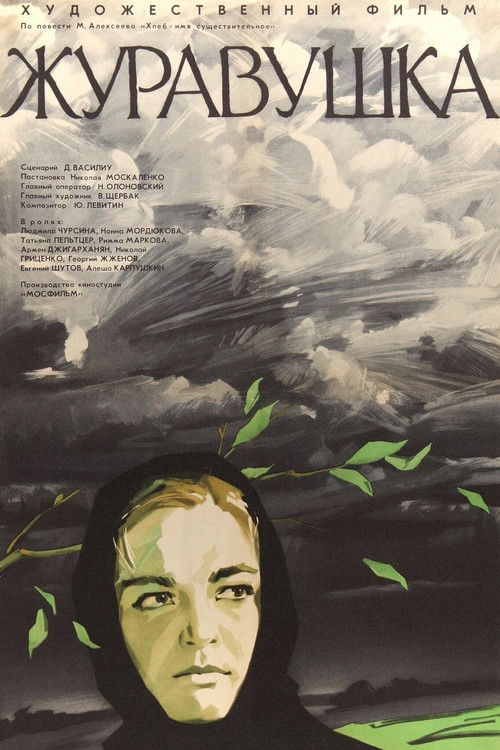
1969
No reviews yet. Be the first to share your thoughts on this movie!
Use the rating form above to leave a star rating and optional review.