Viper
1966
No user ratings available yet
Representation score: 5.4 out of 10
Representation Score
Fair
1964
Director
Vladimir Fetin
Runtime
95 minutes
Average Rating
No ratings yetNew Showbiz Analysis
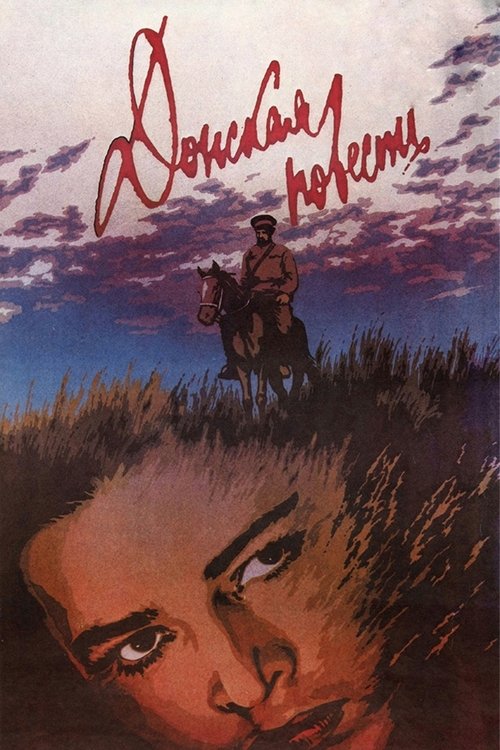
A Tale of Don is a period drama that prioritizes socio-political conflict over diverse representation. While it provides a nuanced exploration of the tension between individual loyalty and systemic revolutionary shifts, it operates within a limited demographic scope. The film excels in cultural depth by examining the deconstruction of traditional social structures during the Russian Civil War. However, it maintains a traditional focus on gender dynamics and lacks representation for LGBTQ+ identities or disability.
Category Breakdown
The film does not include any LGBTQ+ characters or narratives. The central conflict revolves around the relationship between a husband and wife.
The female protagonist holds significant political influence as a spy, challenging domestic stability. However, the narrative primarily focuses on the male protagonist's struggle to balance his revolutionary identity with his marriage.
The cast is ethnically uniform within its regional setting. Diversity is shown through class and political factions rather than multi-ethnic representation during the Don Cossack conflict.
The film delves deeply into the disruption of social structures and the dismantling of traditional societal norms. It emphasizes collective political movements and revolutionary ideology over traditional domestic sanctity and pre-revolutionary hierarchies.
There are no characters with visible or invisible disabilities in this production.
Present on Screen
Limited or Absent
Official Synopsis
Wife of the Red cossack Yakov Shibalok turns out to be a spy of the Whites, as she confesses to him during childbirth. Now Yakov is faced with a difficult choice between revolutionary duty and love for his wife. Based on short stories by Mikhail Sholokhov.
1966

1994
1966
1958
1976
1974
1954
1956
No reviews yet. Be the first to share your thoughts on this movie!
Use the rating form above to leave a star rating and optional review.