
The First Circle
1973
No user ratings available yet
Diversity score: 3.3 out of 10
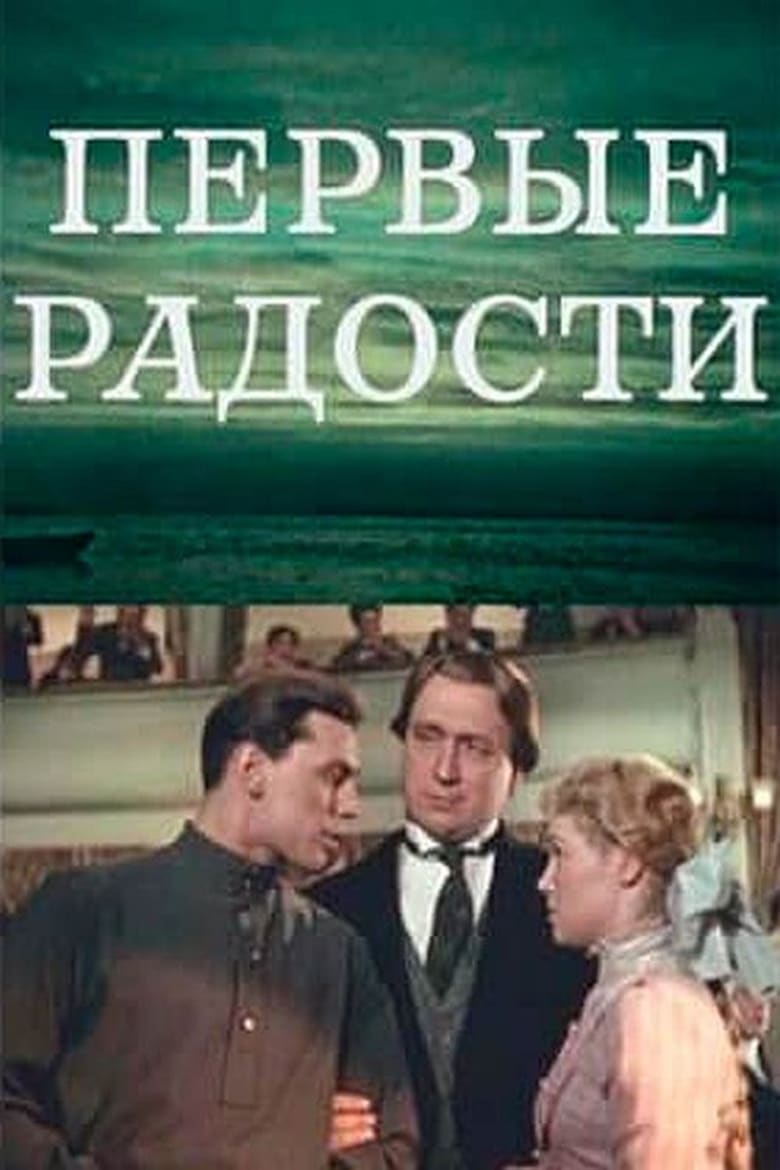
1956
Director
Vladimir Basov
Average Rating
No ratings yetSynopsis
Based on the novel of the same name by Konstantin Fedin. 1910. A small town in the Volga region. Kirill Izvekov, a student of a technical school, is only looking for his place in life, and revolutionary struggle is unfolding around him.
Overall Score
Fair
Category Breakdown
LGBTQ+ Representation
The film lacks any evidence of non-cisnormative gender identities or same-sex intimacy. It adheres to the traditional social structures of the early 20th century and the cinematic constraints of 1956.
Gender Representation
The narrative emphasizes male-driven political agency through the protagonist's journey. Female characters appear to be relegated to supportive or domestic roles within the revolutionary context.
Racial & Ethnic Diversity
While set in the diverse Volga region, the focus remains on class-based struggle. There is no indication of intentional multi-ethnic casting to disrupt the status quo.
Religious & Cultural Diversity
The film excels at critiquing established hierarchies and capitalism. It prioritizes collective identity and systemic change over individualist or traditionalist Western-style values.
Disability Representation
There is no evidence regarding the portrayal of physical or neurodivergent disabilities in the narrative.
Strengths
Areas for Improvement
AI Analysis
First Joys is a period drama centered on socio-political awakening in 1910 Russia. The film prioritizes the disruption of class hierarchies and the dismantling of oppressive social orders over the representation of individual identity-based marginalized groups. While the film lacks contemporary intersectional markers like LGBTQ+ or diverse racial casting, it offers a strong critique of traditional power structures. The narrative architecture frames personal growth as inseparable from systemic social upheaval. Ultimately, the work functions as a study of revolutionary momentum, replacing traditionalist stability with the collective movement of the era.
1973
1959
1934
1954

1994

1964

2005
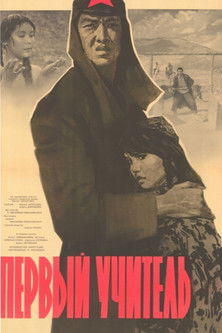
1965
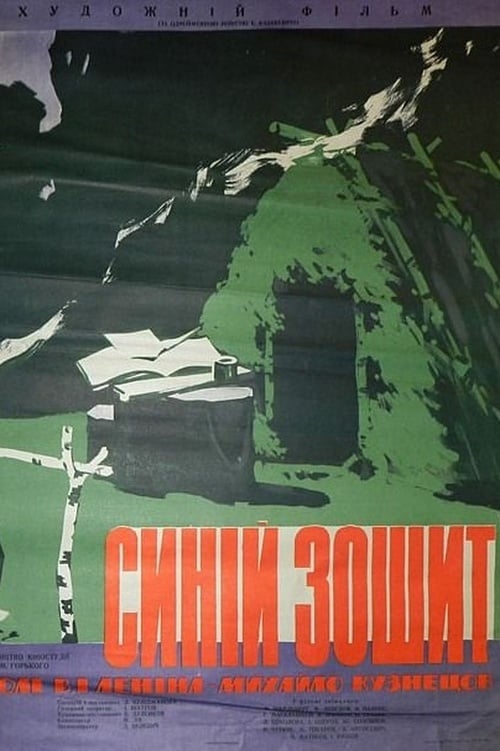
1963
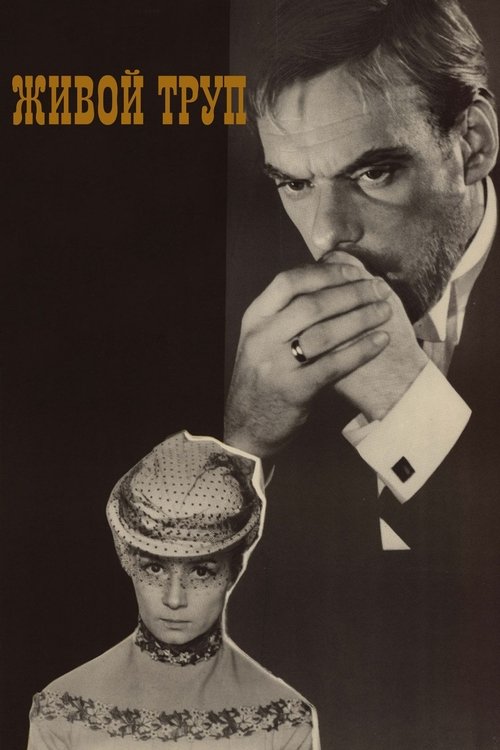
1969
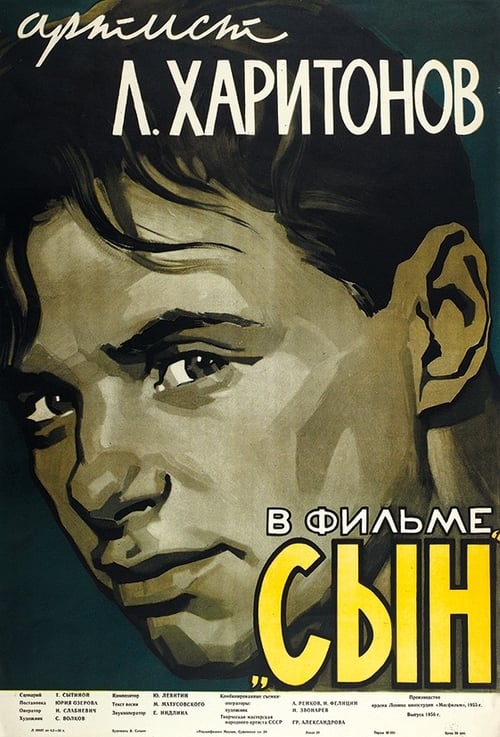
1955
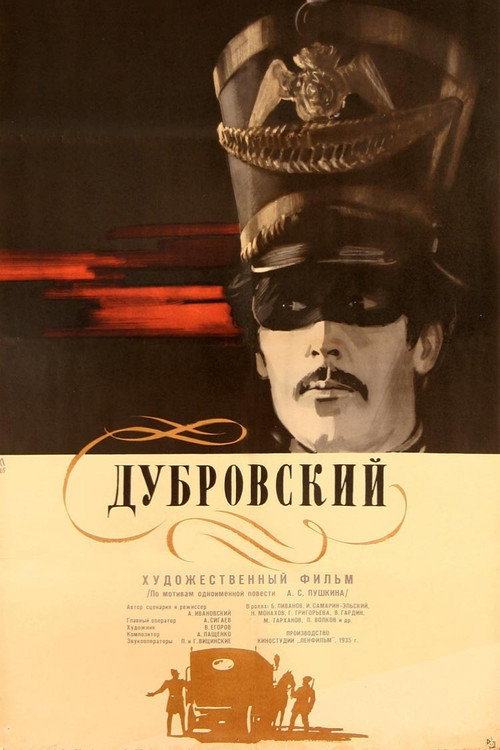
1936
No reviews yet. Be the first to share your thoughts on this movie!
Use the rating form above to leave a star rating and optional review.