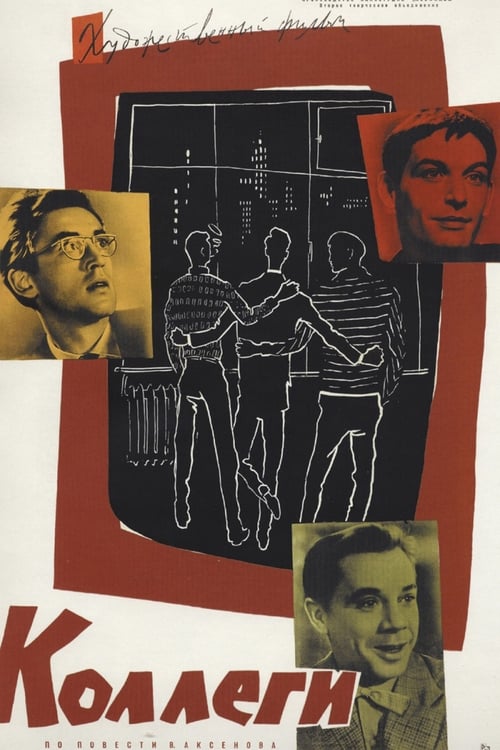
Collegues
1962
No user ratings available yet
Representation score: 2.1 out of 10
Representation Score
Fair
1965
Director
Marlen Khutsiyev
Runtime
165 minutes
Average Rating
No ratings yetNew Showbiz Analysis
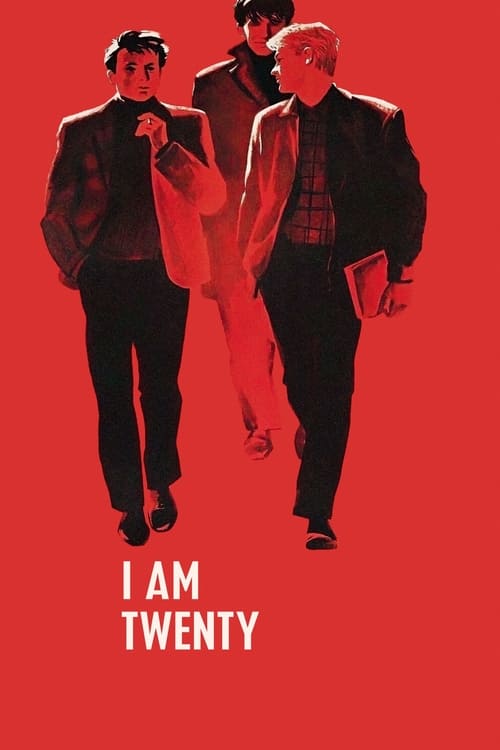
Marlen Khutsiyev’s work succeeds by dismantling the rigid, heroic archetypes of Socialist Realism. By replacing state-mandated perfection with psychological humanism, the film offers a nuanced look at the individual's internal struggle. While the film lacks diversity in terms of race and LGBTQ+ representation, it achieves progressive value through its narrative structure. It challenges institutional dogmatism by focusing on moral relativism and personal truth. Ultimately, the film's strength lies in its subversion of cultural norms, prioritizing the complex, vulnerable human experience over the monolithic collective identity.
Category Breakdown
The film centers on traditional romantic relationships and the emotional growth of its main character. It doesn't include non-traditional gender identities or stories that question the assumption that everyone is straight.
The story breaks down traditional male dominance by highlighting the emotional vulnerability of men. Female characters play important roles in both intellect and emotion throughout the narrative.
The cast mainly represents a homogeneous Soviet demographic typical of 1960s Moscow. Due to its specific historical and geographic context, the film lacks diverse racial representation.
The film questions the idealized citizen by focusing on personal morality and individual sadness. It emphasizes psychological realism over state-sanctioned or religious moral frameworks.
There are no prominent depictions of characters with visible or invisible disabilities. Characters are primarily defined by their socioeconomic status within the urban intelligentsia.
Present on Screen
Limited or Absent
Official Synopsis
Having returned from the army, 20-year-old Sergei settles down at the thermal power station and merges into ordinary life. Every day he meets and spends time with childhood friends — the young family man Slava and the merry fellow Nikolai, and once at first sight he falls in love with a stranger on the bus. A lyrical story about a generation of young people entering adulthood, a reappraisal of values, life principles, traditions in culture and art.
1962
1961
1958
1980
1967

1976
1969
1962
No reviews yet. Be the first to share your thoughts on this movie!
Use the rating form above to leave a star rating and optional review.