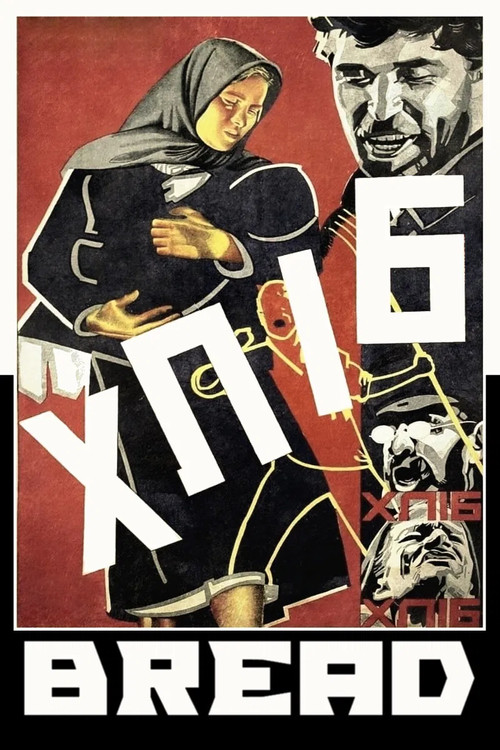
Bread
1929
No user ratings available yet
Representation score: 3.7 out of 10
Representation Score
Limited
1959
Director
Aleksandr Ivanov
Runtime
278 minutes
Average Rating
No ratings yetNew Showbiz Analysis
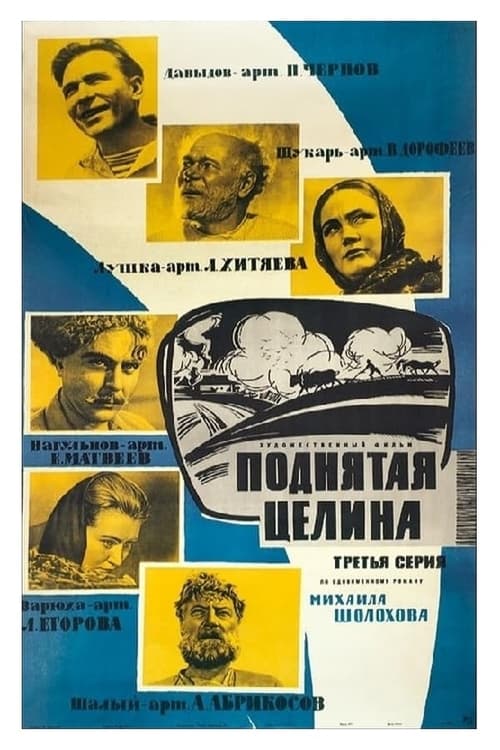
Virgin Soil Upturned is a historical drama centered on the systemic upheaval of collectivization in the 1930s Russian countryside. Its narrative strength lies in its ideological critique of Western-aligned economic models and individualist property ownership. However, the film lacks modern markers of diversity. It presents a culturally homogeneous population and adheres to the patriarchal social structures of its era, offering little representation for LGBTQ+ identities or diverse ethnic groups. Ultimately, the film functions as a study of systemic change rather than a showcase of social inclusivity, favoring collective evolution over individualist or traditionalist hierarchies.
Category Breakdown
The film does not include any LGBTQ+ characters or narratives that go beyond the assumption that everyone is straight or cisgender. It follows the strict social norms typical of 1950s Soviet cinema.
The narrative centers on patriarchal communal structures during the transition of the Russian countryside. While social hierarchies are disrupted, women play a secondary role to male leadership.
The setting depicts a culturally homogeneous Soviet rural population. It avoids racial stereotypes but does not show the multi-layered diversity found in more contemporary cinematic works.
The story strongly critiques individualist property ownership and traditional agrarian capitalism. It prioritizes collective identity over the old village hierarchies.
There is no discernible evidence regarding the portrayal of physical or neurodivergent disabilities within the film's narrative.
Present on Screen
Limited or Absent
Official Synopsis
The movie is based on the the same name novel of the Nobel Prize In Literature Winner Mikhail Sholokhov. The action is taken place in 20-30-s years of the XX century in the Russian countryside going through an uneasy process of collectivization.
1929

1930
1953
1978
1960
1973

1967
1940
No reviews yet. Be the first to share your thoughts on this movie!
Use the rating form above to leave a star rating and optional review.