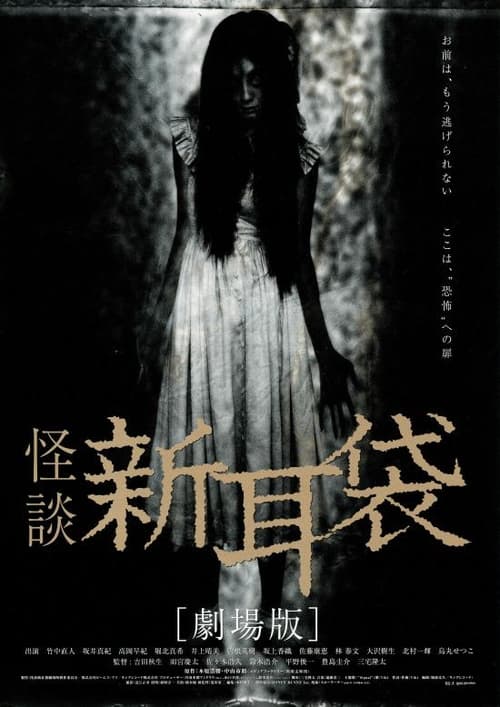
Tales of Terror from Tokyo and All Over Japan: The Movie
2004
No user ratings available yet
Representation score: 4.5 out of 10
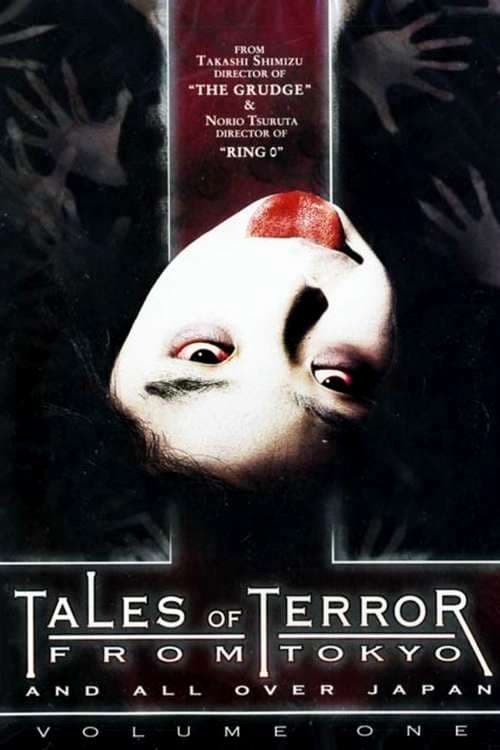
Representation Score
Fair
2003
Director
Akio Yoshida, Keisuke Toyoshima, Ryuta Miyake, Takashi Shimizu, Norio Tsuruta, Hirokatsu Kihara, Ichirô Nakayama
Runtime
70 minutes
Average Rating
No ratings yetNew Showbiz Analysis
This anthology leans heavily into the established conventions of early 2000s J-Horror. Featuring genre masters like Takashi Shimizu, the narrative prioritizes atmospheric dread over social representation. The film is deeply rooted in localized Japanese folklore, resulting in a homogeneous cast and setting. Representation across identity-based categories is minimal. Gender roles often follow traditional horror clichés, and there is no significant focus on LGBTQ+ identities or neurodivergent empowerment.
Category Breakdown
The film does not include any explicit LGBTQ+ characters or stories. It focuses on traditional supernatural themes rather than exploring non-straight relationships.
Female actors play prominent roles, but the narrative often relies on traditional vulnerability clichés. There is little evidence of challenging gender hierarchies.
The cast and setting are culturally homogeneous. The film focuses on localized Japanese folklore and urban legends without diverse casting.
The story explores spiritual dread and unresolved trauma through ghosts. It avoids moral resolutions, favoring a fatalistic and morally ambiguous framework.
Characters with disabilities serve as thematic devices for tension. They lack ability to act and primarily function as supernatural conduits.
Present on Screen
Limited or Absent
Official Synopsis
"Shin Mimibukuro," which has greatly influenced numerous Japanese horror works such as "Ring" and "Ju-on," is finally being fully adapted into a complete visual format for the first time. The directors include Takashi Shimizu of "Ju-on," Hideo Nakata of "Ring 0," actor Shiro Sano, and Akio Yoshida, the veteran of TBS dramas such as "Kamaitachi no Yoru," all of whom are distinguished talents in the horror world. The cast is also spectacular, featuring a diverse array of talents such as Rina Uchiyama, Kaoru Okunuki, Nao Omori, Mako Ishino, Hitomi Miwa, Riko Kurita, Nobuto Okamoto, and Ikkei Watanabe.
2004
1960
2004

1965
2019
2016
2019
2019
No reviews yet. Be the first to share your thoughts on this movie!
Use the rating form above to leave a star rating and optional review.