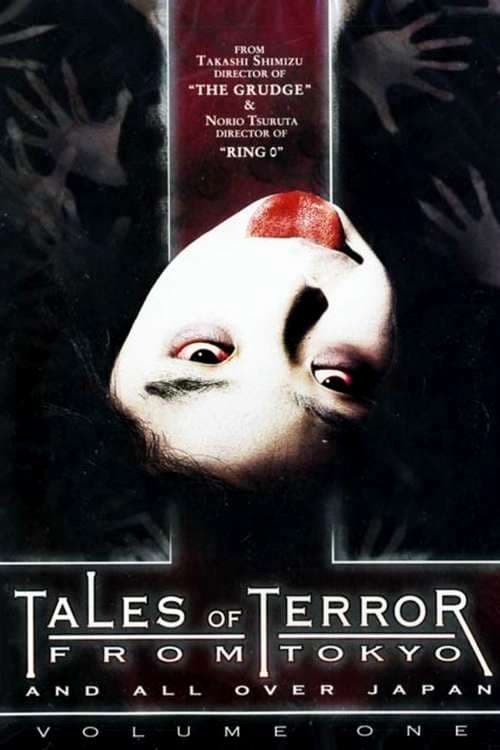
Tales of Terror from Tokyo and All Over Japan Volume 1
2003
No user ratings available yet
Diversity score: 3.6 out of 10

2004
Director
Keita Amemiya, Shunichi Hirano, Ryuta Miyake, Hirohisa Sasaki, Keisuke Toyoshima, Akio Yoshida, Kosuke Suzuki
Runtime
92 minutes
Average Rating
No ratings yetSynopsis
8 short stories comprise this anthology movie, based on the Tales of Terror TV series. The segments are, in order: The Night Watchman (directed by Akio Yoshida), Wisps of Smoke (Kosuke Suzuki), Gloves (Hirohisa Sasaki), The Weight (Kosuke Suzuki), Full-Length Mirror (Ryuta Miyake), Line of Sight (Keisuke Toyoshima), The Promise (Keita Amemiya) and Hisao (Shun'ichi Hirano).
Overall Score
Limited
Category Breakdown
LGBTQ+ Representation
The film lacks LGBTQ+ characters or narratives. The segments focus on traditional supernatural encounters within standard social structures.
Gender Representation
The anthology adheres to conventional horror tropes. It does not significantly subvert traditional gender hierarchies or deconstruct gendered social roles.
Racial & Ethnic Diversity
The cast is predominantly homogeneous, reflecting its Japanese production. The stories are deeply rooted in a specific cultural context and local mythos.
Religious & Cultural Diversity
The film excels in depicting non-secular spirituality and folklore. It prioritizes spiritualism and moral relativism over Western secularism.
Disability Representation
There is no evidence of characters with disabilities being afforded agency. Physical or mental distress is used primarily for atmospheric tension.
Strengths
Areas for Improvement
AI Analysis
This anthology horror film functions as a traditional genre piece. It relies on established cultural traditions and folklore to evoke fear rather than social subversion. The film's primary strength is its cultural specificity and engagement with non-Western spiritual frameworks. It presents ghosts as victims of past traumas rather than purely evil entities. However, the work lacks intentionality regarding intersectional representation. It does not seek to disrupt traditional social hierarchies or provide diverse identity-based narratives.
2003
2004

2005
2014
2022
2022
1989
2012

2012
2015
2006
2002
No reviews yet. Be the first to share your thoughts on this movie!
Use the rating form above to leave a star rating and optional review.