
The Inerasable
2016
No user ratings available yet
Representation score: 4.9 out of 10
Representation Score
Fair
2013
Not RatedDirector
Hideo Nakata
Runtime
106 minutes
Average Rating
No ratings yetNew Showbiz Analysis
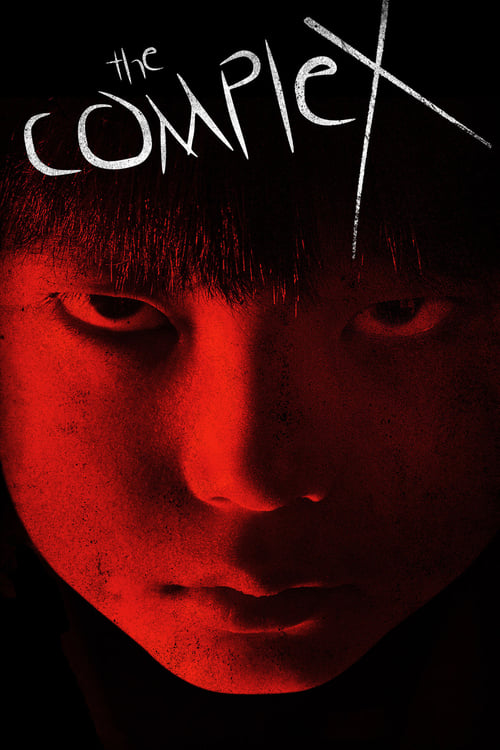
The Complex is a genre-focused J-Horror film that emphasizes atmospheric tension over social commentary. Its narrative structure relies on well-established conventions, focusing on suspense and supernatural clichés rather than overlapping identity issues. While the film offers a female protagonist with a proactive role, it does not challenge traditional gender roles. Characters primarily serve the needs of the horror genre, maintaining a conventional, non-challenging approach to representation. Overall, the film operates within a culturally specific, homogeneous framework. It lacks significant engagement with LGBTQ+ identities, racial diversity, or nuanced portrayals of disability, resulting in a score reflective of traditional genre storytelling.
Category Breakdown
The film does not include any LGBTQ+ characters or stories about non-assuming gender matches what was assigned at birth identities. It focuses on a traditional nuclear family and the immediate neighborhood.
Asuka, a nursing student, demonstrates strong female presence by investigating her neighbor's death. However, she follows traditional horror character types, emphasizing vulnerability.
The cast is ethnically uniform, reflecting a culturally specific setting without emphasis on racial diversity or varied casting.
The story delves into urban isolation and community breakdown. It adheres to traditional supernatural horror themes without challenging Western institutions or promoting specific social critiques.
The frail, malnourished neighbor serves primarily as a plot device, rather than a detailed exploration of disability.
Present on Screen
Limited or Absent
Official Synopsis
Nursing student Asuka has just moved into an apartment complex with her parents and younger brother. On the first night in her new room, she is awoken by a strange scratching sound coming from the apartment of her neighbor, a reclusive old man who has refused all attempts at communication. Concerned over his well being, Asuka enters his home only to find him dead from malnutrition. Worse, it looks as if he had been trying to claw his way into her room. Asuka learns that there have been a number of strange deaths in the complex over the years from Shinobu, the handyman cleaning up the old man’s apartment. Even the girls at school whisper rumors of it being haunted.
2016
2000
2005
2002
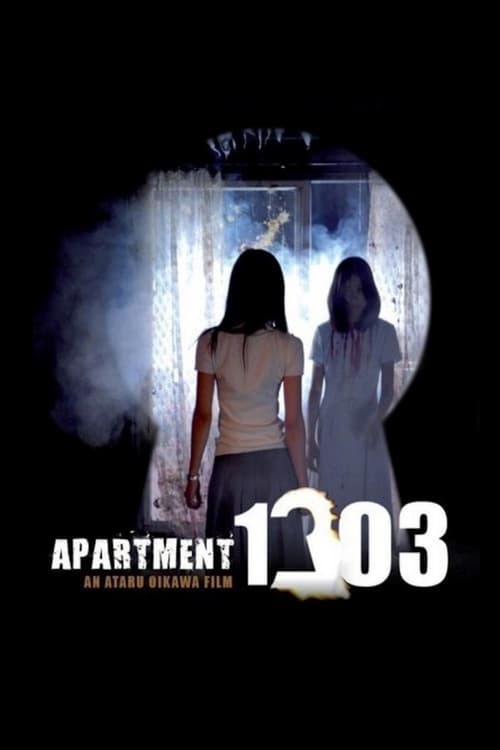
2007
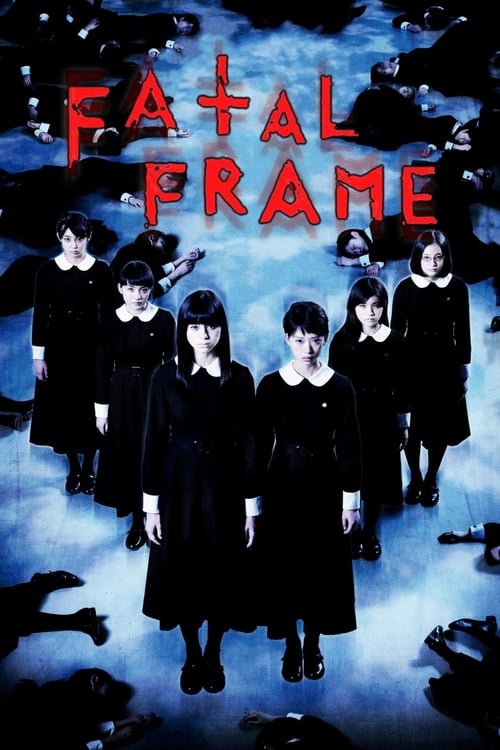
2014
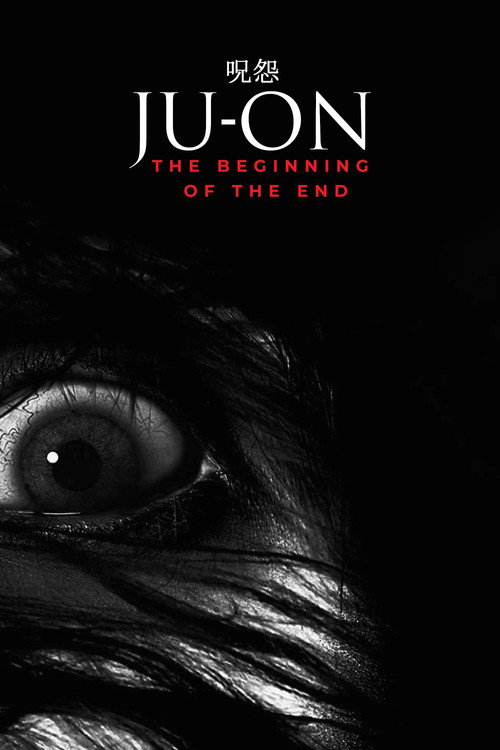
2014
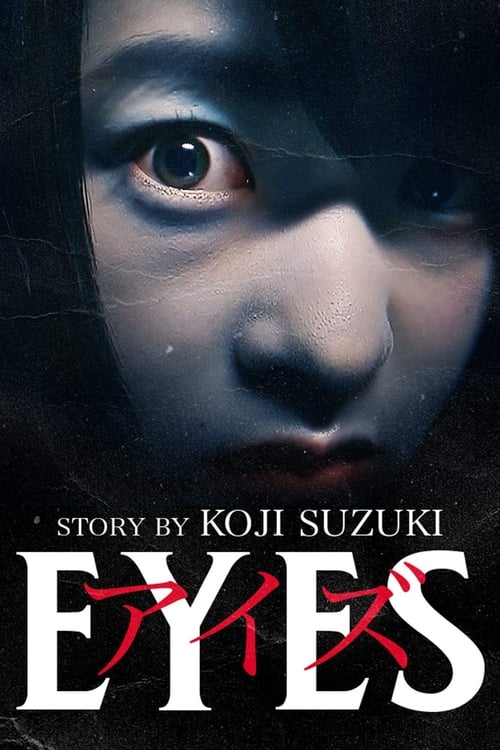
2015
No reviews yet. Be the first to share your thoughts on this movie!
Use the rating form above to leave a star rating and optional review.