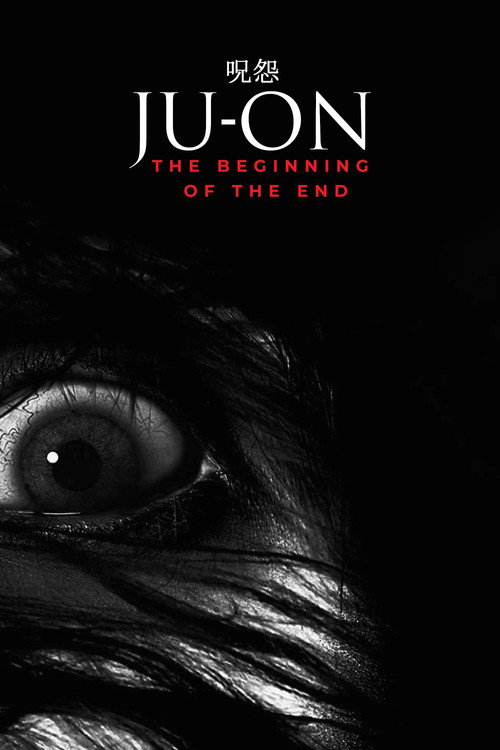
Ju-on: The Beginning of the End
2014
No user ratings available yet
Representation score: 3.4 out of 10

Representation Score
Fair
1999
Director
Shunichi Nagasaki
Runtime
100 minutes
Average Rating
No ratings yetNew Showbiz Analysis
Shikoku functions as a traditional J-Horror piece that prioritizes atmospheric tension and local folklore over social deconstruction. The story is built around individual trauma and familial duty within a very specific, homogeneous cultural framework. While the film offers a female-centric perspective, it does so through established genre clichés rather than challenging gender hierarchies. The focus remains on psychological distress and supernatural elements rather than diverse identities. Ultimately, the film adheres to the cinematic conventions of its era, providing a localized experience that reflects its specific geographic and demographic setting without attempting to challenge broader social norms.
Category Breakdown
The film does not include any explicit LGBTQ+ characters or storylines. It focuses on maternal bonds and childhood friendships within conventional social structures.
The film centers on female experiences, particularly through the protagonist and a grieving mother. However, these roles rely on traditional emotional archetypes commonly found in psychological horror.
Set in rural Shikoku, the cast and setting are ethnically homogeneous. The film reflects the specific demographic reality of its Japanese regional context.
Traditional Japanese spiritual practices, including seances and exorcisms, drive the plot. These elements function as genre devices rather than critiques of religious or institutional norms.
Mental health is portrayed through a mother's grief-induced instability. This depiction risks using the 'madwoman' cliché to fuel supernatural tension.
Present on Screen
Limited or Absent
Official Synopsis
Years after moving to Tokyo with her parents, Hinako returns to her hometown in rural Shikoku. She soon learns that her childhood friend, Sayori, died several years ago and that Sayori's mother, who used to perform seances and exorcisms, has gone almost insane with grief. After seeing Sayori's ghost several times during the night, Hinako consults with some local experts on the paranormal and discovers that Sayori's mother has something planned for her daughter...
2014
2000
2001
2003
1989
2015
2019
2009
No reviews yet. Be the first to share your thoughts on this movie!
Use the rating form above to leave a star rating and optional review.