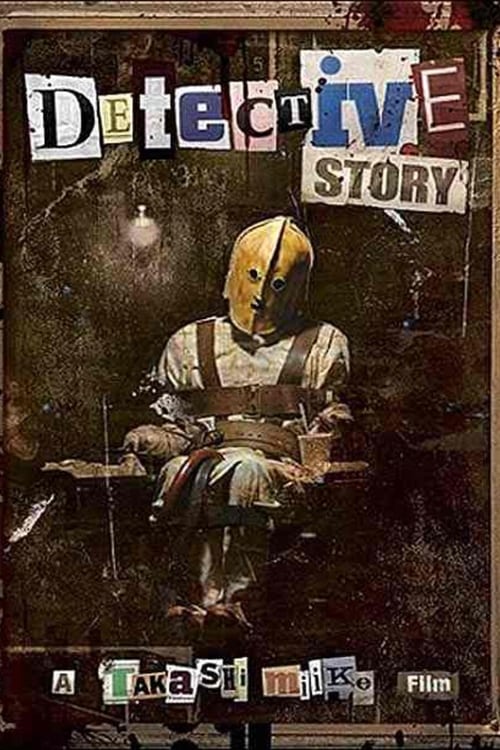
Detective Story
2007
No user ratings available yet
Diversity score: 4.1 out of 10
2014
Not RatedDirector
Takashi Miike
Runtime
111 minutes
Average Rating
No ratings yetSynopsis
An actor named Kosuke plays the role of Iemon in a stage version of Yotsuya Kaiden and his new lover Miyuki plays Oiwa. However, as they delve deeper into their respective performances, the line between fantasy and reality becomes obscured until the murderous, vengeful themes of the play bleed into their own relationship.
Overall Score
Fair
Category Breakdown
LGBTQ+ Representation
The narrative centers on a heteronormative romantic pairing between Kosuke and Miyuki. It lacks explicit LGBTQ+ characters or storylines that critique traditional heteronormativity.
Gender Representation
Miyuki’s portrayal of Oiwa subverts the passive victim trope by exerting psychological dominance. The film shifts power away from masculine stability to center female agency.
Racial & Ethnic Diversity
The film features a largely homogeneous cast within a contemporary Japanese setting. It focuses on culturally specific folklore rather than multicultural or intersectional identities.
Religious & Cultural Diversity
The story deconstructs traditional morality by presenting a cycle of trauma rather than a simple battle between good and evil. It prioritizes subjective spiritual realities.
Disability Representation
Protagonists experience profound mental distress and a fracturing of reality. These elements serve as genre-driven horror devices rather than nuanced portrayals of neurodivergence.
Strengths
Areas for Improvement
AI Analysis
Takashi Miike’s horror film offers a sophisticated look at power dynamics and moral ambiguity, even as it remains demographically narrow. The film excels at subverting gendered archetypes, transforming the female lead from a damsel into a destabilizing psychological force. However, the work lacks breadth in its representation of identity. It operates within a homogeneous Japanese cultural framework and does not engage with LGBTQ+ narratives or diverse ethnic identities. The exploration of mental instability remains tied to supernatural horror tropes rather than meaningful disability representation. Ultimately, the film is a culturally specific study of vengeance and trauma. It trades demographic variety for a deep, intellectual engagement with the subversion of classical character roles and traditional justice.
2007

2005
2014

2023
2004

2002
2002
1987

1979

2006
1989

2001
No reviews yet. Be the first to share your thoughts on this movie!
Use the rating form above to leave a star rating and optional review.