Tomio
2011
No user ratings available yet
Representation score: 3.8 out of 10
Representation Score
Fair
2011
TV-MADirector
Hajime Ohata
Runtime
54 minutes
Average Rating
No ratings yetNew Showbiz Analysis
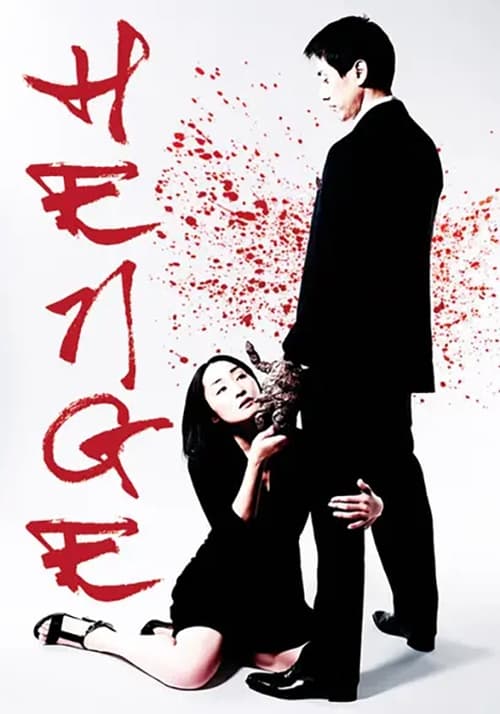
Henge is a genre-focused horror film that prioritizes psychological dread over social commentary. While it avoids some mainstream clichés by dismantling the idea of the stable male lead, it remains tethered to traditional domestic structures. The film's approach to diversity is largely incidental to its horror mechanics. Characters are defined by their roles within a standard nuclear family or their physiological descent into madness, rather than by multiple aspects of their identity. Ultimately, the narrative lacks the intentional demographic subversion needed to challenge broader societal hierarchies, functioning instead as a culturally specific study of domestic breakdown.
Category Breakdown
The story centers on a traditional heterosexual marriage between Yoshiaki and Keiko. There are no visible queer romantic dynamics or non-conforming gender identities present in the narrative.
Keiko demonstrates proactive ability to act by seeking medical help and investigating her husband's actions. The film challenges the typical male lead by showing Yoshiaki's loss of bodily autonomy and mental stability.
The film features a homogeneous Japanese cast and setting. It operates within a singular ethnic framework without incorporating multicultural casting or diverse demographic blending.
The plot focuses on the breakdown of domestic stability and psychological instability. It lacks specific religious themes or broader anti-Western or anti-capitalist sentiments.
Yoshiaki's jerking movements and physical transformations mirror neurodivergence or chronic disability. However, these symptoms function primarily as horror devices to drive suspicion and plot tension.
Present on Screen
Limited or Absent
Official Synopsis
A young couple's lives take a turn for the worse after a mysterious attack on the husband leaves him suffering from some bizarre after effects.
2011
2000
2007
2003
1989
2011
2014
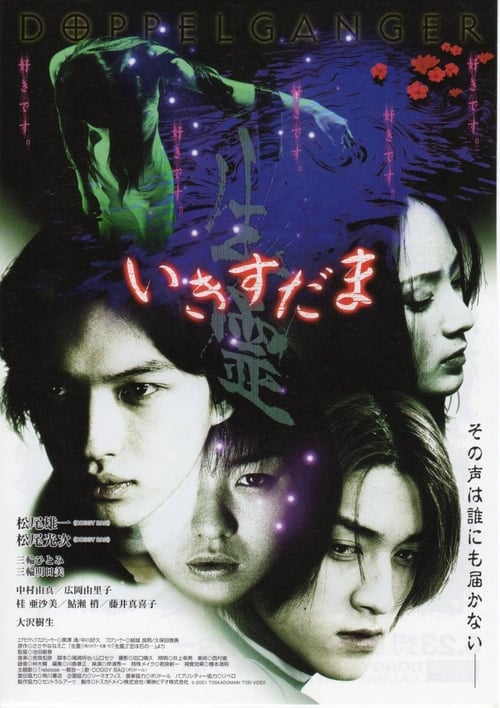
2001
No reviews yet. Be the first to share your thoughts on this movie!
Use the rating form above to leave a star rating and optional review.