Frankenstein
1910
No user ratings available yet
Representation score: 1.7 out of 10
Representation Score
Minimal
1942
ApprovedDirector
Erle C. Kenton
Runtime
68 minutes
Average Rating
No ratings yetNew Showbiz Analysis
The film reflects the social norms of the 1940s, relying on genre clichés and traditional archetypes to create its horror narrative. It emphasizes male control and female passivity, and lacks racial or cultural diversity. The story upholds conventional moral standards without questioning broader societal norms.
Category Breakdown
The film follows the heterosexual and cisgender norms of the 1940s. There are no representations of LGBTQ+ identities or same-sex relationships.
Male scientists and antagonists have the most narrative influence. Female characters are mostly passive and serve as decorative or reactive figures.
The cast is made up of a homogeneous white European group. The film does not include characters from diverse racial or ethnic backgrounds.
The story is a traditional morality tale focused on scientific arrogance. It upholds Western moral standards without challenging broader societal norms.
The Monster's unusual biology is used primarily as a horror element. The film does not explore the Monster's personhood or ability to act in a nuanced way.
Present on Screen
Limited or Absent
Official Synopsis
Frankenstein's unscrupulous colleague, Dr. Bohmer, plans to transplant Ygor's brain so he can rule the world using the monster's body, but the plan goes sour when he turns malevolent and goes on a rampage.
1910
1939
1945

1958

1944
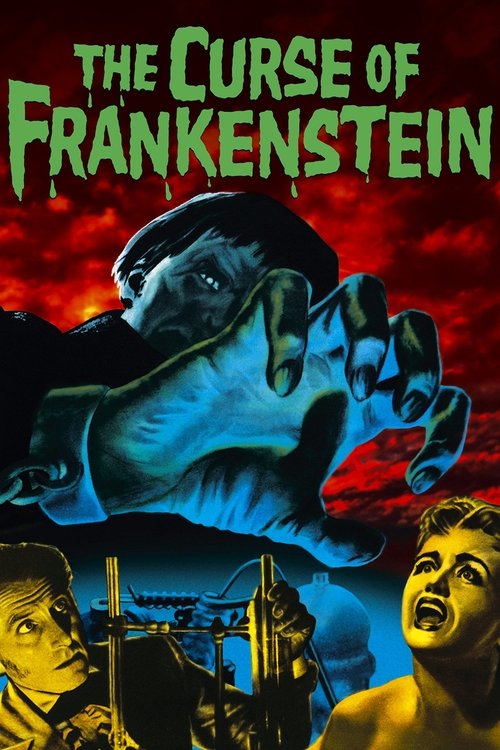
1957
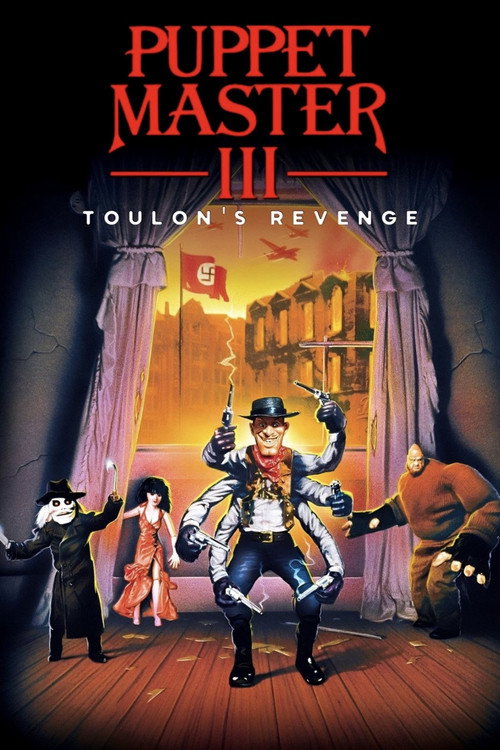
1992
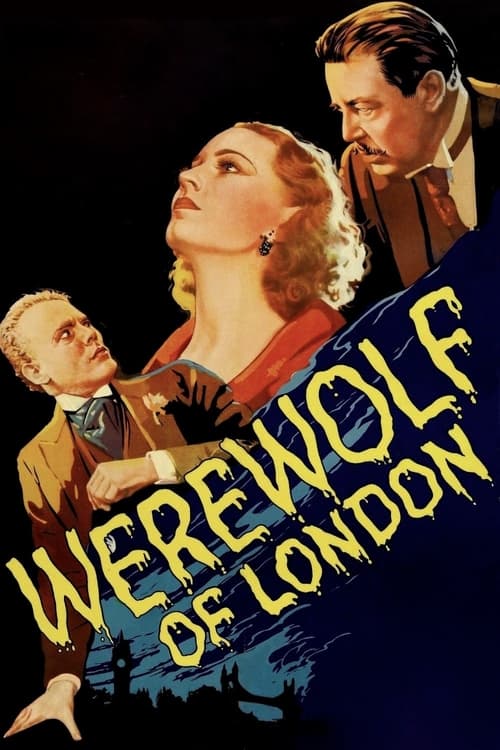
1935
No reviews yet. Be the first to share your thoughts on this movie!
Use the rating form above to leave a star rating and optional review.