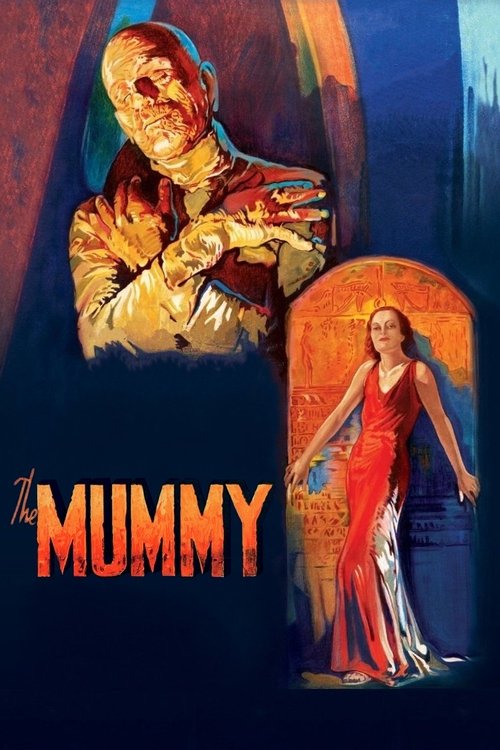
The Mummy
1932
No user ratings available yet
Representation score: 1.2 out of 10
Representation Score
Fair
1972
PGDirector
William Crain
Runtime
93 minutes
Average Rating
No ratings yetNew Showbiz Analysis
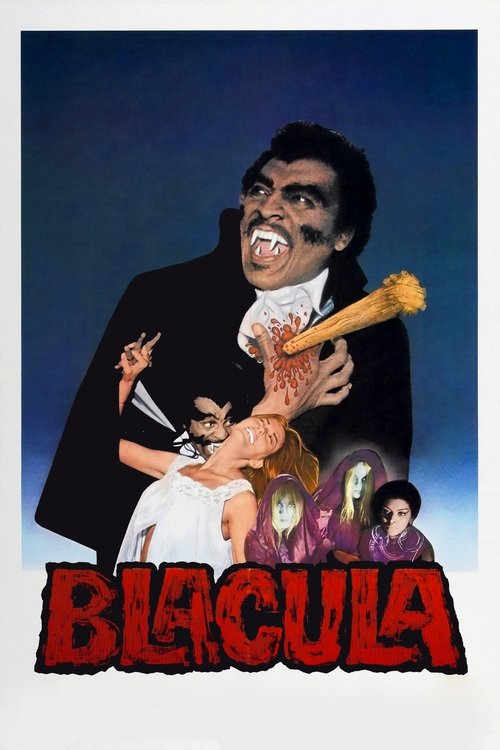
Blacula stands out as a bold shift from the traditional European Gothic horror, placing a Black prince at the center of the vampire myth. By substituting the usual white aristocrat with an African prince, the film challenges established cinematic norms and delves into themes of diaspora and displacement. Despite this progressive racial perspective, the film maintains traditional gender dynamics. Female characters tend to serve as catalysts for the male protagonists' journeys rather than having independent roles. While Blacula lacks LGBTQ+ representation and nuanced disability themes, its innovative approach to racial diversity marks it as a historically significant work of genre subversion.
Category Breakdown
The film does not include any identifiable LGBTQ+ characters or non-straight relationships. The romantic storyline centers around the protagonist's bond with his deceased wife, emphasizing traditional heterosexual relationships.
The story focuses mainly on the male experience, particularly the protagonist's personal journey and scientific endeavors. Female characters such as Tina and Luva play supporting roles, often revolving around the male protagonists.
This groundbreaking film breaks away from white-dominated vampire lore by featuring an African prince as the central character. The entire main cast is Black, challenging the typical Eurocentric portrayal of vampires.
The film examines the protagonist's struggles through the lens of historical and systemic displacement. It subtly critiques societal structures by placing a Black protagonist in a contemporary urban setting.
Vampirism is portrayed as a supernatural condition rather than a nuanced exploration of disability. The film treats physical changes as a genre convention rather than a realistic depiction of disability.
Present on Screen
Limited or Absent
Official Synopsis
An 18th century African prince is turned into a vampire while visiting Transylvania. Two centuries later, he rises from his coffin attacking various residents of Los Angeles and meets Tina, a woman who he believes is the reincarnation of his deceased wife.
1932
1935
1963
1936
2005
1970
1973
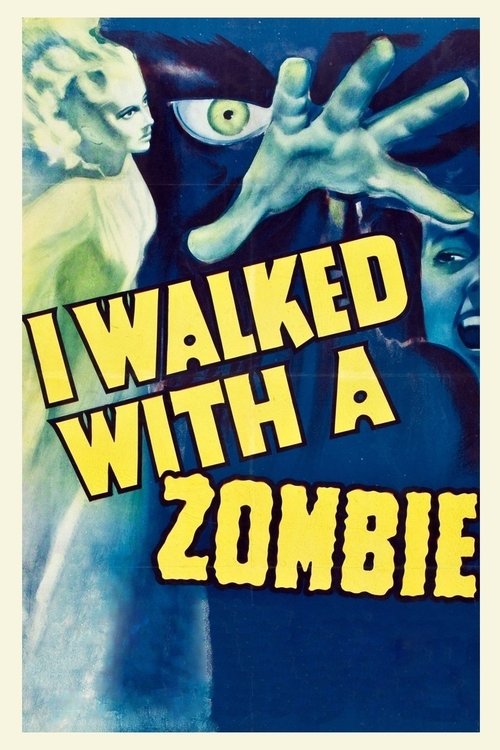
1943
No reviews yet. Be the first to share your thoughts on this movie!
Use the rating form above to leave a star rating and optional review.