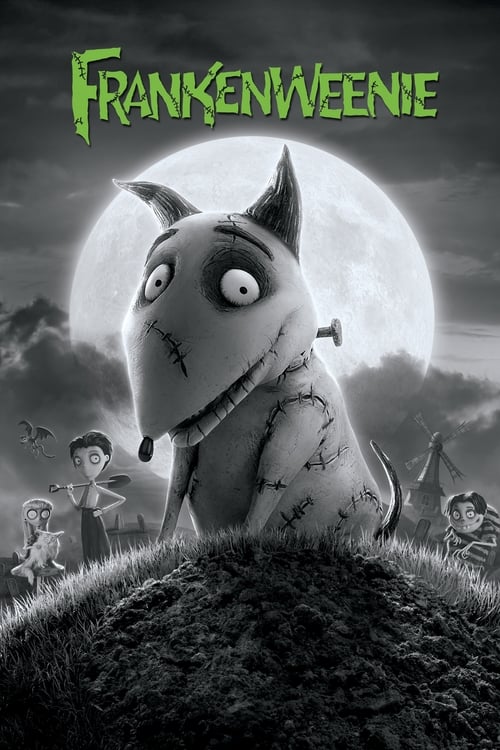
Frankenweenie
2012
No user ratings available yet
Representation score: 4.2 out of 10

Representation Score
Limited
1984
PGDirector
Tim Burton
Runtime
30 minutes
Average Rating
No ratings yetNew Showbiz Analysis
Frankenweenie prioritizes gothic atmosphere and themes of grief over demographic inclusion. The narrative architecture focuses on the outsider archetype and the tension between eccentricity and social conformity. While the film explores the idea of the 'othered' body through Sparky's reanimated form, it does not engage with characters who reflect more than one aspect of diversity or dismantle systemic hierarchies. The storytelling relies on traditional clichés and a singular focus on the protagonist's personal scientific journey. Ultimately, the film's narrow scope and homogeneous setting result in a low diversity score, as it favors character-driven sentimentality and stylistic homage over progressive representation.
Category Breakdown
The film does not depict any non-binary or LGBTQ+ identities. It focuses solely on a traditional family dynamic centered around a child and his pet.
The story centers on a young male protagonist named Victor, following a traditional gendered structure. It lacks female characters with significant roles or any subversion of established gender hierarchies.
The monochromatic suburban setting lacks explicit racial or ethnic identifiers. The cast reflects a homogeneous Western archetype without intentional efforts to represent a diverse demographic spectrum.
The narrative explores the tension between scientific curiosity and community reaction. It focuses on the bond between a boy and his pet rather than critiquing systemic institutions.
The film uses the 'monster' cliché to explore the concept of the 'othered' body. While it challenges fears of physical difference, it focuses more on the uncanny than on nuanced disability.
Present on Screen
Limited or Absent
Official Synopsis
When young Victor's pet dog Sparky (who stars in Victor's homemade monster movies) is hit by a car, Victor decides to bring him back to life the only way he knows how. But when the bolt-necked "monster" wreaks havoc and terror in the hearts of Victor's neighbors, he has to convince them (and his parents) that despite his appearance, Sparky's still the good loyal friend he's always been.
2012
1977

2019
1987
2006
1995

1994

1985
No reviews yet. Be the first to share your thoughts on this movie!
Use the rating form above to leave a star rating and optional review.