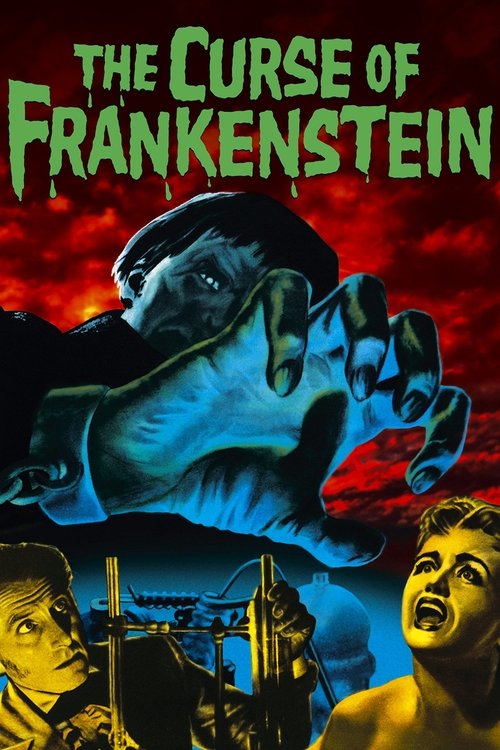
The Curse of Frankenstein
1957
No user ratings available yet
Representation score: 2.3 out of 10

Representation Score
Limited
1958
ApprovedDirector
Terence Fisher
Runtime
90 minutes
Average Rating
No ratings yetNew Showbiz Analysis
The film is a classic example of its time, emphasizing Gothic horror clichés and traditional social order. It does not offer diverse casting or characters who reflect more than one aspect of diversity, sticking closely to the mid-century Hammer Horror style. However, the story provides a sophisticated look at traditional authority by framing the Baron's scientific pursuits as a disruption of religious and moral norms. This offers a layered exploration of secularism versus institutional sanctity. Ultimately, while the film does not meet modern standards of inclusivity, its focus on challenging established moral boundaries adds intellectual depth beyond its limited social representation.
Category Breakdown
The film follows strict assumptions about straight relationships and gender matching assigned at birth. It does not show any non-straight or non-binary identities or intimate relationships between people of the same gender.
Female characters mainly appear as love interests or plot triggers. Power remains mostly with male characters like the Baron and his helpers.
The cast is made up of actors from similar backgrounds, reflecting the production standards of the time. The story focuses on a European perspective without diverse ethnicities.
The film examines moral flexibility by contrasting scientific thinking with religious rules. The Baron's quest for knowledge challenges established social norms.
Fritz is shown as a dwarf, fitting a typical genre role. His portrayal does not explore deeper issues of personal control or neurodiversity.
Present on Screen
Limited or Absent
Official Synopsis
Rescued from the guillotine by his devoted dwarf Fritz, the Baron relocates to Carlsbruck, where he continues his gruesome experiments.
1957
1967
1939
1969

1962
1932
1959
1958
No reviews yet. Be the first to share your thoughts on this movie!
Use the rating form above to leave a star rating and optional review.